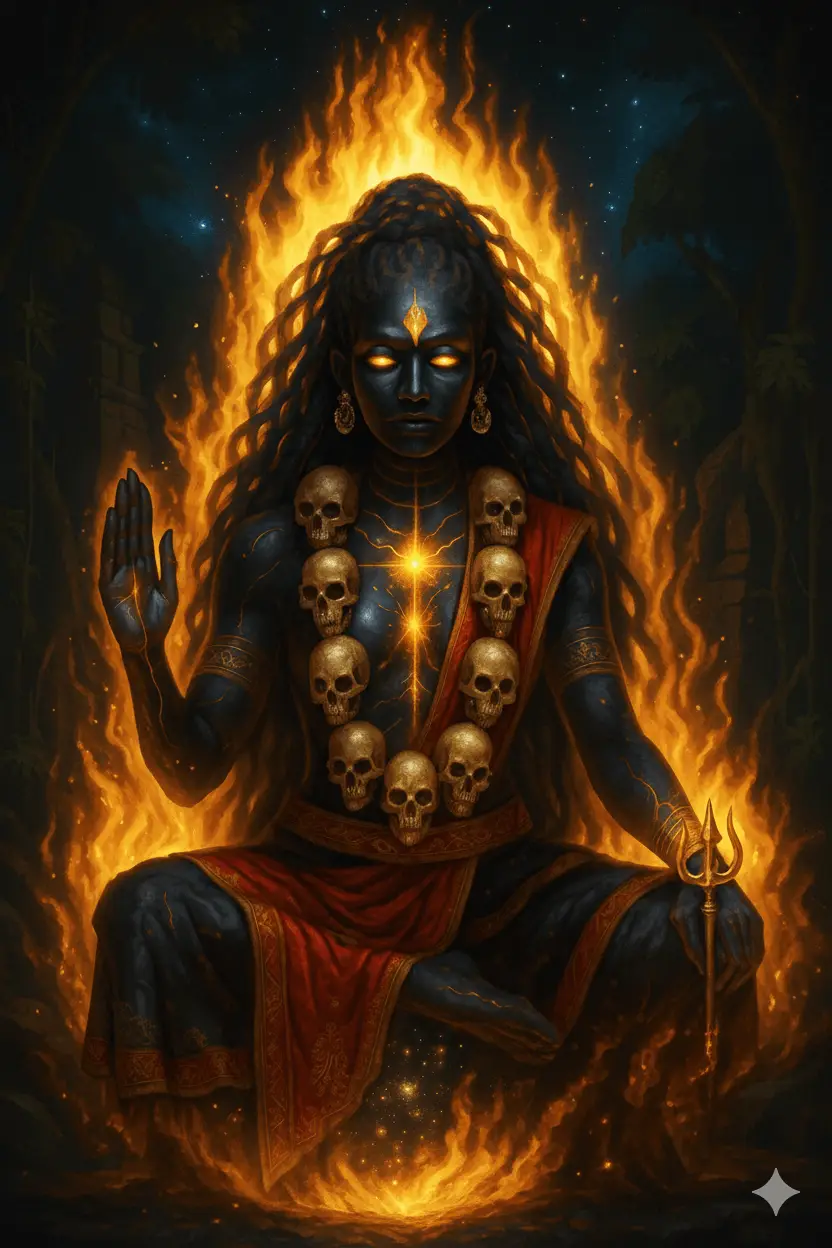


Let's be honest about something that's been bothering me for years: the way we talk about "decolonizing tantra" in Western spiritual circles has become another form of spiritual bypassing.
I keep hearing practitioners and teachers say things like "I honor the ancient Indian origins of tantra" or "I acknowledge this practice comes from Sanskrit traditions": as if that's enough. As if a quick nod to history somehow cleans up centuries of extraction, misrepresentation, and spiritual colonialism.
But here's the uncomfortable truth: real decolonization of tantric practice isn't about adding a disclaimer to your workshop description. It's about fundamentally dismantling the Western frameworks that have turned sacred liberation practices into consumer products.
The Problem with Spiritual Window Dressing
Most of what passes for "decolonizing tantra" in Western wellness spaces is essentially spiritual window dressing. It's putting a land acknowledgment on your retreat flyer while still teaching practices that have been stripped of their original context and repackaged for Western consumption.
This surface-level approach misses the deeper issue entirely. We're not just dealing with cultural appropriation: we're dealing with paradigmatic colonization. The entire way Western culture approaches spirituality is rooted in colonial frameworks: hierarchy, individualism, ownership of knowledge, and the belief that practices can be extracted from their cultural soil without losing their essence.
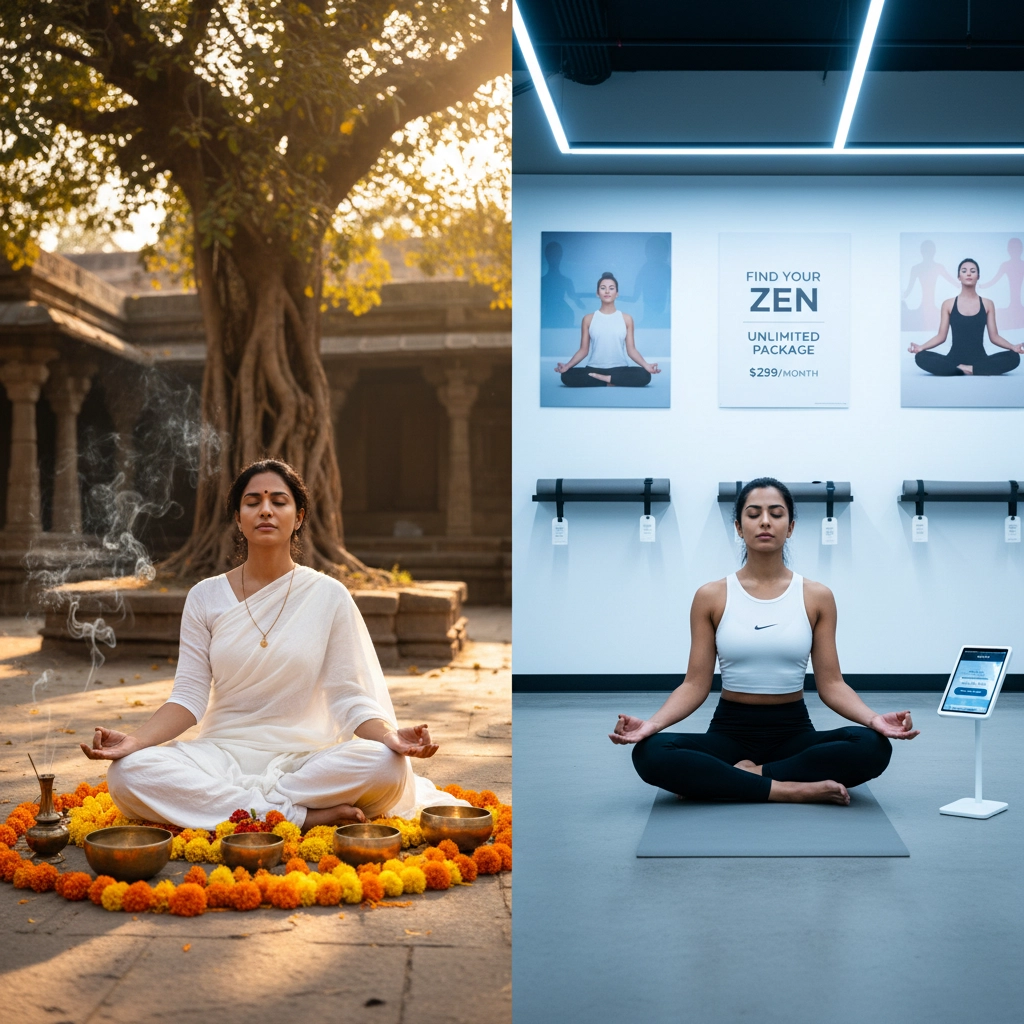
When tantric practices get filtered through Western spiritual frameworks, they become something entirely different. What were once community-based, culturally embedded liberation practices become individual self-improvement techniques. Sacred rituals become "sexual healing workshops." Complex philosophical systems become weekend intensives.
How Colonization Actually Changed Tantra
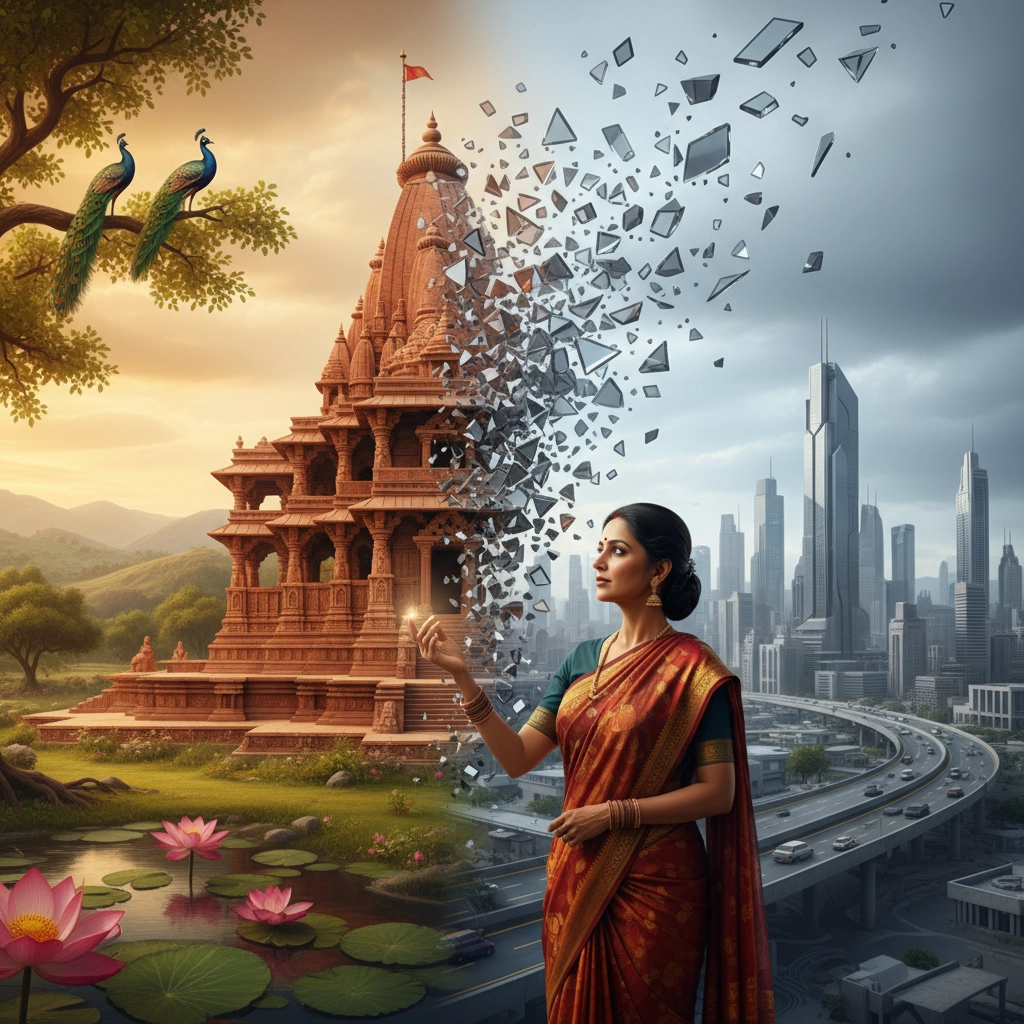
Here's what most people don't understand about how colonization affected tantric traditions: it wasn't just about British rule in India. It was about the systematic dismantling of indigenous ways of knowing and being that made tantric practices possible in the first place.
Traditional tantra existed within specific cultural contexts: extended family systems, community rituals, seasonal celebrations, local deities, regional languages, and ancestral wisdom traditions. These weren't just the background of tantric practice; they were the container that made the practices work.
When Western practitioners extracted tantric techniques from these containers, they created something fundamentally different. It's like trying to transplant a rainforest tree into a desert and wondering why it's dying: you can't separate the practice from the ecosystem that supports it.
The Western wellness industry then took these decontextualized practices and ran them through capitalist frameworks. Suddenly, tantric practices needed to be:
- Marketable to individuals
- Teachable in weekend formats
- Profitable for studios and retreat centers
- Accessible without years of cultural immersion
- Compatible with Western psychological models
Each of these requirements moved tantric practices further away from their original purpose and power.
What Real Decolonization Actually Requires
True decolonization of tantric practice means interrogating every assumption Western culture has about spirituality. And I mean everything.
It means questioning the cult of the individual. Traditional tantric practice was community-based. The idea that you can achieve spiritual liberation through solo practice or couples work: while ignoring your relationships with community, land, and ancestors: is fundamentally Western and individualistic.
It means challenging the commodification of sacred practices. When we turn tantric techniques into products to be bought and sold, we're participating in the same extractive capitalism that colonized these traditions in the first place.
It means recognizing that trauma-informed practice isn't enough. While trauma awareness is crucial, many Western approaches to "healing" are still rooted in colonial ideas about fixing, optimizing, and improving individuals. Traditional tantric approaches were about transformation and integration, not optimization.
It means understanding that cultural context isn't optional. You can't practice authentic tantra without understanding the cultural soil it grew from. This doesn't mean you have to become Hindu or move to India, but it does mean developing genuine relationships with these traditions and their living representatives.
The Uncomfortable Truth About Western Limitations
Here's something that might be hard to hear: many of us in the West may never have truly authentic tantric experiences because we weren't raised within the cultural paradigms that make these practices fully accessible.
That doesn't mean we should give up. It means we need to be more humble about what we're actually doing and more honest about the limitations of our approach.
Instead of claiming to teach "ancient tantric practices," maybe we need to say we're offering "Western interpretations inspired by tantric principles." Instead of positioning ourselves as authorities on traditions we didn't grow up in, maybe we need to see ourselves as students who are sharing what we've learned while acknowledging how much we don't know.
Practical Steps for Real Decolonization
So what does genuine decolonization look like in practice? It's messy, ongoing, and uncomfortable: which is probably why most people prefer the surface-level version.
For practitioners: Start by examining your own cultural assumptions about spirituality. What are you expecting from tantric practice? Individual enlightenment? Better sex? Emotional healing? These goals aren't wrong, but they might be filtered through Western frameworks that limit what's actually possible.
Develop relationships with teachers who have studied within traditional lineages: not just Western practitioners who've read some books. Support organizations working to preserve and protect traditional tantric teachings. And be willing to spend years studying cultural context, not just techniques.
For teachers: Stop marketing tantric practices as quick fixes or weekend transformations. Be transparent about your own limitations and the cultural distance between your offerings and traditional practice. Share resources and revenue with traditional teachers and Indigenous communities whose wisdom you're building on.
Consider whether you're actually qualified to teach these practices or whether you should be referring students to teachers with deeper traditional training. And examine how your marketing and pricing might be perpetuating colonial extraction.
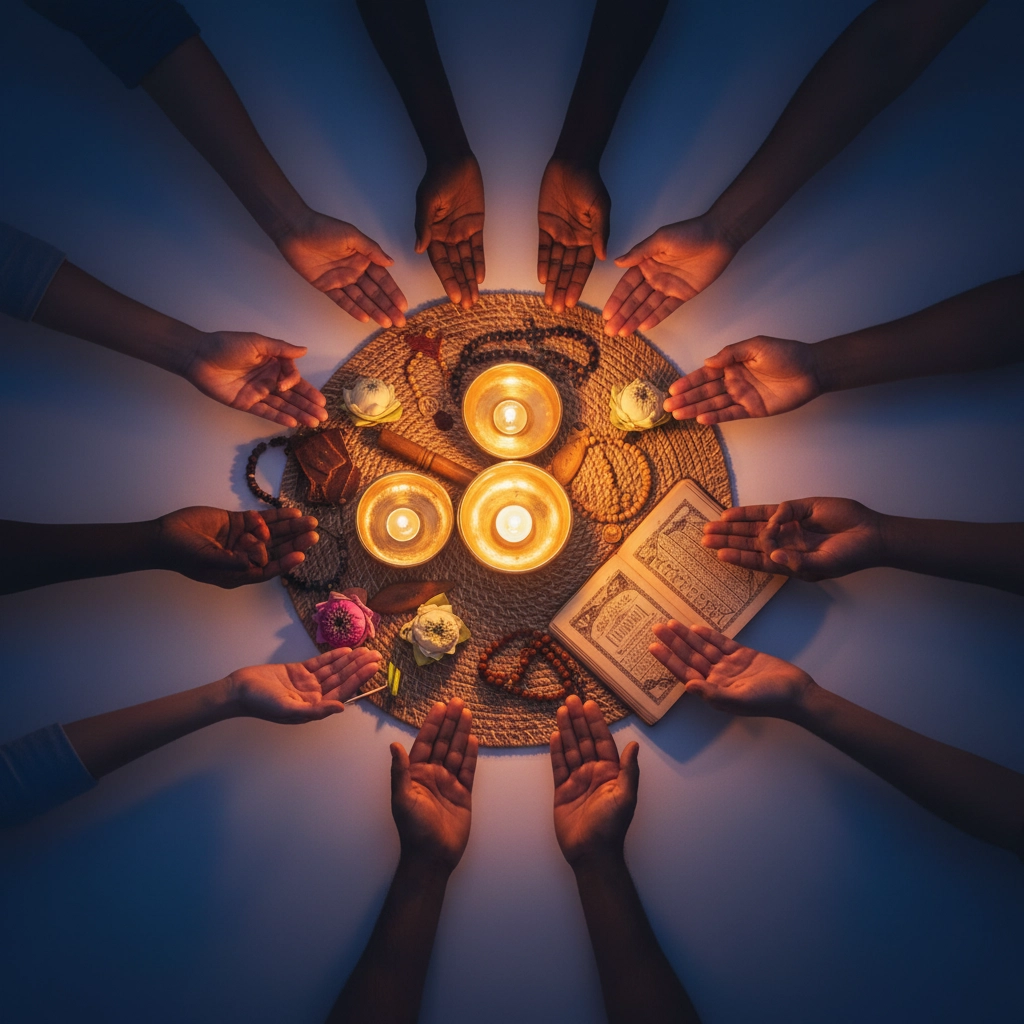
For communities: Create containers for practices that honor their cultural origins while being honest about their adaptations. Build relationships with traditional teachers and Indigenous communities. Develop payment models that don't exclude people based on economic status: many traditional spiritual practices were freely shared within communities.
Moving Beyond Spiritual Colonialism
The path forward isn't about becoming perfect or getting everything right. It's about developing what Indigenous teacher adrienne maree brown calls "a practice of humility, relationship, and reducing harm."
This means moving at the speed of relationship rather than the speed of consumption. It means prioritizing depth over variety, understanding over technique, and cultural respect over personal spiritual achievement.
Real decolonization of tantric practice requires us to examine not just what we're practicing, but how we're approaching practice itself. It asks us to question the entire Western spiritual paradigm and consider whether our frameworks are actually capable of holding the power and wisdom of these traditions.
That's uncomfortable work. It's much easier to add an acknowledgment to your Instagram post or mention Sanskrit origins in your bio. But if we're serious about honoring these practices, we need to be willing to do the deeper work of examining and transforming the colonial frameworks we're all swimming in.
The alternative is continuing to participate in the spiritual colonialism that has already done so much damage to these sacred traditions. And honestly, they: and we( deserve better than that.)

