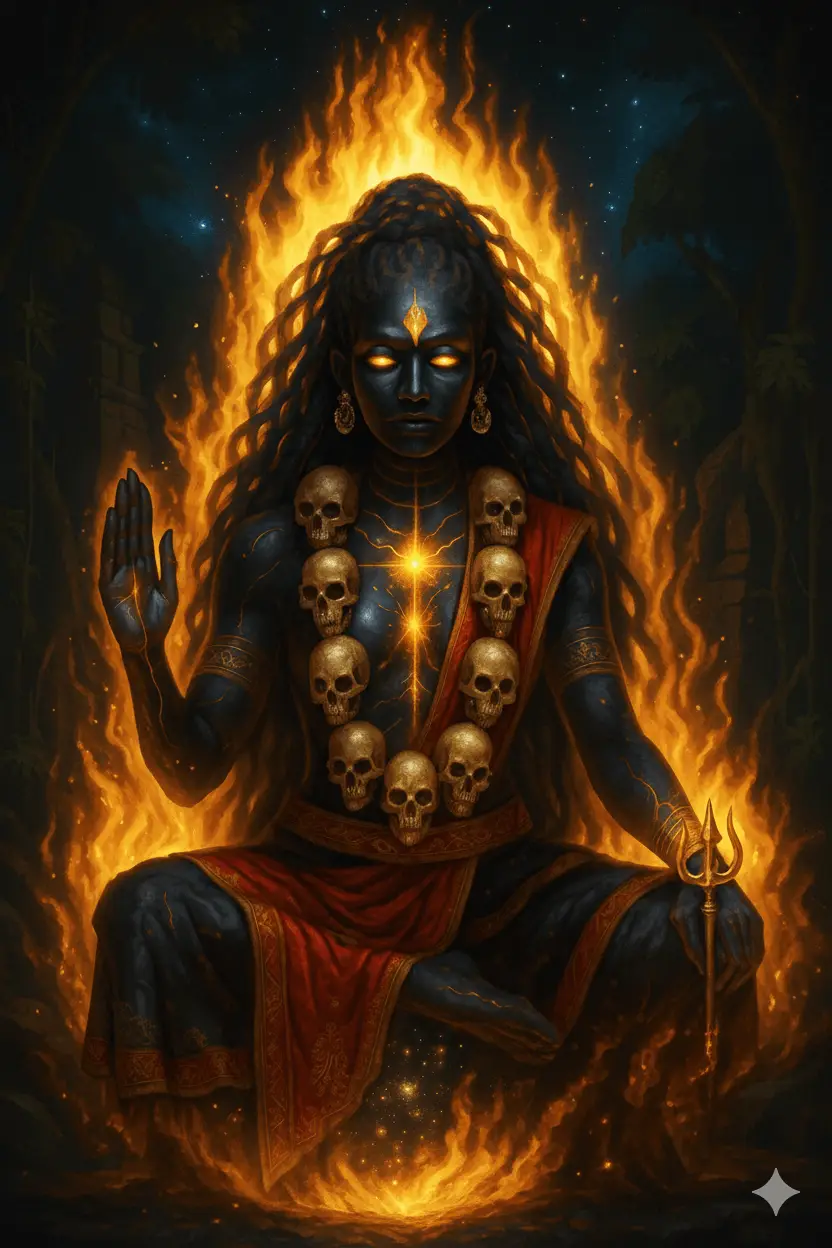


Every few months, the same heated discussion erupts across spiritual forums, yoga studios, and wellness conferences: Is Western tantra legitimate, or is it just commercialized appropriation of ancient Eastern wisdom? The debate usually involves passionate defenders of "authentic" traditional tantra squaring off against modern practitioners who insist their approach is valid too.
Here's the thing, this entire framework is getting us nowhere. While we're busy arguing about which version is "real," we're missing what tantra actually offers: a systematic approach to human transformation that transcends cultural boundaries.
The Usual Suspects in This Debate
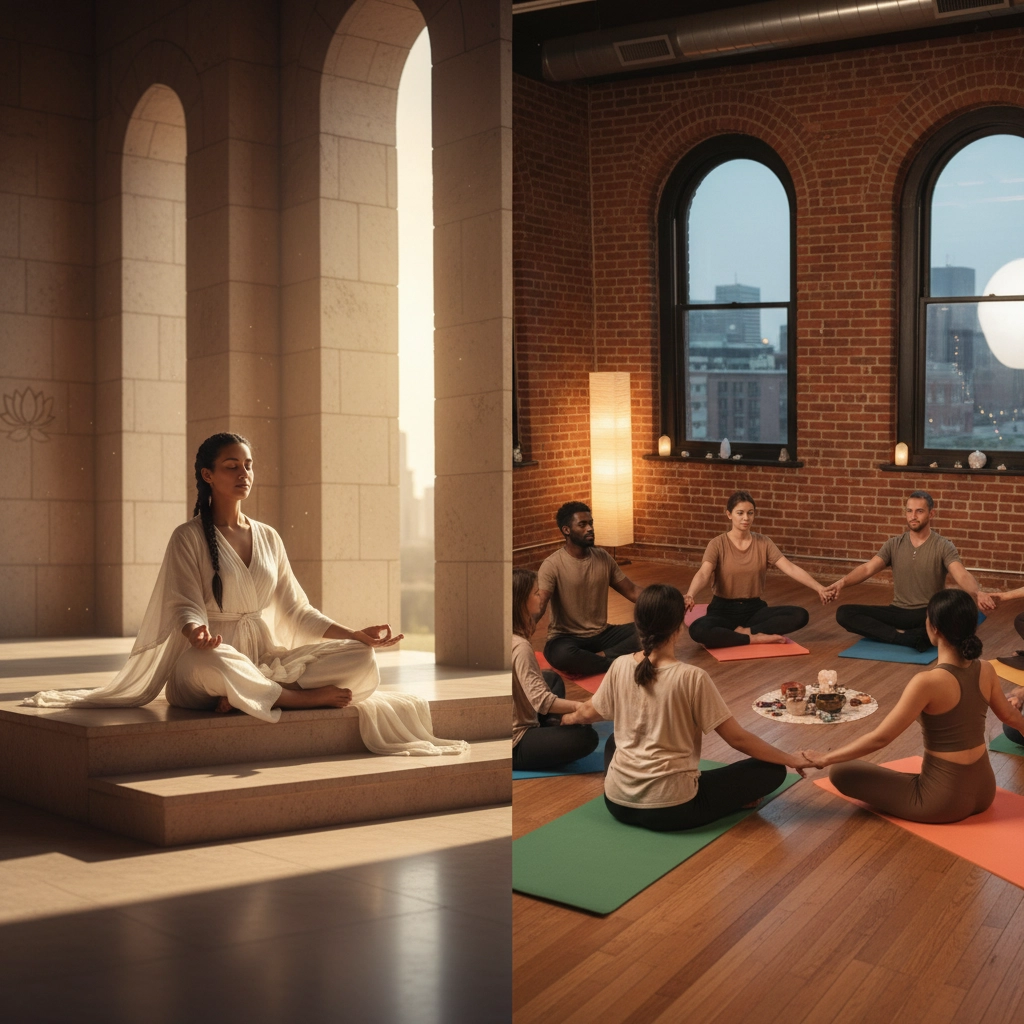
Let's be honest about how this argument typically unfolds. On one side, you have traditionalists pointing out that Western tantra often focuses on external elements, certain foods, alcohol, partner practices, and let's be real, a lot of sexual techniques marketed as spiritual practice. They argue, rightfully, that authentic tantra uses personal energy for inner transformation through meditation, breathwork, and connecting with divine consciousness.
On the other side, Western practitioners push back against being dismissed as shallow or inauthentic. They point to the accessibility of their approaches and argue that spiritual practices need to evolve to remain relevant in modern contexts.
Both sides have valid points. And both sides are missing something crucial.
The Problem With This Binary Thinking
The East versus West framing assumes that "traditional" tantra is well-preserved and clearly understood in its original cultural context. But here's what most people don't realize: tantric traditions are poorly understood even by contemporary practitioners in India and other Eastern countries. Centuries of colonial influence, religious orthodoxy, and cultural shame have created gaps in knowledge that affect Eastern and Western approaches alike.
Western scholarship has its own blind spots, often ignoring the sophisticated spiritual technologies that tantric traditions actually represent. Meanwhile, the commercialization of tantra in the West has created versions that bear little resemblance to any coherent spiritual system, Eastern or Western.
So when we're arguing about authenticity, we're often comparing idealized versions of Eastern practice with commercialized versions of Western practice. That's not exactly a fair fight.
What Gets Lost in the Cultural Ownership Debate
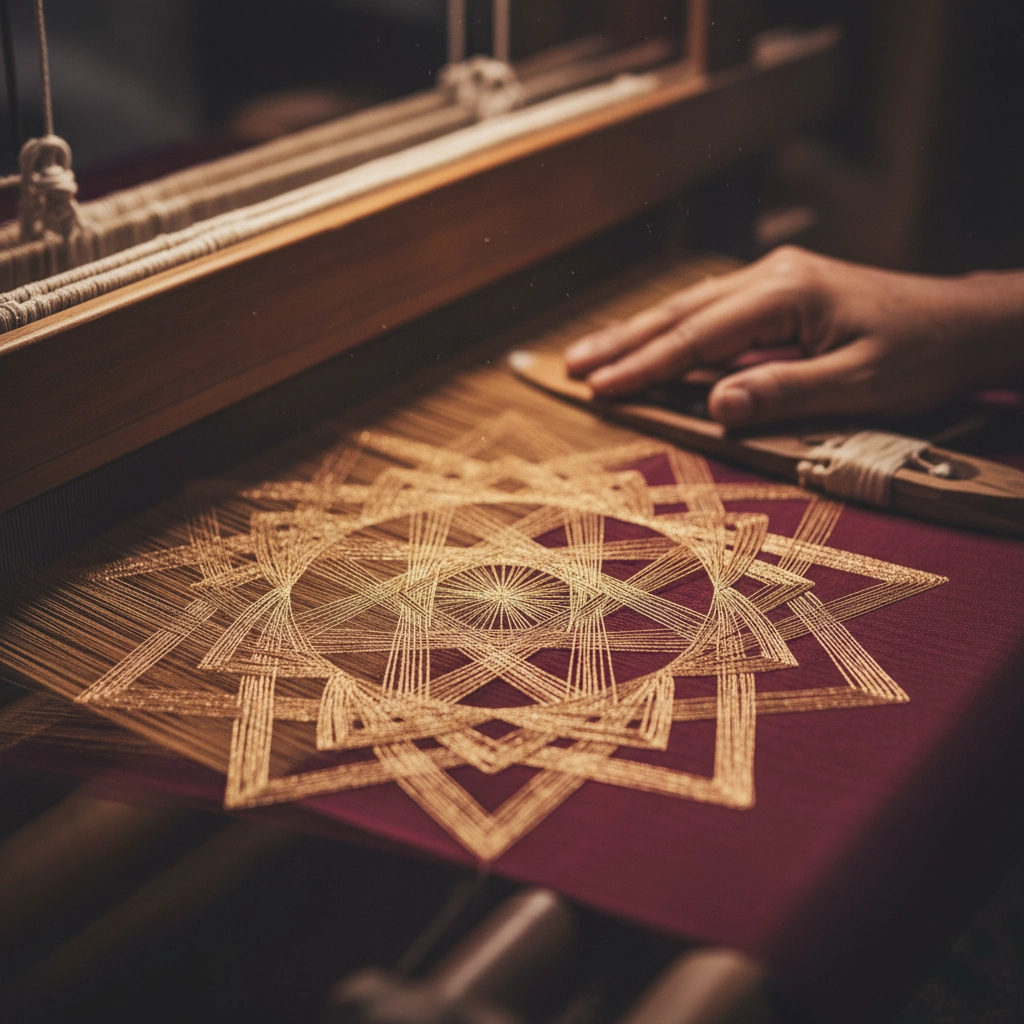
While we're busy arguing about who owns tantra, we're not talking about what tantra actually means. The word comes from the Sanskrit root meaning "to weave" or "to expand." It refers to practices that systematically integrate all aspects of human experience, including the messy, uncomfortable parts we'd rather avoid.
Traditional tantric approaches recognize five fundamental energies that every human works with: sexual energy, anger, greed, attachment, and ego. Instead of trying to suppress these forces (like many spiritual paths do), tantra teaches us to transform them into fuel for growth and awakening.
This transformational technology isn't culturally specific. It's based on universal patterns of human psychology and energy. You can find similar principles in Western alchemy, Kabbalistic practices, and even modern psychotherapy approaches that work with shadow integration.
The Real Issues We Should Be Discussing
Instead of arguing about East versus West, here are the questions that actually matter:
Does this practice lead to genuine transformation? Whether someone is working with Tibetan yantra meditation or Western somatic experiencing, the test is whether it helps them develop greater self-awareness, emotional regulation, and capacity for authentic intimacy.
Is there proper context and guidance? Traditional tantra emphasized the importance of qualified teachers and gradual initiation into increasingly sophisticated practices. Much of what gets marketed as tantra today, Eastern and Western versions alike, lacks this crucial element of mentorship and proper sequencing.
Are practitioners developing discernment? Real tantric practice develops what's called "viveka", the ability to distinguish between what serves your highest good and what doesn't. This applies whether you're choosing between different teaching approaches or deciding how to integrate practices into daily life.
Beyond the Sexual Obsession
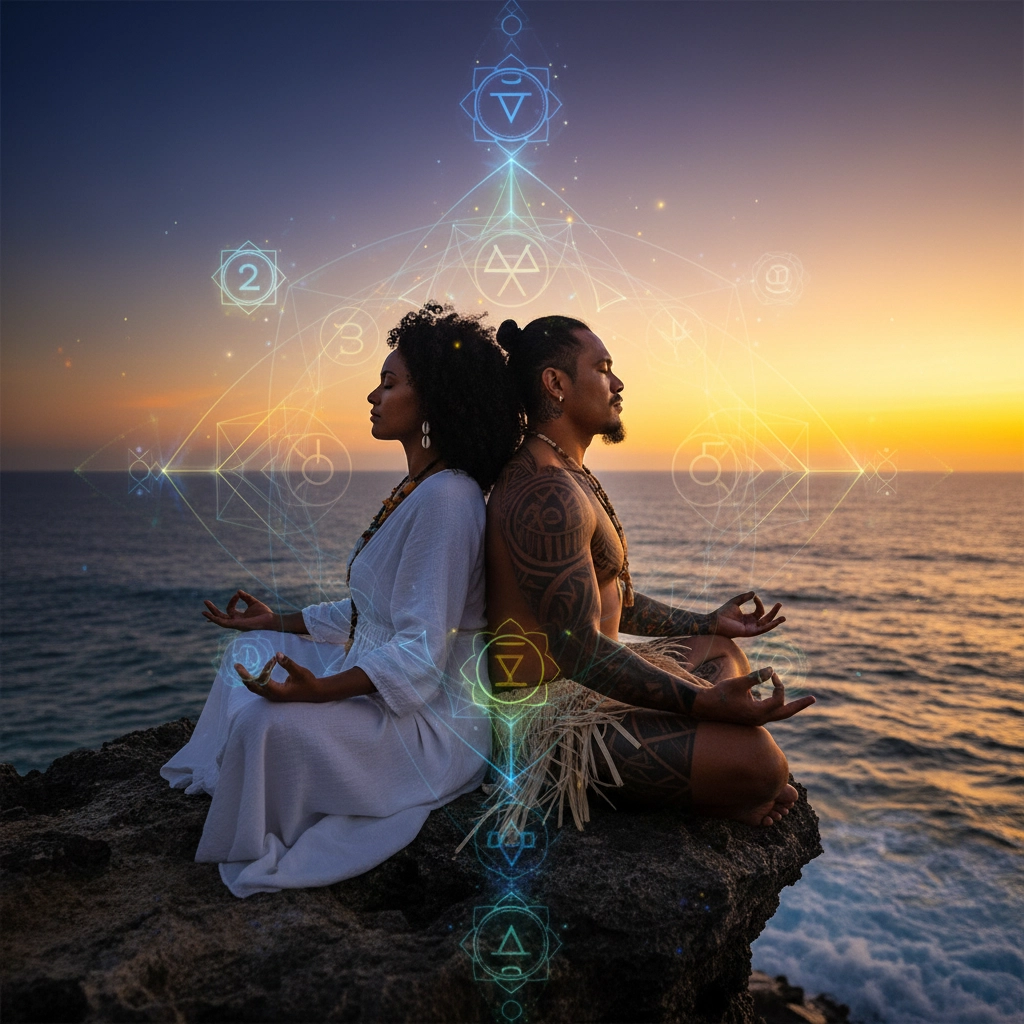
One of the biggest distractions in the East-West debate is the focus on sexual practices. Yes, some traditional tantric lineages included sexual techniques, but these were typically reserved for advanced practitioners and represented a tiny fraction of the overall path.
The Western obsession with tantric sexuality (thank you, New Age marketing) has created the impression that tantra is primarily about better sex or sacred relationships. This misses the point entirely. Tantra is about learning to work skillfully with all energy, including sexual energy, to support spiritual development.
Some people will do this work through celibacy and solitary practice. Others will explore it through conscious relationship. The key isn't the specific form but the underlying intention: Are you using your sexual energy to wake up or to check out?
What Authentic Practice Actually Looks Like
Here's what's interesting: When you look at people doing authentic tantric work: whether they're drawing from Eastern traditions, Western esoteric practices, or contemporary somatic approaches: they tend to share certain qualities.
They're comfortable with paradox and complexity. They're not trying to transcend their humanity but to fully embody it. They've developed the capacity to stay present with intense emotions and sensations without getting overwhelmed or shutting down.
Most importantly, they're not attached to being "right" about their particular approach. They recognize that different practices serve different people at different stages of development.
The Integration Challenge
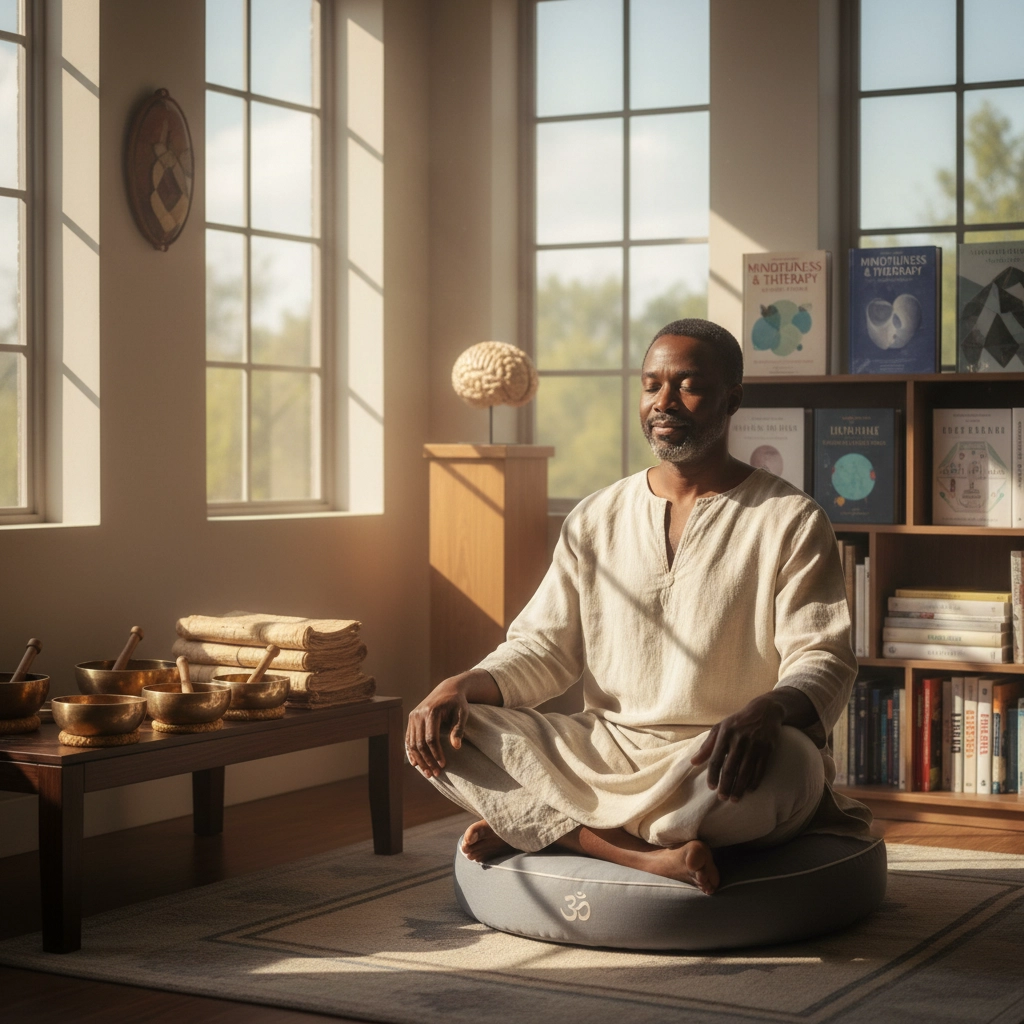
The real challenge isn't choosing between Eastern and Western approaches: it's learning to integrate the best of both while avoiding the pitfalls of each.
From traditional tantric wisdom, we can learn the importance of systematic practice, qualified guidance, and understanding that transformation takes time. We can also appreciate the sophisticated understanding of subtle energy and consciousness that these traditions offer.
From contemporary Western approaches, we can benefit from trauma-informed practices, psychological insights about healthy boundaries, and adaptations that make these teachings accessible to people from different cultural backgrounds.
The most effective practitioners often draw from multiple sources while maintaining integrity around what they're actually qualified to teach.
Moving Beyond the Debate
Instead of getting caught up in arguments about cultural authenticity, here are more useful questions to ask:
- Does this practice help me develop greater self-awareness?
- Am I becoming more skillful at working with difficult emotions?
- Is my capacity for genuine intimacy expanding?
- Am I developing discernment about what serves my growth?
- Do I have access to qualified guidance and community support?
These questions cut through the cultural debates and get to what actually matters: Are you becoming more awake, more integrated, and more capable of contributing positively to the world?
The Real Point
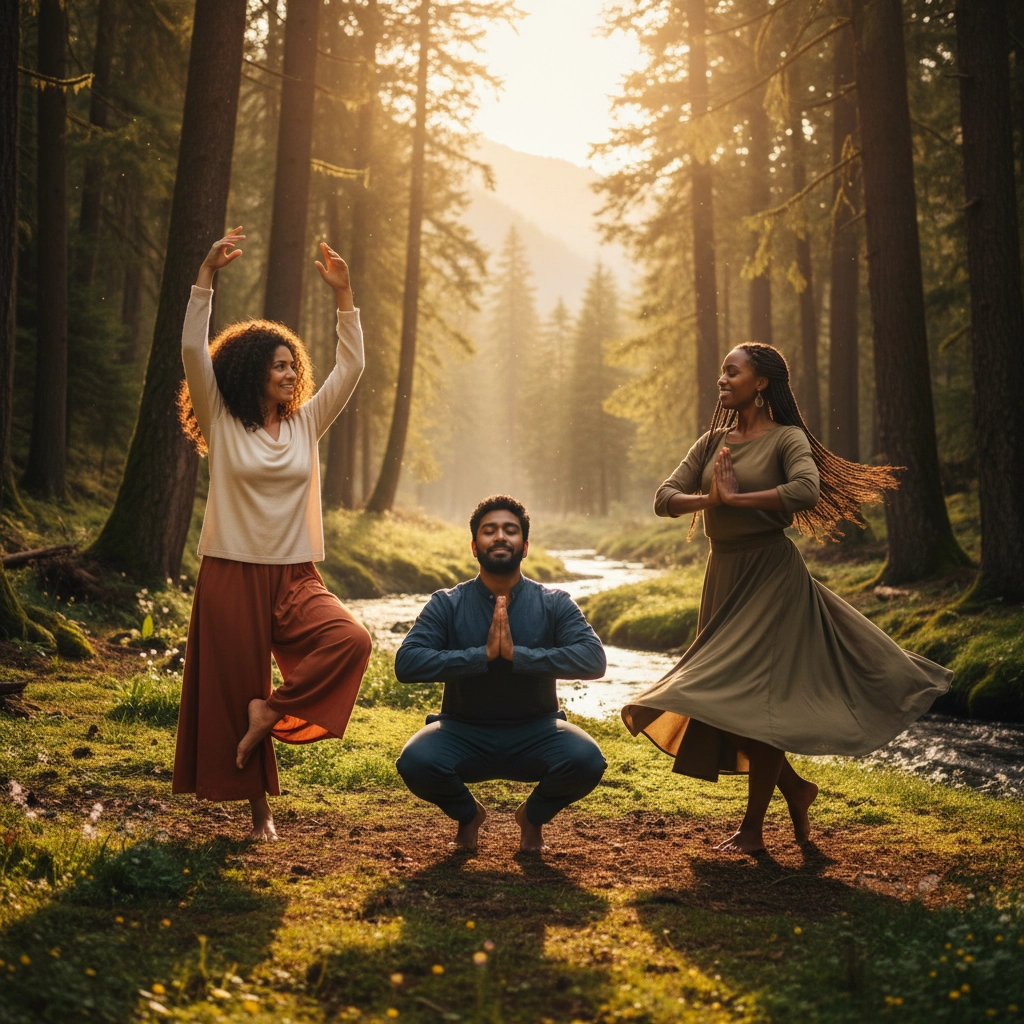
Tantra isn't about preserving ancient traditions or validating modern innovations. It's about recognizing that every human being has the capacity for profound transformation and that there are systematic ways to support this process.
The East-West debate keeps us focused on external forms rather than inner development. It maintains the illusion that spiritual awakening is something we can possess or perfect rather than an ongoing process of showing up more fully to life.
Neither Eastern nor Western cultures "own" the human capacity for integration and growth. What we can do is approach whatever practices we're drawn to with genuine respect, proper preparation, and realistic expectations about the work involved.
The most authentic tantric practice might be the one that helps you stop arguing about authenticity and start doing the actual work of transformation. That work looks different for everyone, and it's available regardless of whether you're sitting in a Himalayan cave or a downtown yoga studio.
The point isn't to win the debate: it's to transcend the need for debates altogether and get on with the business of waking up.

