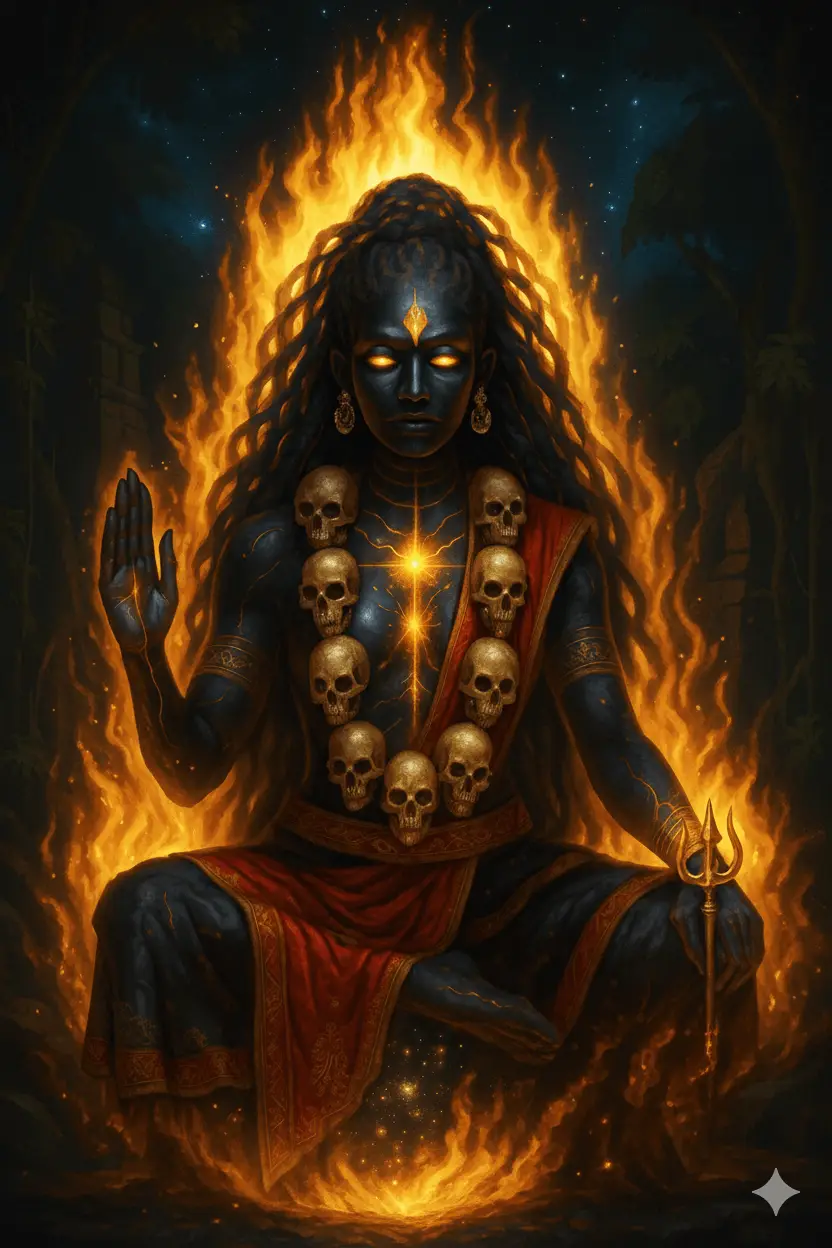


Something's happening in the tantric world that has authentic teachers reaching their breaking point. After years of watching sacred practices get twisted into weekend workshop experiences and Instagram-friendly spiritual products, longtime practitioners are finally saying enough is enough.
The silence is breaking. Teachers with decades of study under traditional lineages are publicly calling out what they're witnessing: a spiritual practice that took lifetimes to develop being packaged into commodified experiences that not only miss the point entirely but can cause real harm to seekers.
This isn't about gatekeeping or spiritual elitism. This is about watching people get hurt.
The spiritual bypassing epidemic
Walk into most modern tantra workshops and you'll find something that would be unrecognizable to the sages who developed these practices over centuries. Instead of the slow, embodied work of integration and shadow processing, you get techniques designed to create peak experiences and temporary highs.
Workshop tourism feeds on spiritual bypassing: the tendency to use spiritual practices to avoid dealing with psychological and emotional issues. Traditional tantra was never about feeling good all the time. It was about feeling everything, processing it completely, and finding the sacred within the most challenging aspects of human existence.
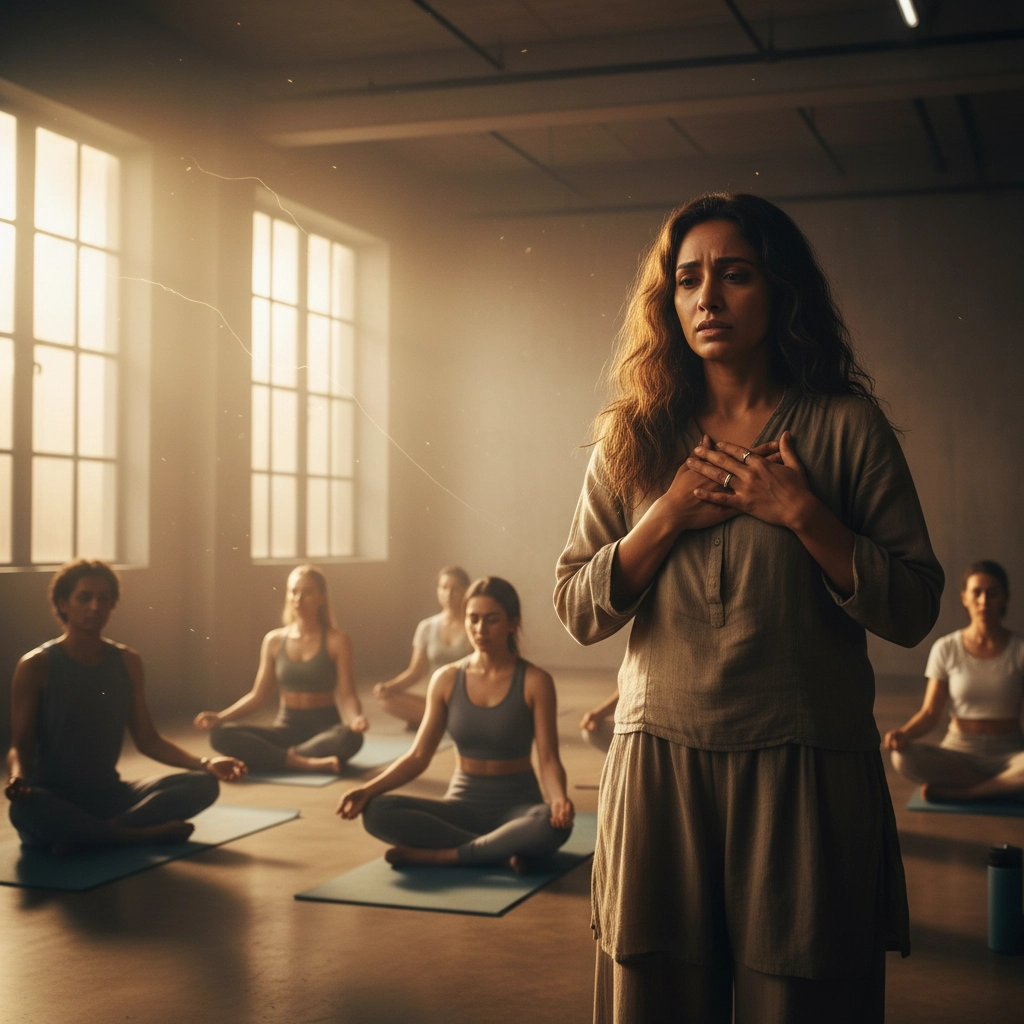
The commodified version promises transcendence without the mess. It offers union without addressing the fragmentation. It sells enlightenment while bypassing the actual work of becoming whole.
"People come looking for magic and leave with trauma," explains one teacher who's been practicing for over twenty years. "They're promised transformation in a weekend when real tantric work takes years of dedicated practice with proper guidance."
When sacred space becomes unsafe space
Perhaps the most disturbing aspect of workshop tourism is how it's created spaces where abuse can flourish under the guise of spiritual practice. Without proper training in consent, boundaries, and trauma-informed approaches, well-meaning facilitators can cause tremendous harm.
The research reveals troubling patterns: workshops with "unclean practices," teachers with "suspicious backgrounds," and environments where inappropriate language and behavior are normalized. One experienced practitioner reported encountering teachers who create "a lot of disbalances within themselves and within the students."
This isn't accidental. When spiritual practices are stripped from their traditional contexts and safety protocols, when depth is sacrificed for marketability, harm becomes inevitable.
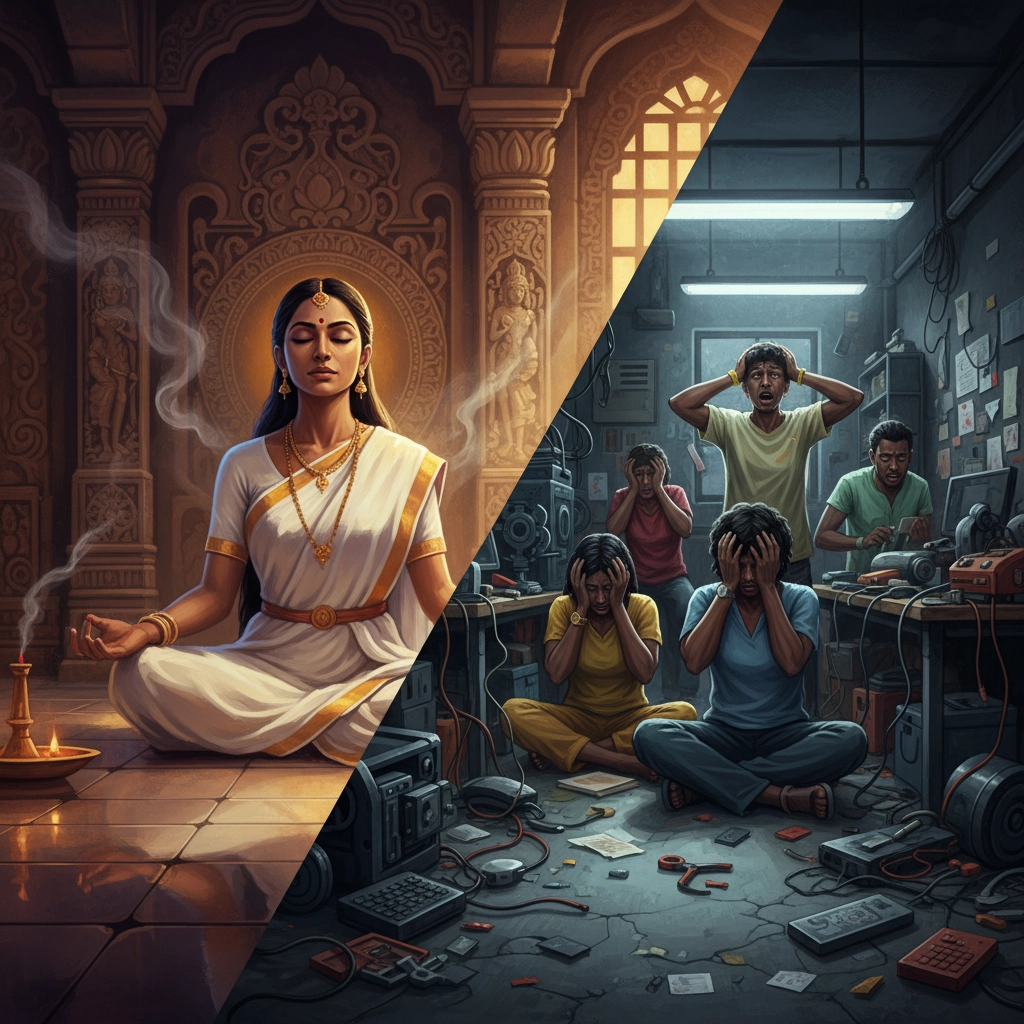
Traditional tantric lineages developed intricate systems for ensuring student safety, including years of preparation before certain practices, careful screening of teachers, and built-in support systems for integration. Workshop tourism discards these safeguards in favor of efficiency and profit.
The appropriation problem
At its heart, tantra is a profound spiritual technology developed within specific cultural and philosophical contexts. It emerged from Indian spiritual traditions that understood the human being as a complex system requiring careful cultivation over many lifetimes.
But workshop tourism has turned tantra into whatever sells best to Western audiences. The result is a complete distortion that bears little resemblance to authentic practice.
"Tantra has nothing to do with sexual techniques, the Kamasutra, or erotic massage," points out one teacher who recently stopped using the term altogether. "It's a spiritual path that started in India, and it's been completely misappropriated."
This appropriation isn't just culturally insensitive: it's spiritually dangerous. When sacred practices are stripped from their context and repackaged for mass consumption, they lose not only their meaning but their safety mechanisms.

Even within India, misconceptions about tantra persist because authentic lineages have remained "well hidden for cultural reasons." The practices challenge traditional power structures and "put women above men": radical ideas that don't translate easily into workshop settings focused on individual satisfaction rather than collective transformation.
Why teachers are speaking out now
The tipping point seems to have been reached. Authentic teachers are no longer content to quietly practice while watching their tradition get butchered in the marketplace of spiritual consumerism.
Some are abandoning the term "tantra" entirely rather than be associated with its commercialized versions. Others are actively warning students about the dangers of workshop tourism, providing detailed guidance on how to identify legitimate instruction.
The internet has amplified both the problem and the solution. While social media has made it easier for unqualified teachers to build audiences and market workshops, it's also made it possible for authentic practitioners to share their concerns more widely.
"The damage being done in the name of tantra has become too great to ignore," explains one lineage holder. "People are getting hurt, traditions are being distorted, and the real teachings are getting lost in the noise of commercial spirituality."
What authentic tantra actually looks like
Real tantric practice is nothing like what you'll find in most workshops. It's not about peak experiences or temporary states of bliss. It's about developing the capacity to meet all of life with presence, wisdom, and compassion.
Traditional tantra requires:
- Years of preliminary practices
- Deep study of philosophical texts
- Personal mentorship with qualified teachers
- Integration work between formal practice sessions
- Community support for processing challenging material
- Commitment to service and ethical conduct
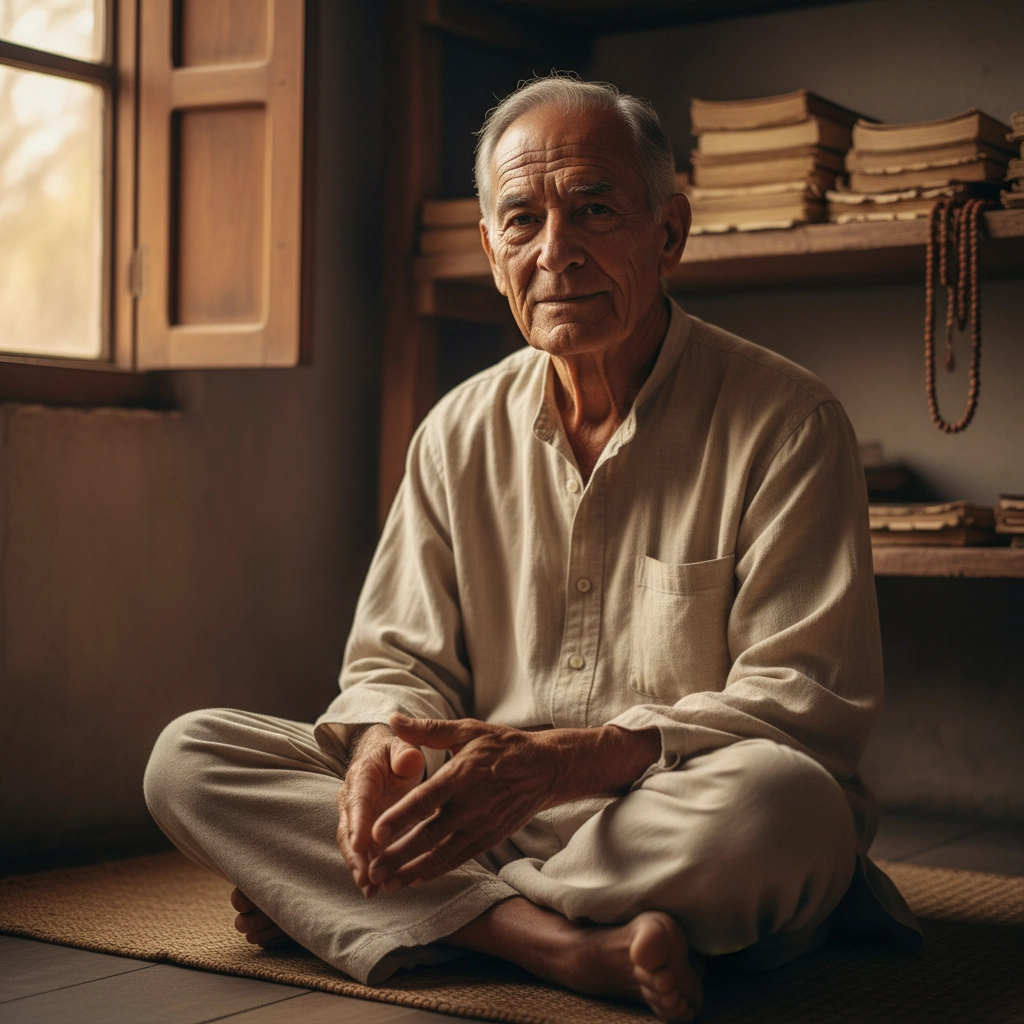
It's slow work. Unglamorous work. The kind of work that doesn't translate well into weekend retreats or social media posts.
Authentic tantric teachers emphasize embodiment over experience, integration over intensity, and wisdom over sensation. They understand that real transformation happens in the spaces between dramatic moments, in the patient cultivation of presence through ordinary difficulties.
The path forward
The calling out of workshop tourism isn't about destroying all modern approaches to tantra. It's about creating space for authentic teaching to flourish again while protecting seekers from harmful practices.
Legitimate teachers are providing guidelines for identifying authentic instruction:
- Check teachers' qualifications and lineage connections
- Investigate whether schools have histories of abuse
- Ensure clear consent protocols and boundary respect
- Look for emphasis on long-term study rather than quick results
- Seek teachers who prioritize student safety over dramatic experiences
The goal isn't to make tantra inaccessible but to restore its integrity. Real tantra has always been available to sincere seekers willing to do the work. What it's never been is a commodity to be consumed.
As more authentic teachers find their voices and more students learn to discern quality instruction from spiritual entertainment, there's hope for a return to the profound wisdom that tantra actually offers.
The sacred deserves protection. The path deserves respect. And seekers deserve practices that truly serve their highest good rather than feeding the spiritual marketplace.

