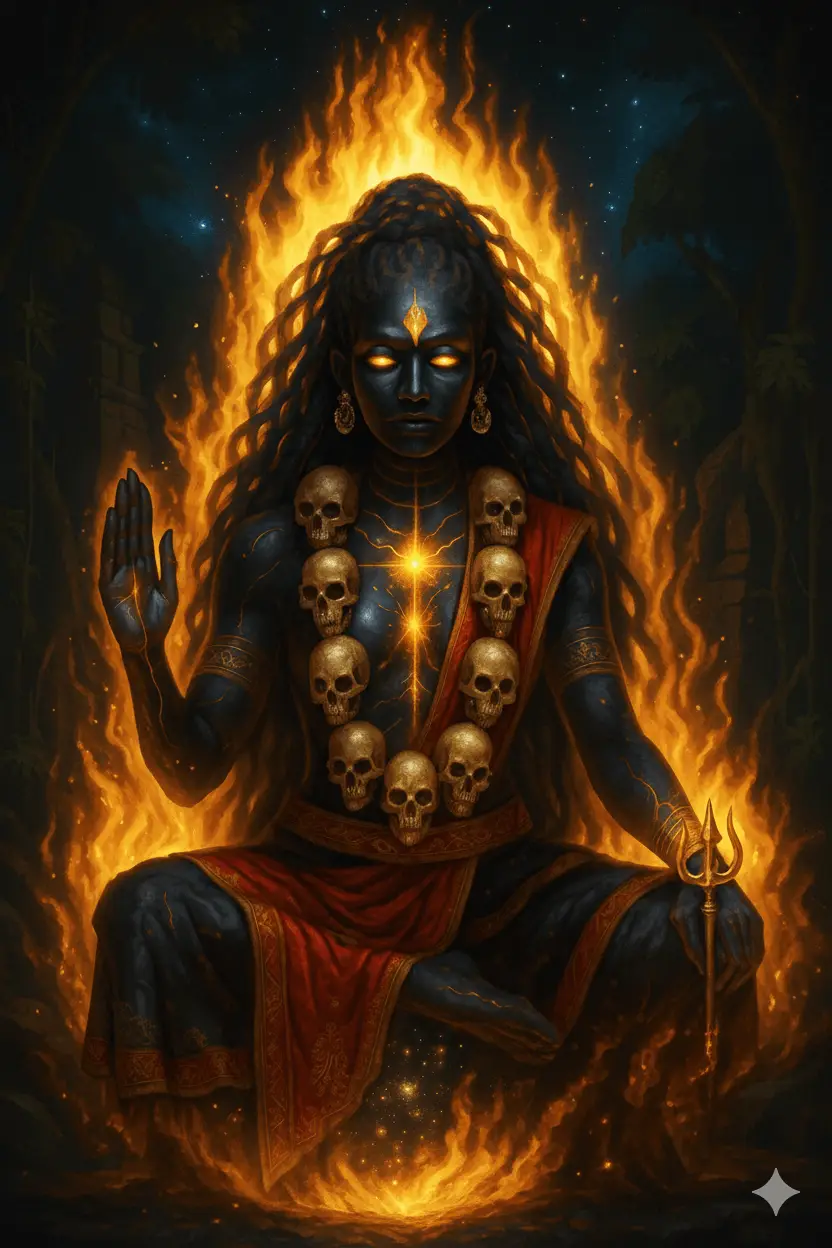


Something profound is happening in the tantrika community. Across the globe, women-only tantra spaces are multiplying: retreats in Costa Rica, circles in Brooklyn warehouses, workshops in London healing centers. This isn't just a trend. It's a response to something deeper that's been brewing for years.
These spaces are revealing truths about healing that many of us in the tantrika world have been dancing around for too long. They're showing us what happens when we create containers specifically designed for those who've been marginalized, misunderstood, or simply haven't felt safe in traditional mixed-gender settings.
Why safety matters more than we thought
Let's be honest: mainstream tantra workshops can be intimidating as hell. Walking into a room full of strangers to explore sacred sexuality and embodiment? That takes courage on a good day. But for women who've experienced trauma, harassment, or even just the everyday microaggressions of existing in a patriarchal world, these spaces can feel downright unsafe.
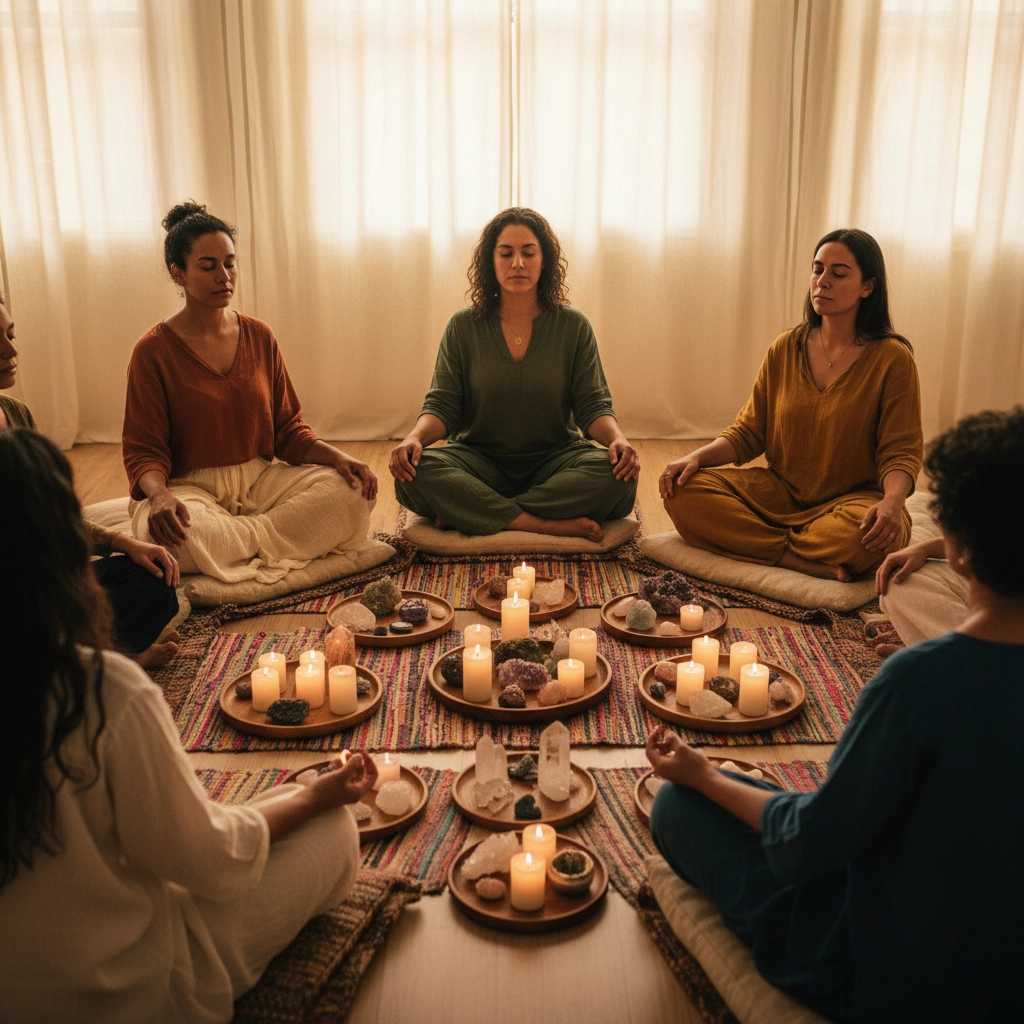
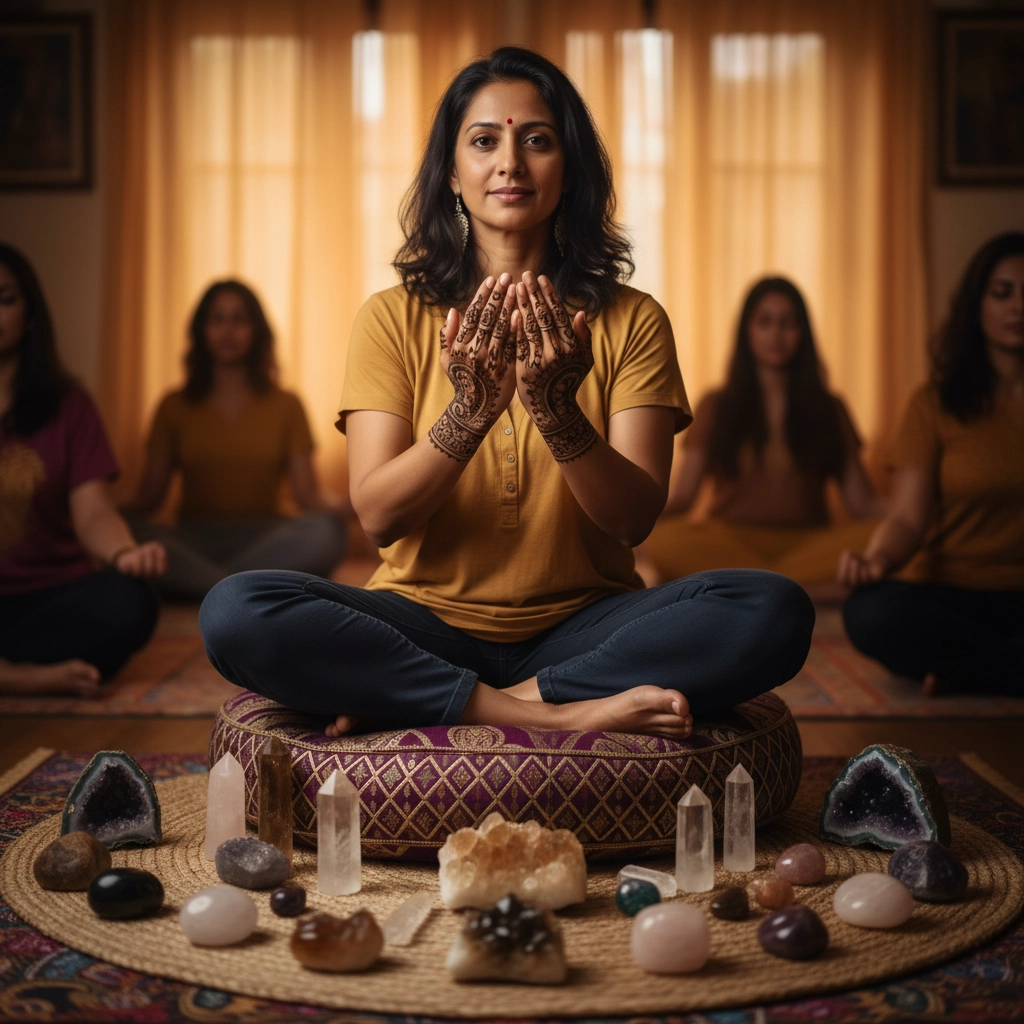
Women-only tantra circles are creating something different. They're building containers where vulnerability isn't performed for the male gaze. Where healing doesn't have to be filtered through masculine energy or expectations. Where women can fully inhabit their bodies without worrying about being sexualized or judged.
This safety isn't just nice to have: it's essential for real healing work. When your nervous system is constantly scanning for threat, you can't drop into the kind of deep embodiment that tantra requires. These women-only spaces are recognizing that safety is the foundation, not the cherry on top.
Collective wisdom over individual healing
Here's what's fascinating about these spaces: they're tapping into something ancient. Indigenous cultures worldwide have always understood the power of women gathering in circles. The Red Tent tradition. Grandmother circles. Moon lodges. This isn't new age fluff: it's reclaiming practices that our ancestors knew were essential for feminine well-being.
In women-only tantra spaces, healing happens through witness and reflection. When one woman shares her story of reclaiming her sexuality after trauma, it creates ripples. Other women see themselves reflected. They realize they're not alone in their struggles with body shame, sexual disconnection, or spiritual bypassing.
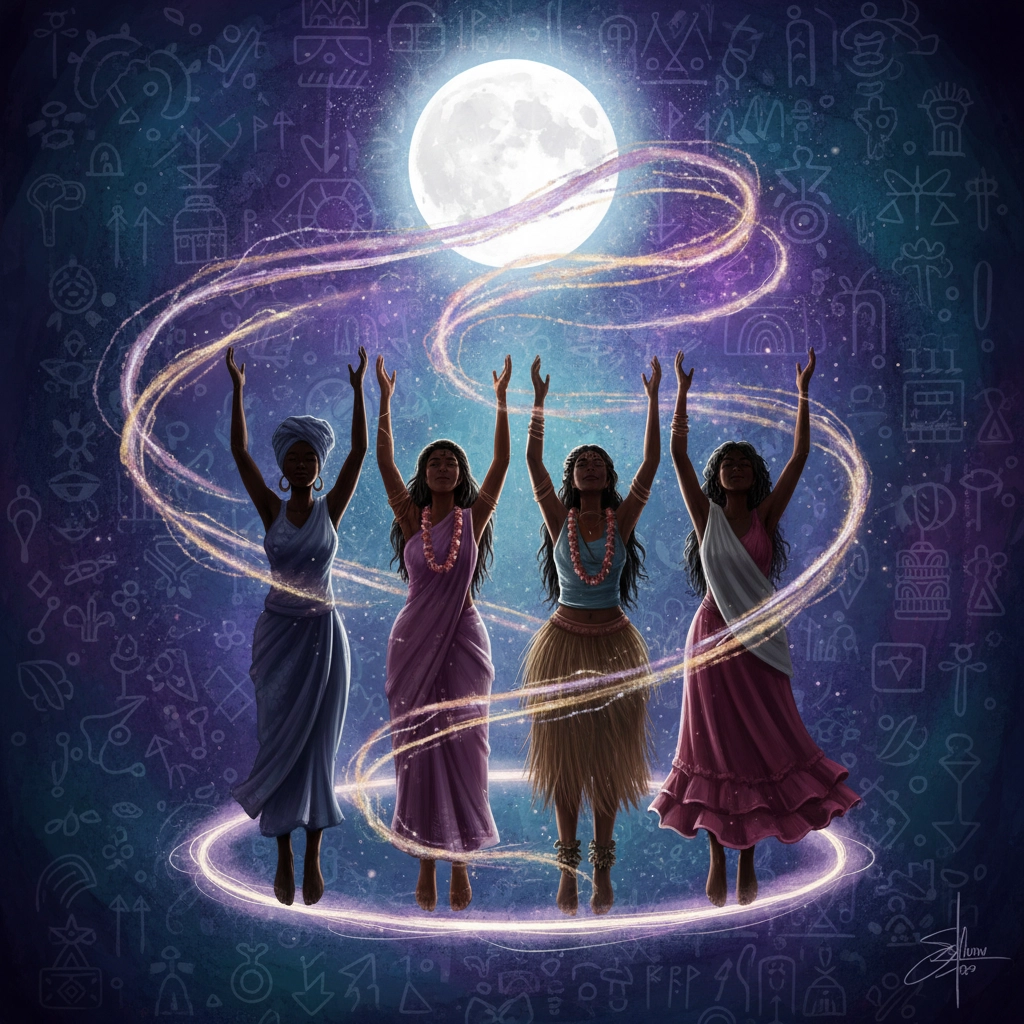
This collective approach challenges the Western obsession with individual healing. Instead of "fixing yourself in isolation," these spaces say, "heal in community." The medicine isn't just in the practices: it's in the shared experience of being seen and held by others who truly understand.
Reclaiming traditions that were never meant to exclude
Let's talk about something uncomfortable: traditional tantra spaces have often been dominated by white, cisgender, heterosexual voices. Even though tantra originates from Indian and Tibetan spiritual traditions, many Western interpretations have been filtered through colonial and patriarchal lenses.
Women-only tantra spaces are becoming places where practitioners of color, queer women, trans women, and other marginalized identities can reclaim these practices on their own terms. They're asking crucial questions: What would tantra look like if it centered Black women's experiences? How do we honor the Indigenous roots of earth-based practices? What healing becomes possible when we stop trying to fit into spaces that weren't designed for us?
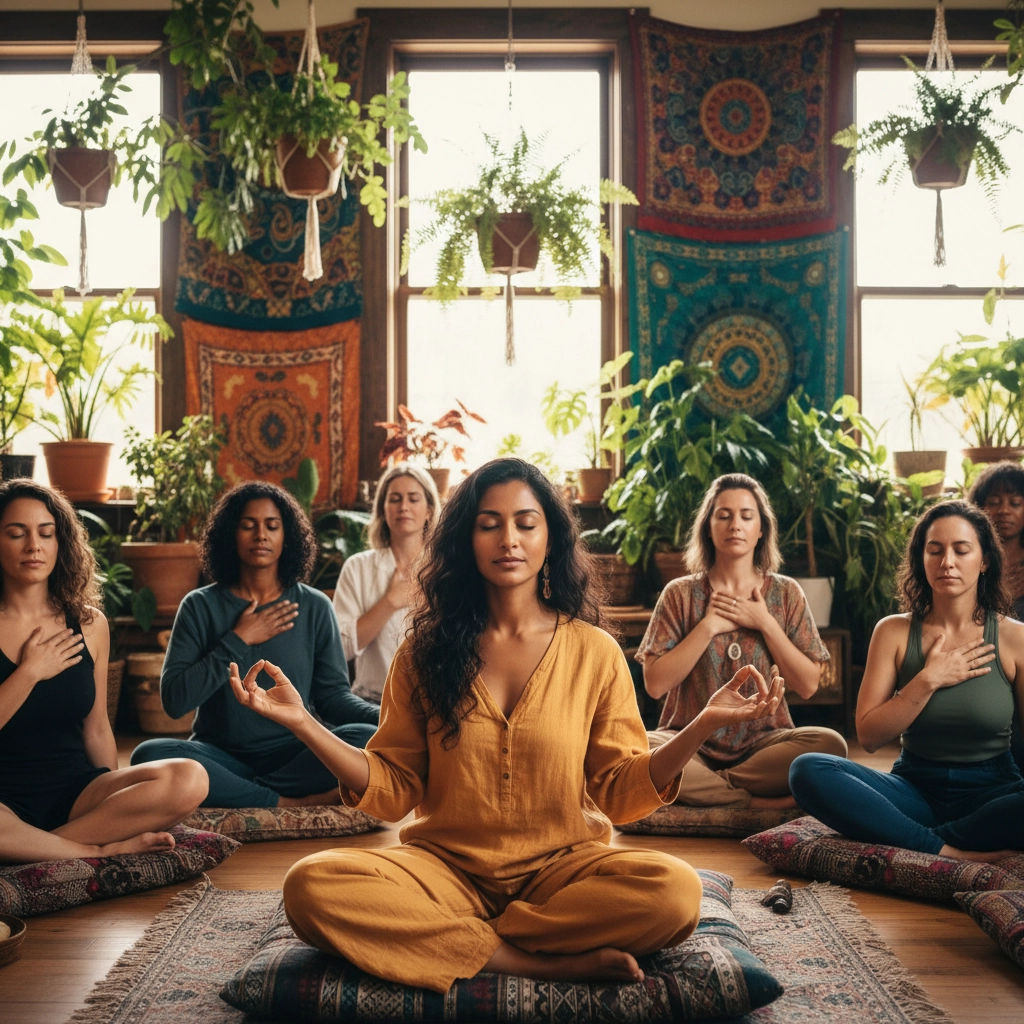
These conversations are revealing how much we've lost by not centering diverse voices in tantrika communities. When healing spaces become truly inclusive, they don't just help individuals: they transform the practices themselves, making them more authentic and powerful for everyone.
What this reveals about our community
The rise of women-only spaces is holding up a mirror to the broader tantrika community, and the reflection isn't always comfortable. It's revealing that many of us have been unconsciously perpetuating the same power dynamics we claim to be healing.
It's showing us that "sacred sexuality" workshops can still center male pleasure and perspective. That "embodiment" practices can still be influenced by the male gaze. That "spiritual" spaces can still be unsafe for those who don't fit the dominant narrative.
But here's the beautiful thing: this isn't just critique. It's evolution. These women-only spaces aren't trying to exclude or separate permanently. They're creating laboratories for healing that can eventually inform more inclusive mixed-gender spaces.
The trauma-informed revolution
Women-only tantra spaces are pioneering trauma-informed approaches that the broader community desperately needs. They understand that healing sexual and spiritual trauma requires specific containers and methodologies.
This means starting with nervous system regulation before jumping into practices. It means understanding that someone's "resistance" might actually be their body's wisdom protecting them. It means creating multiple exit strategies and giving participants agency over their own experience.
These approaches are revolutionary because they acknowledge that most of us are carrying some form of trauma, whether from individual experiences or collective oppression. They're showing us that you can't separate spiritual practice from psychological safety.
Beyond the gender binary
Interestingly, many "women-only" spaces are evolving their language and inclusivity practices. They're wrestling with important questions about gender identity and who belongs in these spaces. Some are becoming "women and femmes" circles. Others are creating specific spaces for trans women, or separate gatherings for different identities altogether.
This evolution is messy and important. It's forcing all of us to examine our assumptions about gender, safety, and belonging. It's showing us that creating truly safe spaces requires ongoing dialogue and willingness to adapt.
The ripple effect
What's happening in women-only tantra spaces isn't staying in women-only tantra spaces. The healing methodologies, community-building practices, and trauma-informed approaches are influencing the broader tantrika world.
Mixed-gender workshops are adopting consent practices pioneered in women's circles. Retreat leaders are learning about nervous system regulation and cultural appropriation. The entire community is being challenged to become more inclusive and healing-centered.
Looking forward
The rise of women-only tantra spaces reveals something beautiful about our community's capacity for growth. It shows that when we're willing to examine our blind spots and center marginalized voices, we don't just create better spaces for "others": we create better spaces for everyone.
These spaces aren't the endpoint. They're laboratories, incubators, healing grounds that are informing a more inclusive and trauma-aware future for all tantrika practices. They're showing us what becomes possible when safety, cultural humility, and collective healing are prioritized over tradition for tradition's sake.
The question isn't whether women-only spaces belong in the tantrika world. The question is: what other voices have we been missing? What other healing approaches are waiting to be discovered when we create brave spaces for all beings to explore their sacred sexuality and embodied spirituality?
The revolution is already happening, one circle at a time.

