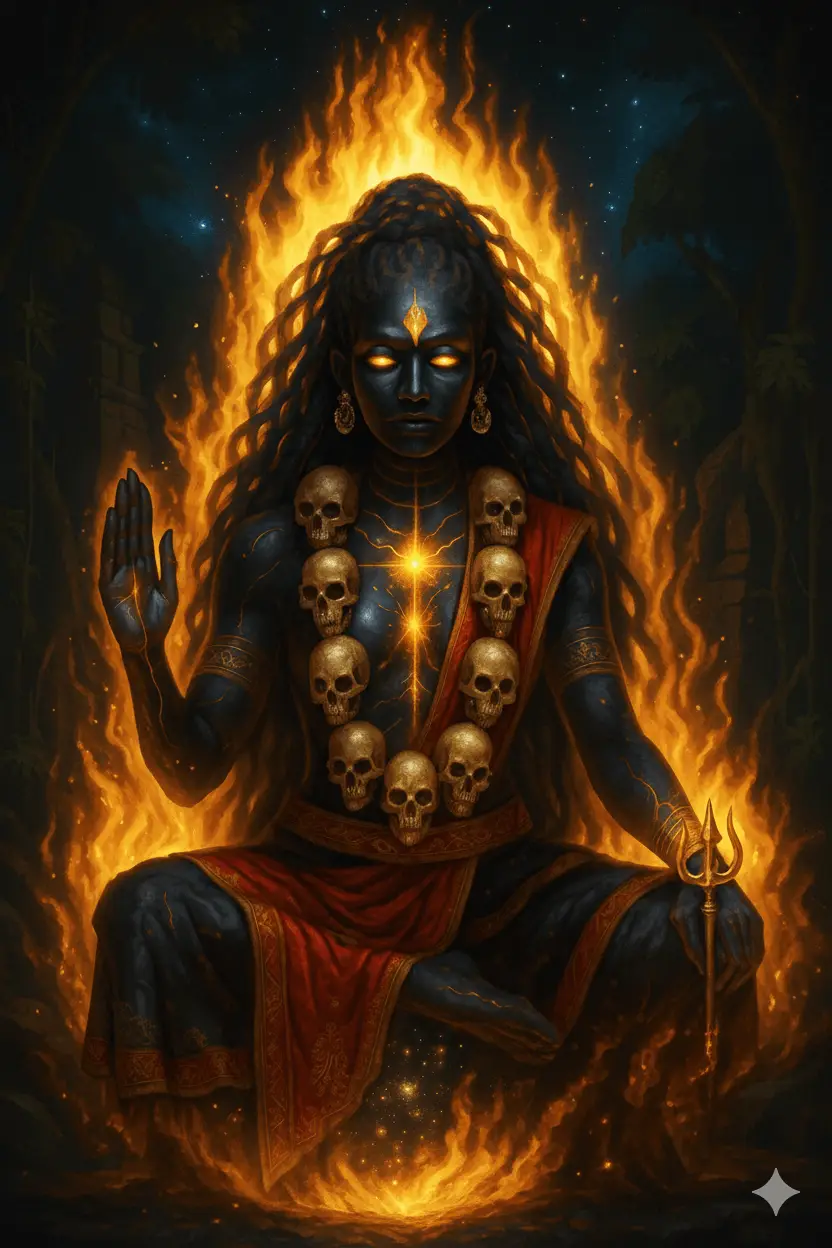


Walk into any spiritual bookstore or scroll through wellness Instagram, and you'll see tantra everywhere. But ask someone what they actually learned from their last workshop, and you might get some pretty vague answers. So what's really going on? Are people still showing up for the real work, or has the tantra workshop scene become another spiritual trend that's lost its way?
The short answer might surprise you: tantra workshops aren't dead at all. In fact, they're busier than ever. But they're changing in ways that matter.
The Workshop Scene Is Actually Thriving
While some people assume the tantra workshop world has faded into obscurity, the reality is quite different. Throughout 2025, organizations around the world are running everything from weekend intensives to month-long certification programs. Places like Bali and the Czech Republic are hosting regular gatherings, and training academies are still enrolling new students with waitlists.
But here's what's interesting: the people showing up aren't necessarily the same crowd from ten years ago. Today's participants are less interested in dramatic breakthroughs and more focused on sustainable, trauma-informed practices that they can actually integrate into their daily lives.
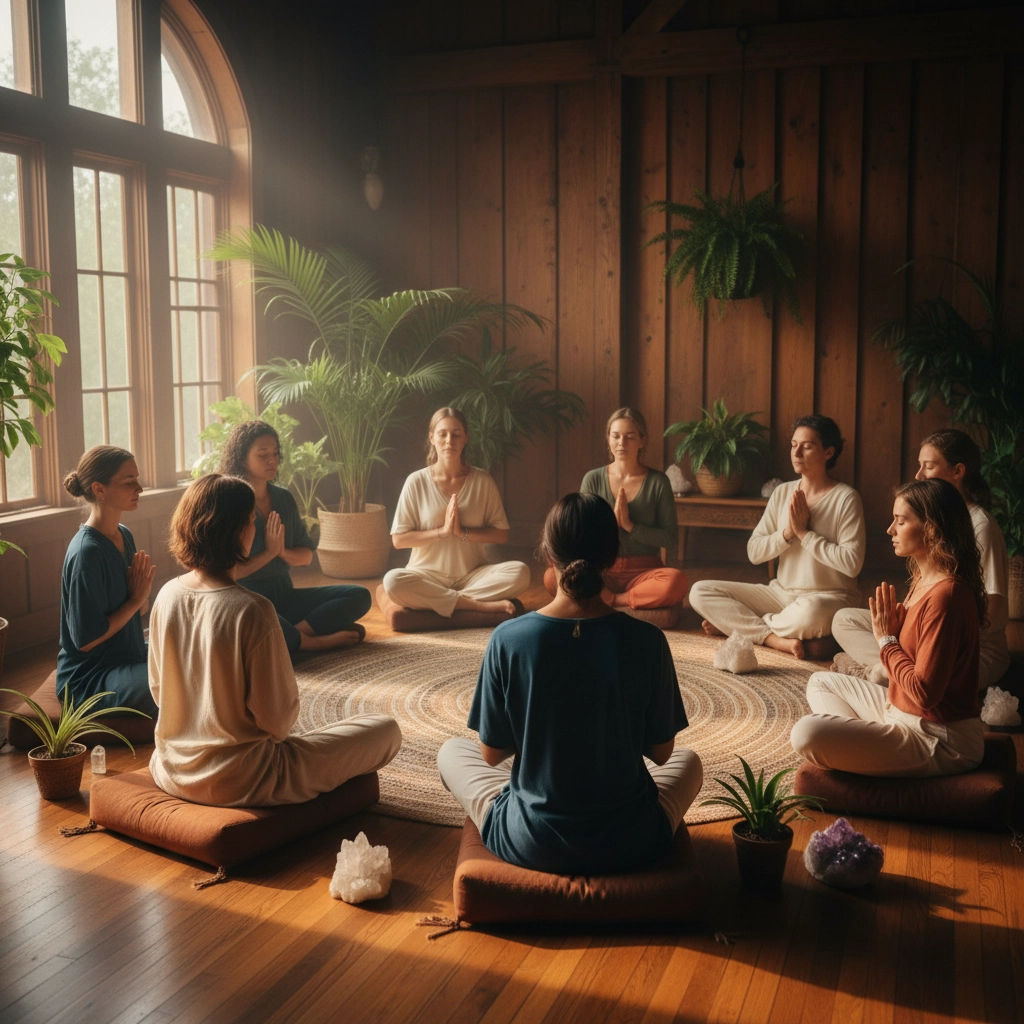
The format has evolved too. Instead of large, festival-style gatherings, many workshops now cap attendance at 20-30 people. The focus has shifted from spectacle to genuine learning, with experienced facilitators who've done their own deep work rather than charismatic speakers who learned everything from a book.
What People Are Really Looking For
When someone searches for a tantra workshop today, they're usually not looking for what pop culture told them tantra was about. They're dealing with real stuff: difficulty being present during intimacy, patterns of shutting down emotionally, or feeling disconnected from their own body.
Modern seekers understand that authentic tantric practice isn't about becoming some sort of sexual superhuman. It's about learning to stay present with whatever's actually happening – the good, the challenging, and everything in between. This is embodiment: being fully here in your actual experience rather than escaping into concepts or fantasies about how things should be.
The people who stick around in tantric communities are often those who've tried other approaches and found them lacking. They've done therapy, read the books, maybe tried some other spiritual practices, but they're still struggling with the same patterns. What draws them to tantra is the promise of working directly with energy and sensation rather than just talking about problems.

The Great Sorting: Authentic vs. Commercialized
One of the biggest shifts in recent years has been the growing distinction between authentic tantric practice and what some call "neo-tantra" or commercialized versions. This isn't about one being better than the other – it's about people becoming more discerning about what they're actually getting.
Authentic tantra teachers tend to emphasize that tantra is fundamentally about consciousness – learning to recognize that everything you experience is essentially energy in different forms. This might sound abstract, but in practice it means learning specific techniques for working with difficult emotions, challenging situations, and the full spectrum of human experience.
The commercialized versions often focus on techniques for better relationships or enhanced pleasure, which isn't necessarily wrong, but it's incomplete. It's like learning to tune a guitar without ever learning to play music.
People are getting smarter about this distinction. They're asking harder questions before signing up for workshops: What's the teacher's actual training? How long have they been practicing? Do they demonstrate the qualities they're teaching, or do they just talk a good game?
Why Workshops Are Evolving, Not Dying
The tantra workshop scene isn't shrinking – it's maturing. What's dying off are the fly-by-night operations and the teachers who were more interested in building a following than developing their craft. What's thriving are the programs that offer real substance and lasting transformation.
This evolution reflects broader changes in how people approach spiritual and personal development. After decades of quick-fix promises and weekend warrior mentality, many seekers are ready for practices that require genuine commitment and produce lasting change.
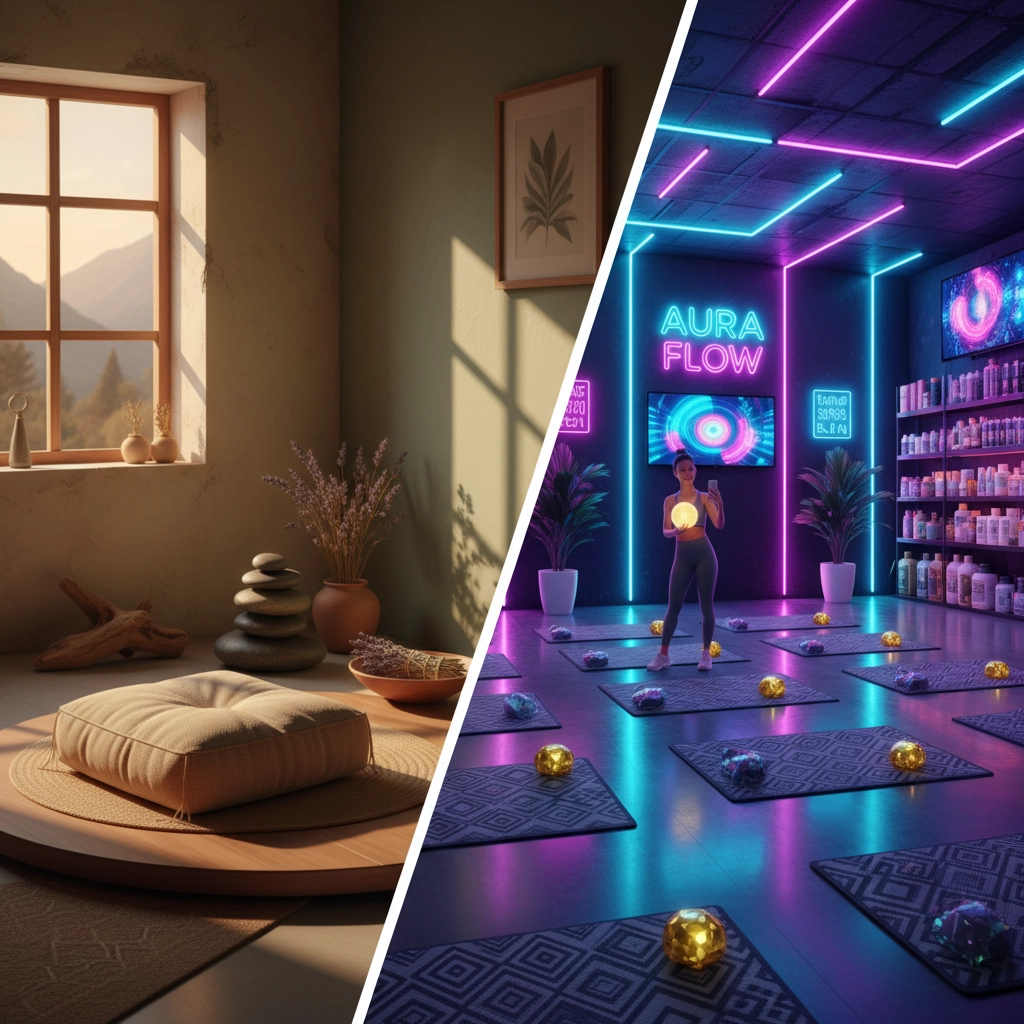
Modern tantra workshops often integrate other approaches – trauma-informed therapy, somatic practices, mindfulness meditation – creating more comprehensive healing environments. This isn't diluting tantra; it's recognizing that most people need multiple tools to address the complexity of being human in the modern world.
What Real Embodiment Actually Looks Like
Real embodiment isn't about having amazing experiences in a workshop setting. It's about what happens when you get triggered by your partner, when work stress hits, when life gets messy. Can you stay present? Can you feel what's happening in your body rather than immediately jumping into your head?
True tantric embodiment shows up in mundane moments: feeling your feet on the ground while washing dishes, staying aware of your breath during a difficult conversation, recognizing when you're contracting with fear and choosing to soften instead of armor up.
This is probably why workshops are still relevant. You need containers where you can practice these skills in a supportive environment before trying to apply them in your regular life. The best workshops create scenarios where you can safely explore your patterns and try new responses.

The people who get the most from these experiences are usually those who understand that the workshop is just the beginning. The real work happens in the weeks and months afterward, as you attempt to integrate what you've learned into your actual relationships and daily routine.
The Community Factor
One thing that hasn't changed is the importance of community in tantric practice. People still need others who understand this path, who won't look at you weird when you talk about working with sexual energy as a spiritual practice or treating your emotions as information rather than problems to solve.
Many of the most successful workshops now include ongoing community components – online groups, monthly meetups, mentorship programs. This recognizes that transformation rarely happens in isolation, especially when you're working with patterns that have been decades in the making.
The digital age has actually enhanced this community aspect in some ways. People can connect with others walking similar paths regardless of geography, share resources, and get support between in-person gatherings.
Looking Forward
So are tantra workshops dead? Hardly. But they're definitely different than they were twenty years ago, and that's probably a good thing. The field is becoming more professional, more trauma-informed, and more focused on sustainable practices rather than peak experiences.
People are still seeking real embodiment – maybe more than ever in our increasingly digital and disconnected world. But they're becoming more sophisticated about how they approach it. They want teachers who walk their talk, practices that actually work in daily life, and communities that support long-term growth rather than just weekend highs.
The future likely belongs to programs that can bridge ancient wisdom with modern understanding of trauma, attachment, and nervous system regulation. Not because the old ways were wrong, but because we're dealing with challenges our ancestors couldn't have imagined.
If you're considering exploring tantric practices, the good news is there are more quality options available now than ever before. The key is knowing what you're looking for and being willing to do the sometimes unglamorous work of genuine transformation rather than just collecting peak experiences.
The workshops aren't dead – they're just growing up.

