


Let's be honest – most of us have gotten tantra completely wrong. We've turned this beautiful, sacred practice into another performance we need to nail. Another skill to master. Another way to prove we're "good at" something.
Sound familiar? You're not alone.
The modern world has taken tantra and wrapped it up in goal-oriented thinking. We approach it like we're training for a marathon or studying for an exam. We focus on techniques, positions, and outcomes instead of what tantra is really about – being fully present in our bodies and connecting with life force energy.
This performance-based approach is exhausting. And honestly? It's missing the point entirely.
What Embodiment Actually Means
Before we dive into the practices, let's get clear on what embodiment means. It's not about being flexible or knowing fancy breathing techniques. Embodiment is about dropping into your body and actually feeling what's happening right now.
It's the difference between thinking about an apple and actually tasting one. Between reading about swimming and jumping into the water. Between talking about presence and actually being present.
In tantric terms, embodiment means your awareness lives in your body, not just in your head. You feel your emotions as sensations. You notice energy moving through you. You're connected to the intelligence that exists in every cell.
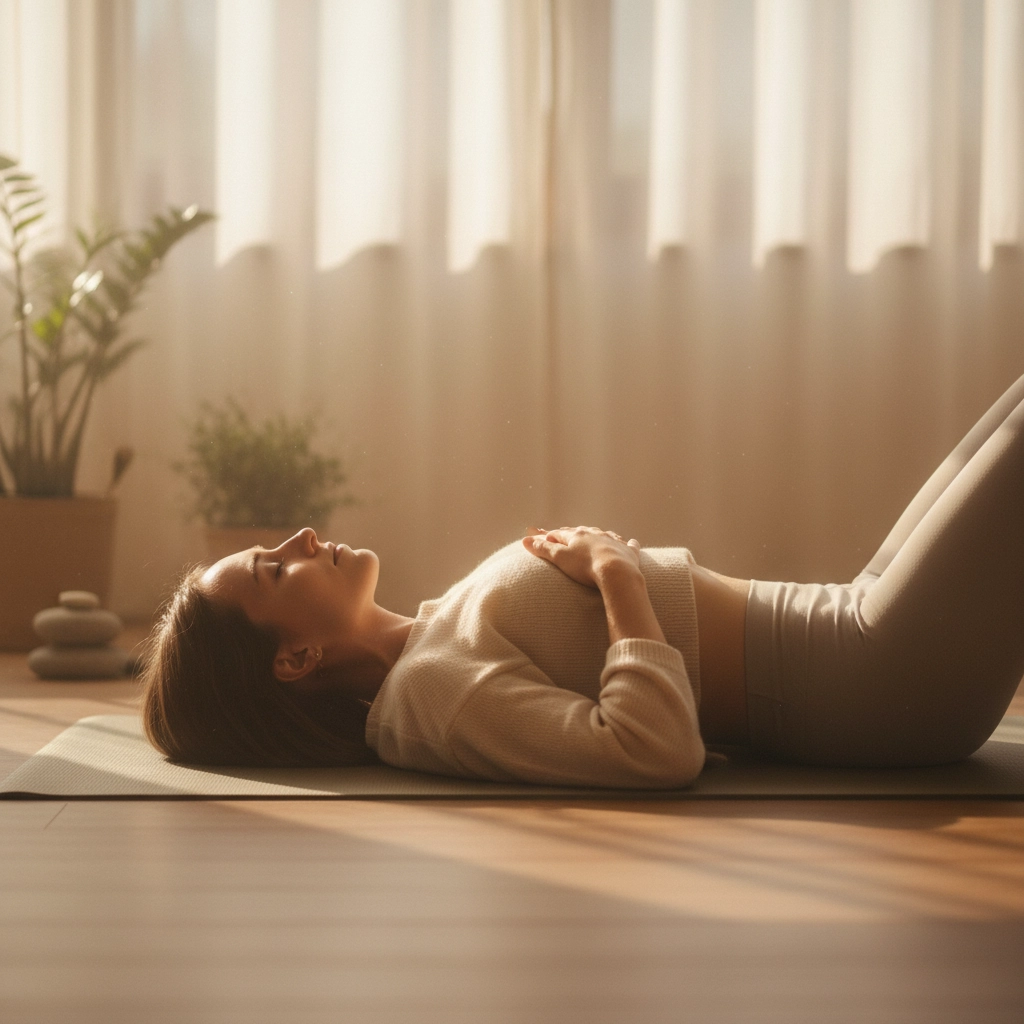
Most of us spend our days disconnected from this body wisdom. We live from the neck up, thinking our way through life. But tantra invites us to come home to our whole being.
The Problem with Performance-Based Approaches
Here's what happens when we treat tantra like a performance:
We get stuck in our heads, analyzing every sensation and wondering if we're "doing it right." We create pressure around experiences that are meant to be natural and flowing. We turn intimate connection into a technique we need to perfect.
This approach actually takes us further away from the essence of tantra, which is about surrendering to what's already alive in us. It's like trying to force a flower to bloom faster – you just end up damaging the natural process.
Performance-based tantra often focuses on external results: better orgasms, longer-lasting pleasure, more intense experiences. While these can be beautiful byproducts, they shouldn't be the main goal. When we chase specific outcomes, we miss the richness of what's happening right now.
7 Embodiment Practices That Actually Work
Ready to drop the performance pressure and start experiencing tantra as it was meant to be? Here are seven practices that will help you reconnect with your body's natural wisdom:
1. The Body Scan with Breath
Start simple. Lie down comfortably and slowly scan through your body from toes to head. But here's the key – don't try to change anything you find. Just notice. Tight shoulders? Notice them. Tingling in your belly? Feel it fully.
As you scan, breathe into each part of your body. Not forcing the breath, just allowing it to flow where your attention goes. This isn't about relaxation (though that might happen) – it's about developing awareness of what's actually happening in your body right now.
2. Movement Without Purpose

Put on some music and move your body however it wants to move. Not dancing to look good or following choreography – just letting your body express what it's feeling. Start with small movements. Maybe your shoulders want to roll. Maybe your hips want to circle. Maybe you just want to sway.
Let your body lead instead of your mind. If you feel silly or self-conscious, that's perfect – notice those feelings too. This practice helps you reconnect with your body's natural intelligence and creativity.
3. Sacred Self-Touch
This isn't about sexuality (though it can include that). It's about touching yourself with presence and reverence. Start with your hands. Really feel the texture of your skin, the temperature, the weight of one hand in the other.
Touch your arms, your face, your chest – wherever feels good. Touch with curiosity, not agenda. What does your body crave right now? Firm pressure? Gentle strokes? Just contact? Let your body tell you.
4. Emotional Body Mapping
Emotions aren't just mental experiences – they live in your body. When you feel angry, where does it live? In your jaw? Your fists? Your chest? When you feel joy, how does your body change?
Practice feeling your emotions as sensations rather than thoughts. When sadness comes up, notice – does your chest feel heavy? Does your throat tighten? This practice helps you stay connected to your emotional truth instead of getting lost in stories about your emotions.

5. Partner Gazing (If You Have One)
Sit comfortably facing your partner and simply look into each other's eyes. Not trying to communicate anything specific or create any particular feeling. Just looking and being looked at.
This practice strips away all the performance and gets you both present to what's actually here between you. It can feel vulnerable, silly, intense, or beautiful – all of these are perfect. Stay with whatever arises.
6. Energy Awareness Practice
Place one hand on your heart and one on your belly. Breathe naturally and start to notice the space inside your body. Can you feel energy moving? Warmth? Tingling? Aliveness?
Don't worry if you don't feel anything dramatic – energy can be very subtle. Maybe you just notice your heartbeat or the gentle expansion of breathing. The goal is developing sensitivity to the life force that's always moving through you.
7. Pleasure Without Goal
This is about experiencing pleasure for its own sake, not as a means to an end. Maybe it's savoring a piece of chocolate, taking a luxurious bath, or feeling sunlight on your skin.
The key is being fully present with pleasurable sensations without needing them to lead anywhere. Not building toward something or using pleasure to achieve a particular state – just receiving and enjoying what's offered in this moment.
Making It Real in Your Daily Life
These practices aren't meant to be add-ons to your already busy life. They're invitations to bring more presence to what you're already doing. You can practice embodiment while washing dishes, walking to your car, or having a conversation.
The magic happens when you stop treating your body like a vehicle to get you places and start experiencing it as your home. When you drop the performance pressure and start trusting your own experience.
Start with just one practice that calls to you. Do it regularly for a week and notice what shifts. Remember – there's no right way to do this. Your body's wisdom is unique to you, and it knows exactly what it needs.
Tantra isn't about becoming someone different or achieving some enlightened state. It's about coming home to who you already are, in the body you already have, in this moment that's already here. That's not a performance – that's just life, fully lived.

