


Here's a story that might sound familiar: You sit down to meditate, and immediately your back starts aching. Your mind wanders to that tight feeling in your shoulders from yesterday's stress. Your stomach grumbles. And you think, "If only I could just transcend this physical stuff and get to the real spiritual work."
Sound about right?
If so, you've fallen into one of the most pervasive myths in modern spirituality: that your body is somehow an obstacle to overcome on your spiritual path. But what if I told you that this belief is not only wrong, but it's actually keeping you from the very awakening you seek?
The Sacred Vessel You're Already In
In authentic tantric tradition, the body isn't something to transcend: it's the very vehicle through which awakening happens. The Sanskrit word "tantra" itself means "to weave" or "to expand," and what we're weaving together is precisely this: the physical and the spiritual, the human and the divine, the earthly and the cosmic.
Your body isn't a prison housing your soul. It's not a distraction from your "real" spiritual work. In tantric understanding, your body is literally sacred: a temple, a living mandala, the very place where consciousness meets form and magic happens.
Think about it this way: every sensation, every breath, every heartbeat is consciousness expressing itself through form. When you reject your body, you're essentially rejecting half of what you are. You're trying to play a symphony with only half the instruments.
Where Western Spirituality Went Wrong
Here's the thing: this body-versus-spirit battle isn't actually ancient wisdom. It's largely a product of certain Western philosophical and religious traditions that created a false separation between matter and spirit, physical and divine.
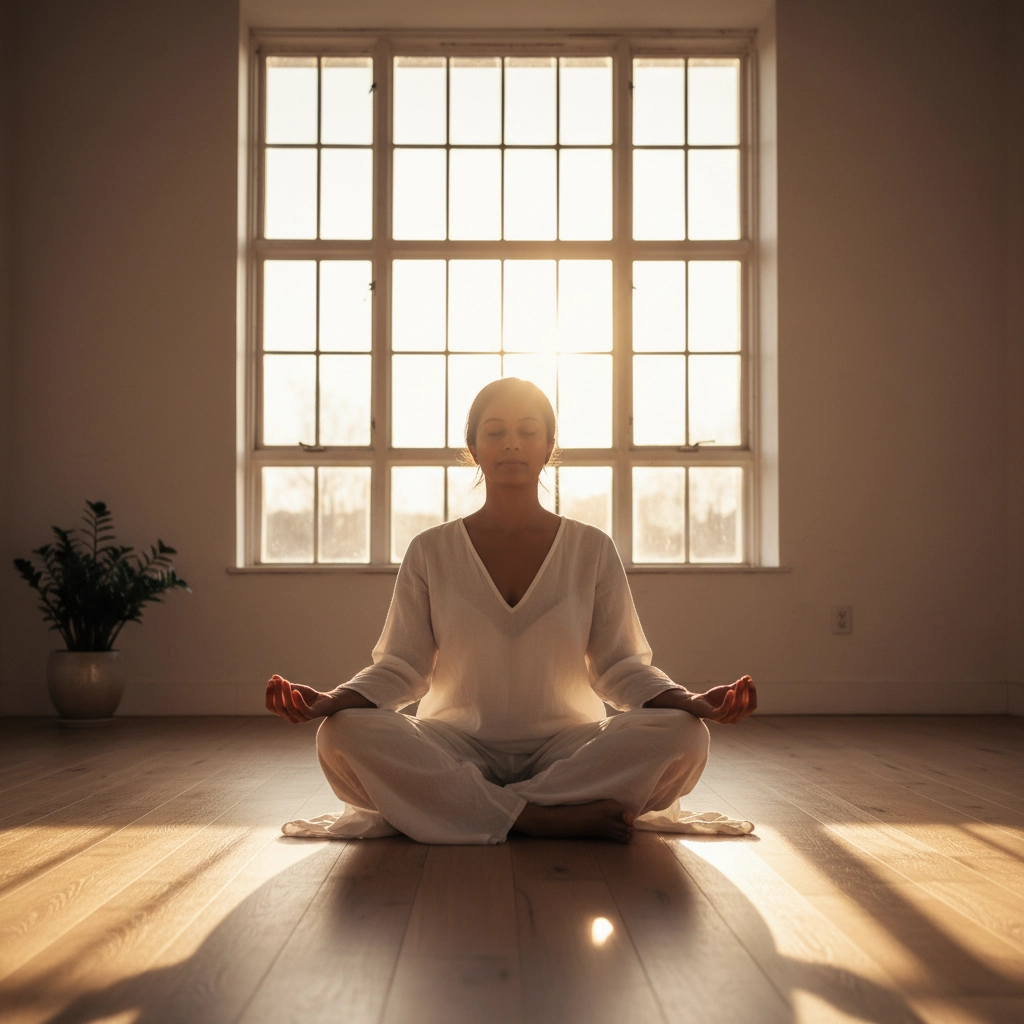
Many Eastern traditions, including tantra, never made this split. In Kashmir Shaivism (one of tantra's source traditions), the physical world isn't an illusion to escape from: it's the very manifestation of divine consciousness. Your body, with all its sensations and experiences, is consciousness in action.
But somewhere along the way, Western spiritual seekers got the message that "real" spirituality meant rising above the body, controlling it, or even ignoring it entirely. Meditation became about sitting still and going somewhere else. Spiritual growth became about transcending human experience rather than fully inhabiting it.
The result? A lot of spiritual practitioners walking around feeling split in half, fighting an internal war that doesn't need to exist.
How Your Body Actually Supports Awakening
Your body is constantly offering you direct access to the present moment: which is, after all, where all spiritual experience happens. Every sensation is an invitation to be here now. Every breath is a chance to connect with the rhythm of life itself.
Consider these ways your body actively supports your spiritual growth:
Your breath is your built-in meditation teacher. It's always available, always in the present moment, always connecting you to the life force flowing through you. You don't need to transcend breathing: you need to dive deeper into it.
Your emotions live in your body. That tightness in your chest when you're anxious, that warmth in your heart when you feel love, that pit in your stomach when something feels wrong: these aren't obstacles to spiritual insight. They're information, guidance, direct communication from your inner wisdom.
Your senses are portals to wonder. The taste of really good food, the feeling of warm sunlight on your skin, the sound of your favorite song: these aren't distractions from the divine. They're direct experiences of it. In tantric practice, pleasure isn't the enemy of awakening; it's one of its most powerful doorways.
Your sexuality is sacred energy. This might be the most controversial one in our shame-based culture, but in tantric understanding, sexual energy is literally life force energy. It's creative power, kundalini energy, the very force that animates existence. When honored consciously, it becomes a powerful tool for spiritual awakening.
Practical Ways to Honor Your Body as Spiritual Ally
So how do you shift from fighting your body to partnering with it? Here are some gentle, practical approaches:
Start with gratitude. Before your next meditation or spiritual practice, take a moment to thank your body. Thank your heart for beating, your lungs for breathing, your nervous system for processing experience. This simple shift in attitude can transform your entire relationship with your physical self.
Use sensation as an anchor. Instead of trying to escape bodily sensations during meditation, use them as points of focus. Feel your feet on the ground. Notice the air temperature on your skin. Let these sensations anchor you in the present moment rather than pull you away from it.
Move with awareness. Whether it's yoga, dancing, walking, or just stretching, let movement become a form of moving meditation. Pay attention to how your body feels, what it needs, how it expresses energy and emotion through movement.

Practice embodied breathing. Don't just breathe with your chest: let your whole torso expand and contract with each breath. Feel the breath moving through your entire body, energizing every cell, connecting you to the life force that animates everything.
Honor your body's wisdom. Start paying attention to what your body is telling you. Are you hungry? Tired? Tense? Instead of overriding these signals, see them as communication from your inner wisdom. Your body often knows what you need before your mind figures it out.
Embrace pleasure consciously. This doesn't mean indulging every impulse, but it does mean recognizing that pleasure: whether it's the satisfaction of a good meal, the joy of physical affection, or the delight of beautiful music: can be a doorway to connection with the divine when approached with awareness.
The Middle Path of Embodied Spirituality
This doesn't mean becoming indulgent or losing all discipline. In tantric practice, we're not talking about mindless hedonism or spiritual materialism. We're talking about conscious embodiment: bringing awareness, respect, and even reverence to your physical experience.
It's about finding the middle path between repression and indulgence, between spiritual bypassing and getting lost in purely physical pursuits. Your body has needs, rhythms, and wisdom that support your spiritual growth when you listen to them with discernment.
Sometimes your body needs rest when your mind wants to push forward. Sometimes it needs movement when your mind wants to stay still. Sometimes it needs nourishment, touch, or healing attention. Learning to honor these needs isn't distraction from your spiritual path: it's an essential part of it.
Your Body as Teacher
Perhaps most importantly, your body is one of your greatest spiritual teachers. It's constantly giving you feedback about your emotional state, your stress levels, your alignment with what truly serves you. It holds trauma that needs attention, wisdom that needs honoring, and pleasure that can open your heart to the beauty of existence.
When you start treating your body as an ally rather than an enemy, something beautiful happens: you become more integrated, more present, more fully yourself. You stop feeling split between your spiritual aspirations and your human experience. Instead, you discover that being fully human is itself a spiritual practice.
Your body isn't keeping you from enlightenment: it's offering you a direct path to it, through the gateway of this moment, this breath, this miraculous experience of being consciously alive in physical form.
The next time you sit down for spiritual practice, instead of trying to escape your body, try dropping more deeply into it. Feel your connection to the earth beneath you. Notice the incredible intelligence that keeps your heart beating and your systems functioning without any effort from your conscious mind. Marvel at the sensory richness available to you in every moment.
Your awakening doesn't require leaving your body behind: it happens by coming fully home to the sacred vessel you already inhabit. And that vessel? It's been waiting patiently for you to recognize its holiness all along.

