


You've probably heard someone describe their breathwork session as "better than ayahuasca" or "like taking mushrooms without the mushrooms." While that might sound like spiritual marketing speak, there's actually solid science behind why certain breathing techniques can genuinely create psychedelic-like experiences: no substances required.
But here's what most breathwork enthusiasts miss: according to authentic tantric wisdom, these altered states aren't the goal. They're doorways. And understanding this difference changes everything about how we approach these powerful experiences.
The Science Behind Breathwork's Psychedelic Effects
When you engage in intensive breathwork: whether it's holotropic breathwork, conscious connected breathing, or similar techniques: you're essentially hacking your nervous system through controlled hyperventilation. Recent neuroimaging studies have mapped exactly what happens in your brain during these sessions, and it's pretty remarkable.
The key player is carbon dioxide. When you breathe rapidly and deeply for extended periods, you dramatically reduce CO₂ levels in your blood. This reduction in end-tidal CO₂ pressure directly correlates with the onset of altered states of consciousness. Your brain, suddenly operating in this altered chemical environment, starts behaving very differently.

Researchers have found that breathwork creates "large and global reductions in blood flow" to most of the brain, while paradoxically increasing flow to specific emotional processing centers. Blood flow increases to the right amygdala and anterior hippocampus: areas responsible for processing emotional memories: while decreasing to the left operculum and posterior insula, regions that help you maintain awareness of your body's internal state.
This neurological shift creates what scientists call "Oceanic Boundlessness": a state characterized by spiritual feelings, enhanced insightfulness, blissful experiences, and profound sensations of unity. Sound familiar? These are the same markers researchers use to measure classical psychedelic experiences with substances like psilocybin.
What Tantra Actually Teaches About These States
Here's where modern breathwork culture often gets it wrong. In authentic tantric tradition, altered states of consciousness: whether achieved through breath, meditation, or other practices: are never the end goal. They're tools for transformation, doorways into deeper understanding, but not destinations to camp out in.
Traditional tantra views these experiences through the lens of vijnana: direct knowing or experiential wisdom. The altered state itself is just the beginning. What matters is what you do with the insights, how you integrate the experience, and whether it leads to genuine transformation in your everyday life.
Think of it like this: if a psychedelic-like breathwork experience is a vivid dream, tantra asks, "How does this dream change how you live when you're awake?"
This is why traditional tantric practices always emphasize integration and embodiment. The goal isn't to float in blissful altered states: it's to bring the wisdom from those states into your relationships, your work, your daily choices. Without integration, even the most profound breathwork experience becomes just another spiritual high.
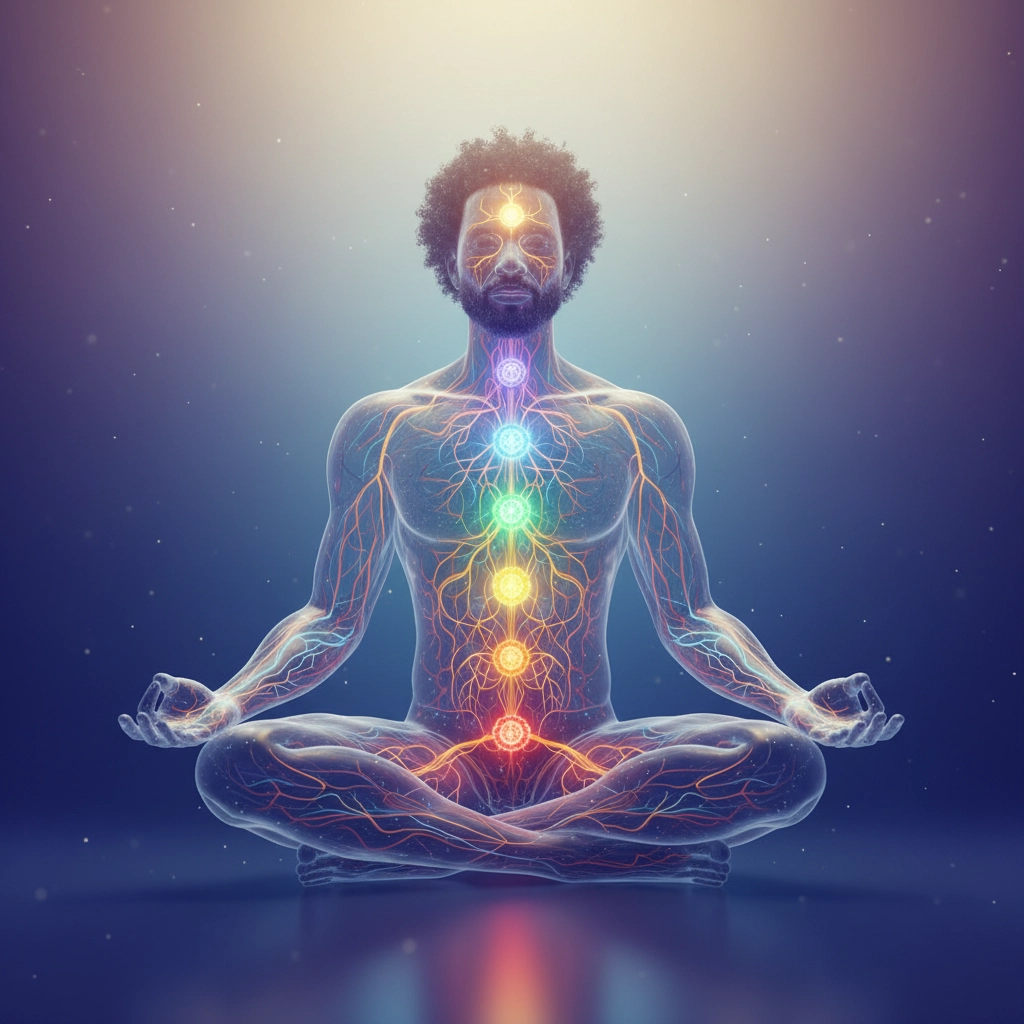
The Integration Problem
Modern breathwork culture sometimes falls into what tantric masters would call "spiritual materialism": collecting peak experiences like trophies without doing the harder work of integration. You see this in workshops where people chase increasingly intense states, or in social media posts that focus on the dramatic visuals and emotional releases rather than the subtle, long-term transformation.
Authentic tantra emphasizes that the real work begins after the altered state ends. How do you carry the compassion you felt during your session into a difficult conversation with your partner? How does the sense of interconnectedness you experienced translate into how you treat strangers? Can you access the peace you found in your breathwork when you're stuck in traffic?
This doesn't diminish the value of the initial experience: those profound states are often necessary catalysts for change. But tantra warns against mistaking the catalyst for the transformation itself.
Why These States Feel So Powerful
From a tantric perspective, breathwork-induced altered states feel so significant because they temporarily dissolve the barriers our minds usually maintain between self and other, between ordinary consciousness and expanded awareness. This dissolution gives us a glimpse of what tantric philosophy calls our "essential nature": the unchanging awareness that underlies all experience.
But here's the key insight: that essential nature isn't only accessible during intense breathwork sessions. According to tantra, it's your default state. The altered states simply remove enough mental noise that you can recognize what was always there.
This is why tantra emphasizes practices that cultivate this recognition in ordinary consciousness: through mindful daily activities, conscious relationship, and embodied presence. The breathwork experience shows you the territory, but you still need to learn how to navigate it in your regular life.
Safe Approach to Breathwork States
If you're drawn to exploring breathwork for its consciousness-altering potential, tantra offers some wise guidelines:
Start with intention, not intensity. Rather than seeking the most dramatic experience possible, set a clear intention for what you want to learn or heal. This helps frame the altered state as a tool rather than entertainment.
Prepare your container. Work with experienced facilitators, ensure you're in a safe physical environment, and have support for integration afterward. The intensity of these states requires proper holding.
Honor the integration phase. Plan for rest, reflection, and gradual re-entry into ordinary consciousness. Journal about insights, discuss experiences with trusted friends or teachers, and look for practical ways to embody what you've learned.
Don't chase the high. If you find yourself constantly seeking the next intense breathwork experience, pause and examine your relationship with altered states. Are you using them for genuine growth or as an escape from ordinary life?

The Doorway, Not the Destination
Perhaps the most important teaching tantra offers about breathwork-induced psychedelic states is this: they're pointing you toward something that's already available. The unity, peace, and expanded awareness you touch in these experiences aren't products of the breathwork: they're revelations of your fundamental nature.
The breathing technique simply creates conditions where you can recognize this truth more easily. But that same truth is accessible through conscious attention in any moment: while washing dishes, having a conversation, or sitting in meditation.
This perspective prevents both spiritual bypassing (using altered states to avoid dealing with practical life challenges) and spiritual materialism (collecting peak experiences as achievements). Instead, it frames these powerful experiences as invitations to discover the extraordinary within the ordinary.
Integration as Sacred Practice
In the tantric view, the period following an intense breathwork session is just as sacred as the experience itself. This is when the real transformation happens: not in the dramatic peak moments, but in the subtle ways you begin to show up differently in your life.
Pay attention to small shifts: maybe you respond to stress with more equanimity, feel more connected to your body, or find it easier to be present with difficult emotions. These quiet changes often matter more than the vivid visions or emotional releases that feel more significant in the moment.
Consider creating simple daily practices that help you stay connected to whatever wisdom emerged from your breathwork. This might be a few minutes of conscious breathing each morning, a gratitude practice, or simply pausing throughout the day to remember the sense of interconnection you experienced.
The goal isn't to maintain an altered state perpetually: that would be exhausting and ultimately counterproductive. Instead, it's to let the insights from those states gradually permeate your ordinary consciousness, creating sustainable transformation rather than temporary highs.
This ancient approach to working with altered states offers a mature framework for engaging with breathwork's powerful potential. It honors both the profound nature of these experiences and the importance of bringing their gifts fully into human life. After all, the most extraordinary thing isn't the altered state itself( it's how it changes the way you live.)

