


In the rich tapestry of Hindu spirituality, certain divine forms capture the essence of boundless generosity and grace. Varadavinayaka stands as one such magnificent manifestation: a deity whose very name whispers promises of blessings and fulfillment. As we explore this benevolent form, we discover not just a religious figure, but a living embodiment of divine compassion that continues to touch countless lives.
The Generous Heart of the Divine
Varadavinayaka, literally meaning "the giver of boons," represents one of the most beloved aspects of Lord Ganesha. The name itself carries profound meaning: "Varada" translates to "boon-giver" or "bestower of gifts," while "Vinayaka" refers to the supreme leader or remover of obstacles. Together, they create a divine identity that speaks directly to the human heart's deepest longings for guidance, success, and spiritual fulfillment.
This sacred form embodies the principle of divine generosity: the understanding that the universe, at its core, desires to support and nurture all beings. Unlike forms of divinity that might seem distant or demanding, Varadavinayaka approaches devotees with open hands and an open heart, ready to bestow blessings upon those who seek with genuine intention.

The Sacred Presence at Mahad
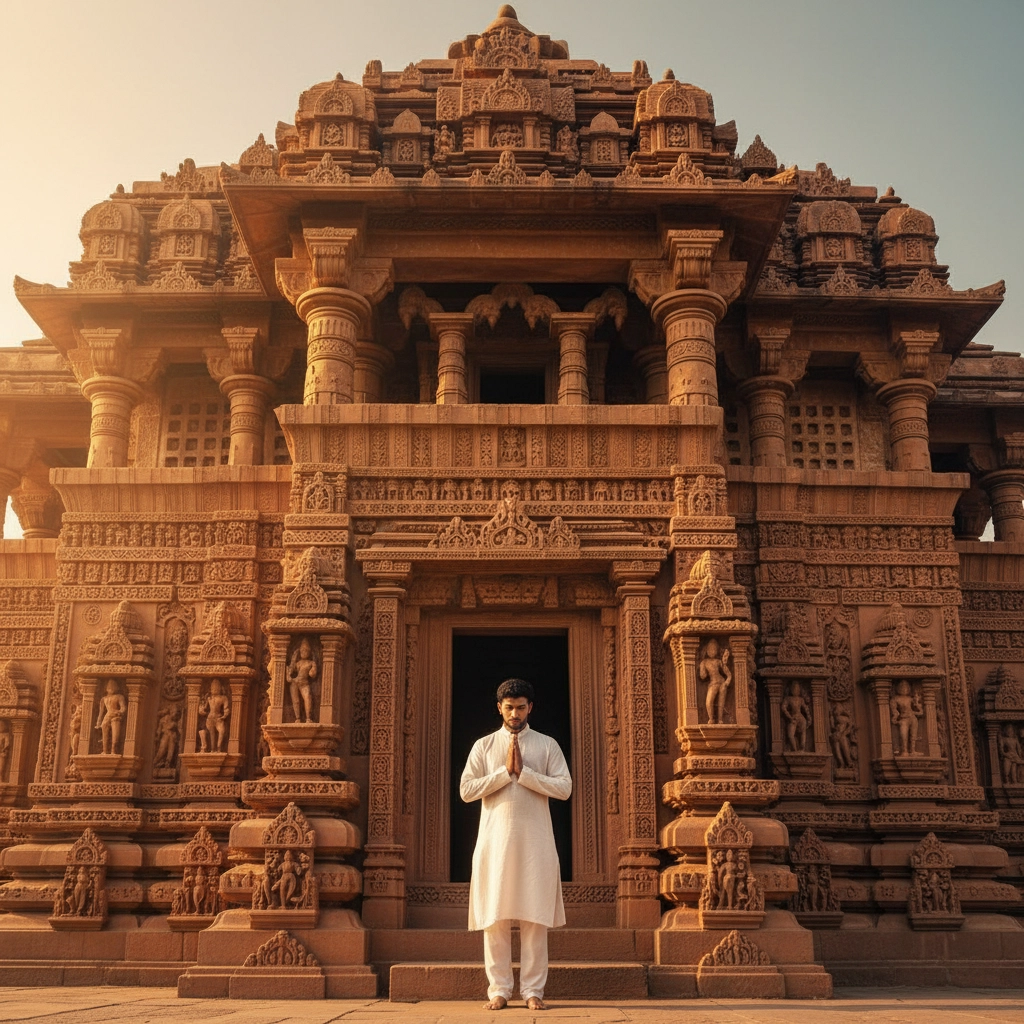
The most renowned manifestation of Varadavinayaka resides in the ancient temple of Mahad, nestled in Maharashtra's Raigad District. This sacred site, built in 1725 AD by Peshwa General Ramji Mahadev Biwalkar, stands as one of the eight revered Ashtavinayak temples: a pilgrimage circuit that devotees consider essential for spiritual completion.
What makes the Mahad temple extraordinary is not just its architectural beauty, but the profound story of divine revelation associated with it. In 1690 AD, a devoted soul named Shree Dhondu Paudkar discovered the sacred idol in a remarkable state: submerged in the waters of a nearby lake, yet perfectly preserved. This discovery wasn't seen as mere coincidence, but as a divine sign that Varadavinayaka had chosen this place to bless devotees for generations to come.
The temple's atmosphere reflects the deity's generous nature. Visitors often describe a sense of immediate peace and welcome, as if entering the home of a beloved elder who has been waiting to offer guidance and blessings. The architecture itself speaks to this accessibility: unlike some temples that inspire awe through grandeur, the Varadavinayaka temple creates intimacy through its grounded, approachable design.
The Legend of Sage Gritsamada
Behind every sacred site lies a story that illuminates its spiritual significance. The legend of Varadavinayaka centers around Sage Gritsamada, whose devotion and selfless desire created the foundation for this divine manifestation. According to ancient texts, Gritsamada performed intense penance in the Pushpak forest, not for personal gain, but with a vision that touched the very heart of divine compassion.
The sage's prayer was remarkable in its generosity: he asked that anyone who came to worship at this sacred spot would find success and fulfillment in their endeavors. This wasn't a request for personal blessings, but a plea for universal grace: that this place might become a fountain of divine support for all seekers, regardless of their backgrounds or circumstances.
Moved by such selfless devotion, Ganesha appeared in the form of Varadavinayaka and granted not only the sage's request but promised to remain permanently at this location. This divine commitment speaks to the nature of true spiritual generosity: once genuine love and devotion are offered, the divine response is eternal and unconditional.
The Art of Divine Generosity
Understanding Varadavinayaka requires grasping the spiritual principle of divine generosity that flows through all authentic spiritual traditions. This isn't about a deity who grants wishes like a cosmic vending machine, but rather a force of love that recognizes the deepest needs of each soul and responds with perfect wisdom.
The boons granted by Varadavinayaka often come in unexpected forms. A devotee seeking material success might receive the clarity to make better decisions. Someone praying for relationship harmony might discover the capacity for greater compassion within themselves. A student seeking knowledge might find not just intellectual understanding, but wisdom that transforms their entire approach to life.
This divine generosity operates on multiple levels simultaneously. On the surface, practical needs are met: obstacles are removed, opportunities arise, and life flows more smoothly. But the deeper gift is the gradual awakening of the devotee's own generous nature. In receiving divine blessings, one naturally becomes a conduit for blessing others.
The Sacred Practice of Receiving
Approaching Varadavinayaka requires understanding the art of receiving: something many spiritual seekers find surprisingly challenging. Our cultural conditioning often makes us feel unworthy of divine gifts, or we approach the divine with a transactional mindset that misses the point entirely.
True devotion to Varadavinayaka involves cultivating what spiritual teachers call "divine receptivity": the ability to open oneself completely to grace while maintaining humility and gratitude. This isn't passive waiting, but active preparation of the heart and mind to receive whatever blessings serve our highest good.
The traditional worship of Varadavinayaka includes specific practices designed to cultivate this receptivity. Devotees offer modak (sweet dumplings), symbolizing the sweetness they wish to receive and share. They present durva grass, representing growth and prosperity. Most importantly, they offer their sincere intentions and surrender their attachment to specific outcomes.

Pilgrimage as Transformation
The Ashtavinayak pilgrimage, which includes the Varadavinayaka temple, represents a journey of progressive transformation. Each of the eight temples reveals different aspects of divine grace, and Varadavinayaka's position in this sacred circuit is particularly significant: it teaches pilgrims how to receive blessings with proper understanding and gratitude.
Modern pilgrims often report that their visit to Mahad becomes a turning point in their spiritual journey. The experience of standing before this ancient deity, feeling the weight of centuries of devotion, and opening oneself to divine generosity creates profound shifts in consciousness. Many describe leaving with not just a sense of blessing received, but with a transformed understanding of their own capacity to be generous and supportive to others.
The pilgrimage tradition also emphasizes community and shared blessing. Groups of devotees travel together, supporting each other through the physical and spiritual challenges of the journey. This collective approach reflects Varadavinayaka's teaching that divine blessings are meant to be shared, not hoarded.
Timeless Wisdom for Modern Lives
In our contemporary world, marked by scarcity thinking and competitive anxiety, Varadavinayaka offers a radically different paradigm. This divine form teaches us that the universe operates from abundance, not lack, and that our role is to align ourselves with this generous flow rather than fighting against it.
The practical applications of Varadavinayaka's teachings extend far beyond formal religious practice. In business, relationships, creative endeavors, and personal growth, the principle of generous receptivity can transform outcomes. When we approach challenges with the confidence that divine support is available and the humility to receive guidance, solutions often emerge from unexpected sources.
The modern devotee of Varadavinayaka doesn't need to physically travel to Mahad to experience this divine generosity, though such pilgrimage certainly has its value. The essential practice involves cultivating daily awareness of the blessings already present in our lives while maintaining openness to greater good manifesting through us and for us.
Integration and Daily Practice
The wisdom of Varadavinayaka invites us to become living examples of divine generosity in our daily lives. This might manifest as the colleague who genuinely celebrates others' successes, the friend who offers support without expecting reciprocity, or the family member who creates space for everyone to flourish.
The spiritual practice associated with this divine form isn't complex or demanding. It begins with simple recognition: acknowledging the countless ways we already receive support from life itself. From the breath that sustains us to the relationships that nurture us, from opportunities that arise to challenges that strengthen us, life continuously offers boons to those who develop eyes to see them.
As we deepen this recognition, we naturally begin to embody the generous spirit of Varadavinayaka ourselves. We become people who others turn to for encouragement, wisdom, and support. We discover that in giving freely, we align ourselves with the cosmic principle of abundance that governs all true prosperity.
The legacy of Varadavinayaka reminds us that spirituality, at its highest expression, is not about personal achievement or individual salvation, but about becoming conduits for divine grace in the world. In this understanding, every blessing we receive becomes a blessing we can share, creating an endless cycle of generosity that uplifts all beings.
Through this ancient wisdom, we discover that we are not separate from the divine generosity we seek: we are expressions of it, called to embody and share the same boundless love that drew Sage Gritsamada to the sacred grove and continues to draw seekers to the temple doors of Mahad today.

