In the rich tapestry of Hindu spirituality, few stories capture the heart quite like that of Ballaleshvara. Unlike most divine manifestations that carry grand, Sanskrit names reflecting cosmic attributes, this beloved form of Lord Ganesha carries something far more personal – the name of a young boy whose devotion was so pure that the divine itself chose to be known by it forever.
Ballaleshvara represents a unique manifestation of Lord Ganesha, worshipped at the sacred temple in Pali village, Maharashtra. What makes this deity extraordinary isn't just the miracles associated with the shrine, but the beautiful truth that this is the only Ganesha temple in the world that takes its name from a devotee rather than a divine epithet. It's a testament to how genuine love and devotion can move mountains – or in this case, move the remover of obstacles himself.
The Story of Young Ballal
The legend begins in the village of Pali (formerly called Pallipur) with a young boy named Ballal, son of a wealthy merchant called Kalyansheth. While other children his age were busy with games and studies, Ballal felt drawn to something deeper. He discovered a simple stone formation in the nearby forest that reminded him of Lord Ganesha, and what started as casual visits soon blossomed into profound spiritual practice.
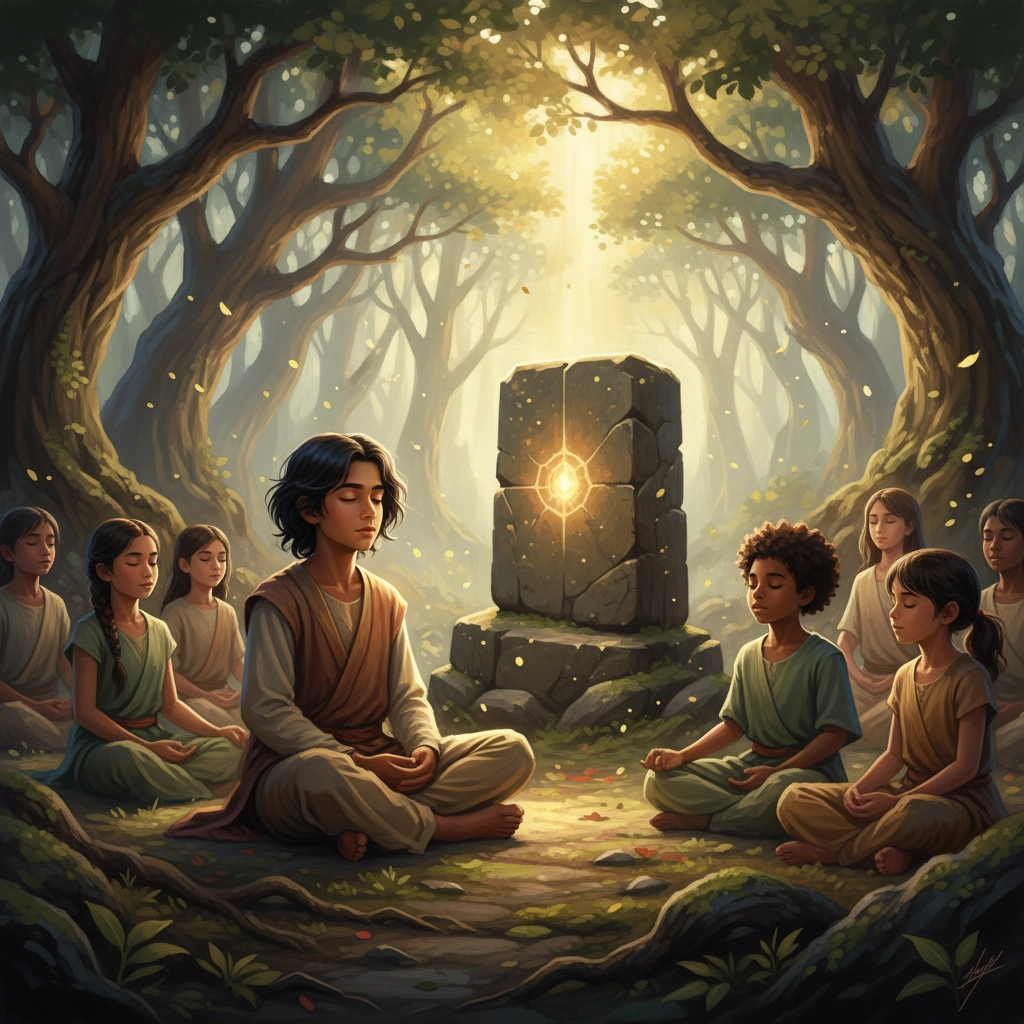
Every day, Ballal would gather his friends and head to this makeshift forest temple. They would spend hours in devotion, singing hymns, offering simple prayers, and losing themselves in the joy of worship. For Ballal, this wasn't just ritual – it was the most natural thing in the world, like breathing or laughing. The stone may have looked ordinary to others, but to him, it pulsed with divine presence.
However, not everyone appreciated Ballal's spiritual inclinations. His father, Kalyansheth, grew increasingly frustrated as his son returned home later each day, often missing meals and neglecting his worldly responsibilities. The other parents in the village began complaining too, worried that Ballal was leading their children astray with his "excessive" devotion.
A Father's Rage and Divine Grace
The situation reached a breaking point when Kalyansheth's anger finally boiled over. One afternoon, he stormed into the forest where Ballal sat peacefully in meditation with his young companions. What happened next was both heartbreaking and miraculous.
In his rage, Kalyansheth destroyed the simple temple his son had lovingly maintained. He hurled the stone idol away and turned his fury on Ballal himself, beating the boy so severely that blood flowed from his wounds. But even this wasn't enough to satisfy his anger. He tied his injured son to a tree and left him there, saying mockingly, "Let me see which God protects you now."
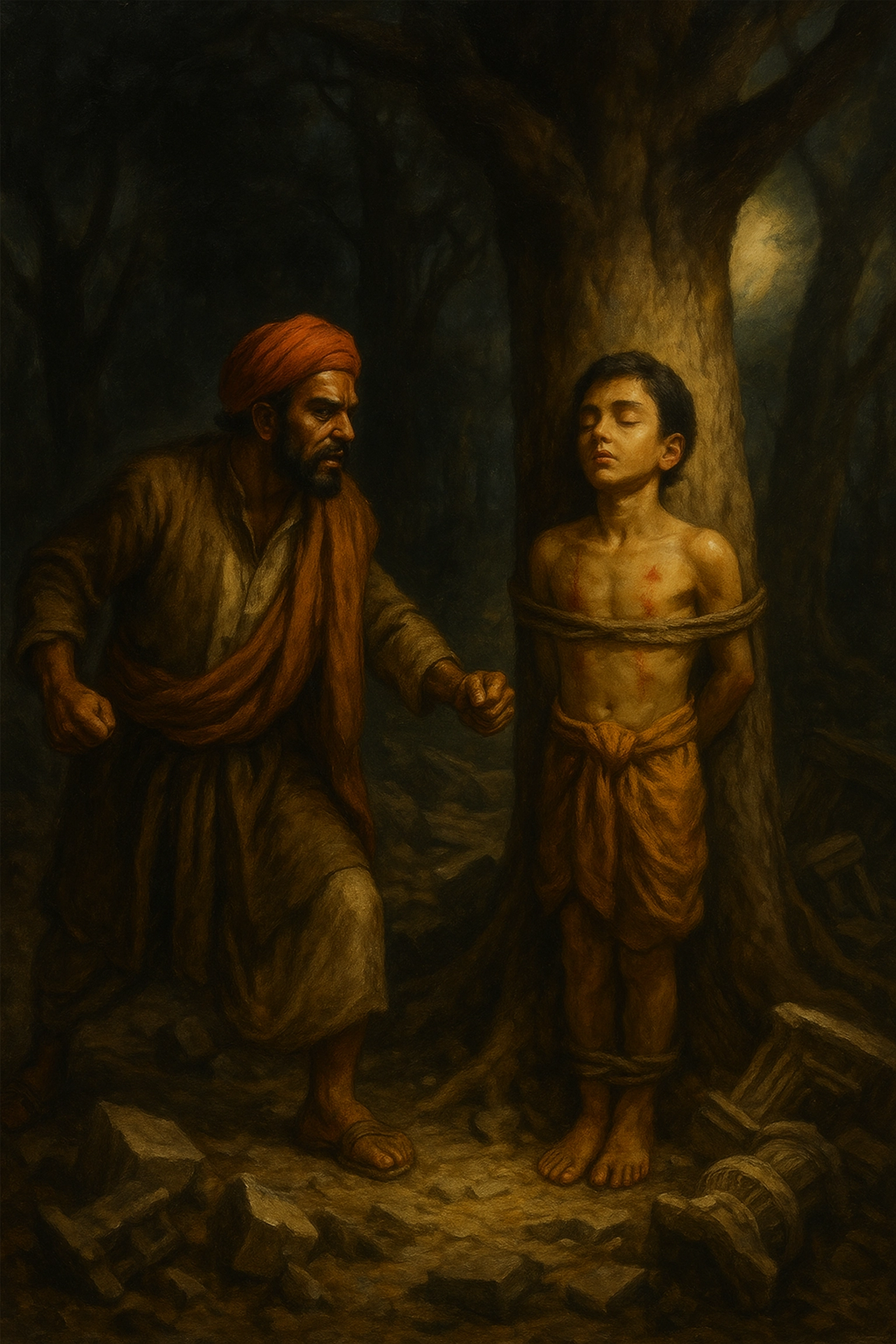
Imagine the scene: a young boy, bleeding and bound, abandoned by his own father in a deserted forest. Most children would have cried, cursed their fate, or begged for mercy. But Ballal's response revealed the true depth of his spiritual maturity. Despite his physical agony, thirst, and hunger, he continued chanting Ganesha's name. More remarkably, instead of anger toward his father, his primary concern was for the desecrated temple and the discarded idol.
It was then that Ballal made a pronouncement that would prove prophetic: whoever had destroyed the temple would become "blind, deaf, dumb, and hunchbacked." But even this wasn't spoken in vengeful spite – it was the natural consequence of disrespecting the divine.
When the Divine Responds
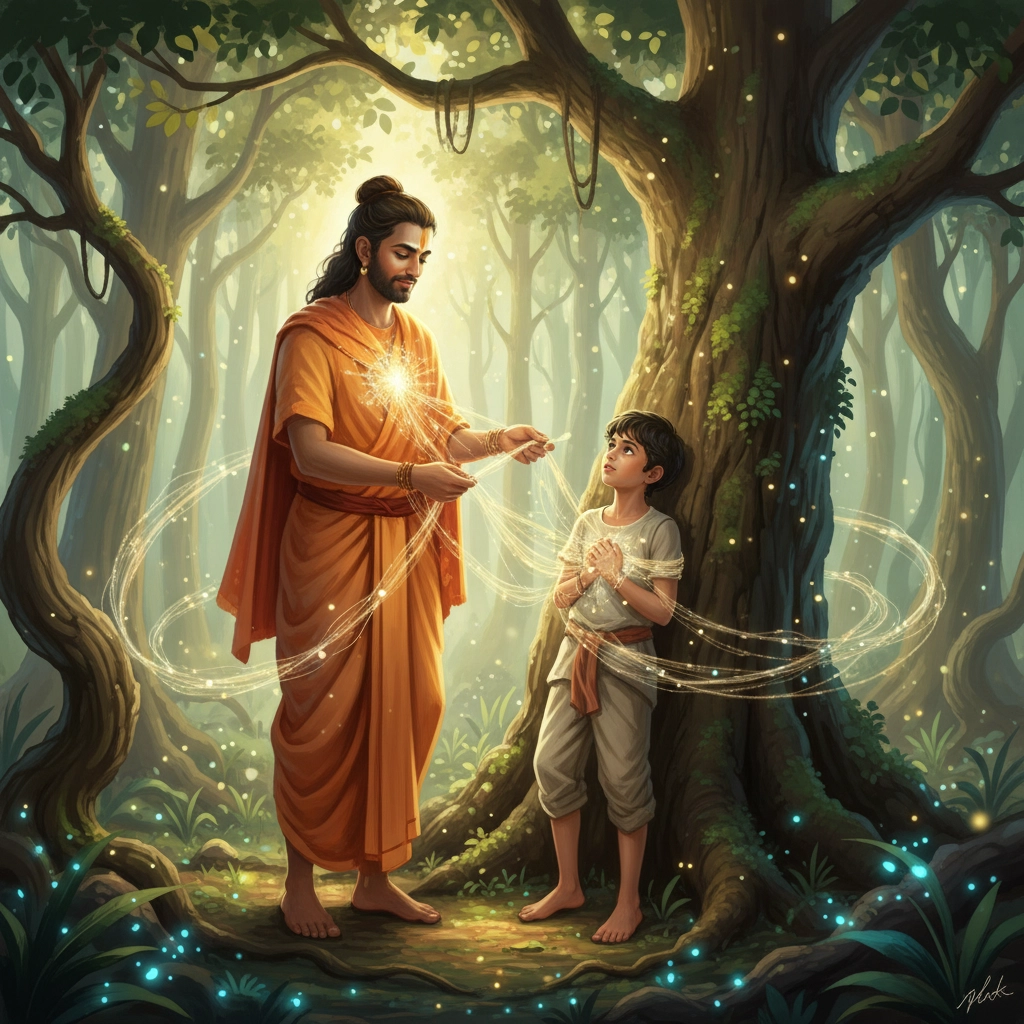
Devotion of such purity cannot go unnoticed by the cosmic forces. Moved by Ballal's unwavering faith in the face of tremendous suffering, Lord Ganesha himself decided to intervene. He appeared before the bound boy in the form of a simple sadhu – a wandering holy man.
The transformation was immediate and miraculous. As soon as the divine sadhu untied Ballal from the tree, all his wounds healed, his thirst and hunger vanished, and vitality coursed through his young body again. But Ballal, with the spiritual perception that comes from true devotion, recognized this wasn't just any sadhu. This was his beloved Ganesha in human form.
Ganesha, pleased with such recognition, offered Ballal any boon his heart desired. Here was the ultimate test – what would a young boy ask for when given unlimited divine power? Wealth? Revenge against his father? A comfortable life free from suffering?
Ballal's request revealed why he had attracted divine intervention in the first place. He asked for only two things: that his devotion remain unshakeable throughout his life, and that Ganesha remain in that place forever to help all who would seek refuge in him. It was a completely selfless wish, focused on spiritual growth and service to others.
A Promise That Changed Everything
Ganesha was so moved by this pure-hearted request that he made an unprecedented promise: "I shall ever remain here, and will take your name before mine, being worshiped as Ballal's Lord – BallalEshwar."
Think about the magnitude of this moment. The divine consciousness that removes obstacles for the entire universe promised to be known by the name of one devoted child. With a loving embrace, Ganesha vanished into a nearby stone, which immediately became a swayambhu (self-manifested) idol of Ballaleshwar.
This wasn't just a miracle – it was a cosmic recognition that genuine love transcends all boundaries, even those between human and divine. The boy who had been abandoned and beaten by his earthly father was embraced and eternally honored by the ultimate cosmic parent.
The Sacred Temple Today
The current Ballaleshwar temple, built in 1760 by the Maratha statesman Nana Fadnavis, stands as a testament to this extraordinary story. The structure itself is designed in the sacred 'Shri' shape to channel cosmic energy, with walls infused with lead for durability. The east-facing sanctum ensures that the first rays of dawn illuminate the diamond-studded eyes of the main idol each morning – a daily reminder of divine awakening.
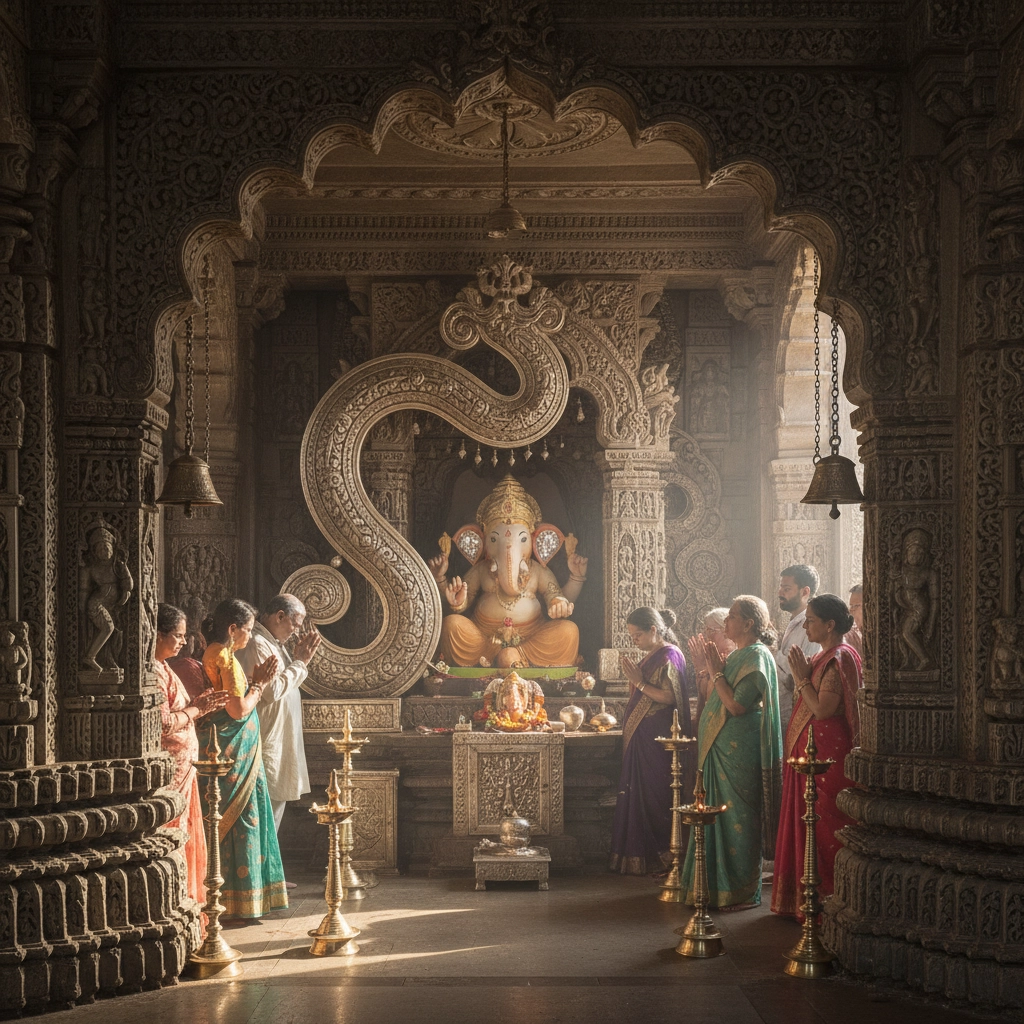
The main deity is carved from a single stone and depicts Ganesha in a meditative pose with his trunk curled to the left, positioned against a silver backdrop adorned with symbols of Siddhi (spiritual power) and Riddhi (prosperity). What makes the temple even more special is that it also houses the original stone that Kalyansheth threw away in anger – now worshipped as Dhundi Vinayak and honored before the main deity.
Part of the Sacred Ashtavinayak
Ballaleshwar holds the distinction of being part of the Ashtavinayak – a sacred pilgrimage circuit of eight Ganesha temples across Maharashtra. Each of these temples has its own legend and spiritual significance, but Ballaleshwar remains unique as the only one named after a devotee rather than a divine attribute.
The deity here is traditionally dressed as a Brahmin, further distinguishing it among the Ashtavinayaks. This simple detail carries deep meaning – it represents the accessibility of the divine, showing that spiritual realization doesn't require elaborate ceremonies or exclusive knowledge, just pure love and dedication.
Lessons for Modern Seekers
The story of Ballaleshvara offers profound insights for anyone on a spiritual journey today. In our fast-paced world, where spiritual practice often gets sidelined for "practical" concerns, Ballal's example reminds us that devotion isn't separate from life – it can transform every moment into something sacred.

The young devotee's story also teaches us about the power of genuine love over ritualistic worship. Ballal didn't have elaborate temples, expensive offerings, or learned priests guiding his practice. He had something far more valuable – sincere love for the divine that couldn't be shaken even by physical suffering.
Perhaps most importantly, the story shows us that the divine responds not to our demands or bargains, but to the purity of our hearts. Ballal asked for nothing material, and in return received everything spiritual – including the unprecedented honor of having his name eternally linked with divinity itself.
When we visit the temple in Pali today or simply remember this beautiful story, we're reminded that true spiritual practice isn't about impressing others or following complex procedures. It's about cultivating the same innocent, wholehearted love that moved a young boy to see divinity in a simple forest stone – and moved divinity itself to take his name forever.
In the end, Ballaleshvara isn't just about who this manifestation of Ganesha is, but about what each of us can become when we approach the divine with nothing but pure, selfless love. The boy from Pali showed us that anyone, regardless of age or status, can touch the infinite through genuine devotion. And sometimes, if we're very blessed, the infinite might just decide to be known by our name too.