


Walk into most yoga studios today, and you'll encounter one of two sales pitches: "Yoga for stress relief and nervous system regulation!" or "Spiritual yoga for mind-body-soul connection!" Both sound compelling. Both are missing the point entirely.
The truth is, authentic yoga encompasses both profound nervous system regulation AND sophisticated spiritual science: but in ways that would probably surprise both the wellness influencers and the mystical seekers. Most studios are serving up watered-down versions of each, creating what amounts to expensive stretching with either scientific buzzwords or spiritual platitudes sprinkled on top.
Let's break down what these approaches actually entail, why they matter, and how to find the real thing.
The Nervous System Regulation Trend: Real Science, Shallow Practice
The current obsession with yoga as "nervous system regulation" isn't wrong: it's just incomplete. The science backing yoga's impact on our nervous system is genuinely impressive. When practiced with specific techniques, yoga directly stimulates the vagus nerve, activating our parasympathetic nervous system (the rest-and-digest response) while calming the sympathetic nervous system's chronic fight-or-flight activation.
The mechanisms are sophisticated: yoga reduces inflammation by inhibiting inflammatory pathways, promotes neuroplasticity through enhanced brain-derived neurotrophic factor expression, and literally changes brain structure by increasing cortical thickness in regions related to mood and awareness. It measurably improves heart rate variability, deepens breathing patterns, and can shift someone out of trauma-based hypervigilance states.
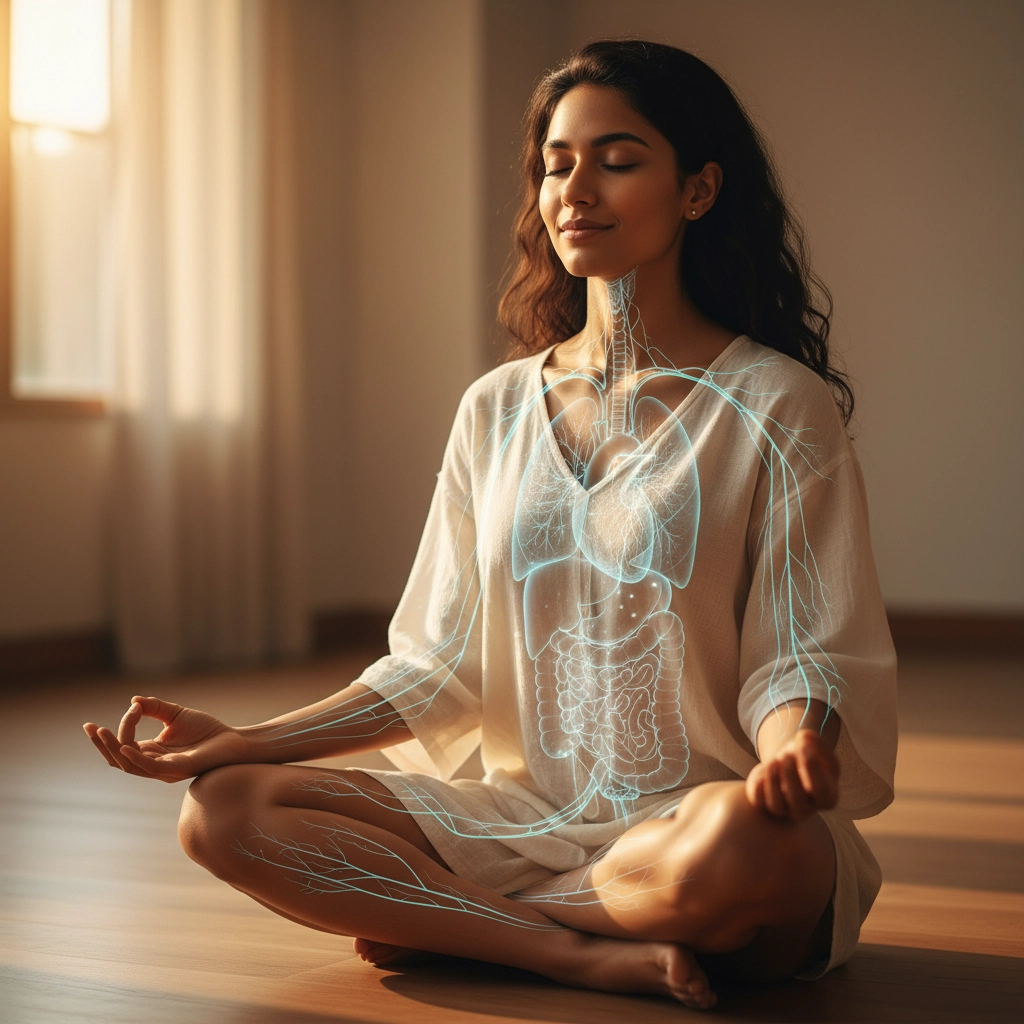
Here's where most studios miss the mark: they treat this as a happy side effect of any yoga practice rather than understanding it requires specific methodological precision. Authentic nervous system regulation through yoga involves particular breathing techniques, specific holding times, intentional sequencing, and focused attention practices. It's not something that happens automatically because you did some sun salutations and shavasana.
The Instagram-friendly version of "nervous system yoga" often amounts to gentle stretching while someone reminds you to breathe. Nice? Sure. Systematically regulating your nervous system? Not so much.
Yoga as Spiritual Science: Beyond Wellness Woo-Woo
The spiritual science approach to yoga represents something far more sophisticated than most Western practitioners realize. This isn't about lighting candles and feeling peaceful (though those might happen). It's about yoga as a systematic methodology for consciousness exploration and spiritual development.
Traditional yoga texts describe precise techniques for cultivating specific states of awareness, directing subtle energy, and ultimately transforming consciousness itself. The breath becomes not just a relaxation tool, but a bridge between physical and subtle states. Postures serve as specific configurations designed to direct attention and energy in particular ways. Meditation isn't stress relief: it's a methodical investigation into the nature of consciousness.
Research on yoga's spiritual dimensions shows measurable effects on hope, spiritual intelligence, presence, and awareness of body-mind connectedness. But the traditional approach goes deeper, recognizing these outcomes as stepping stones toward what practitioners describe as direct knowing of ultimate reality.
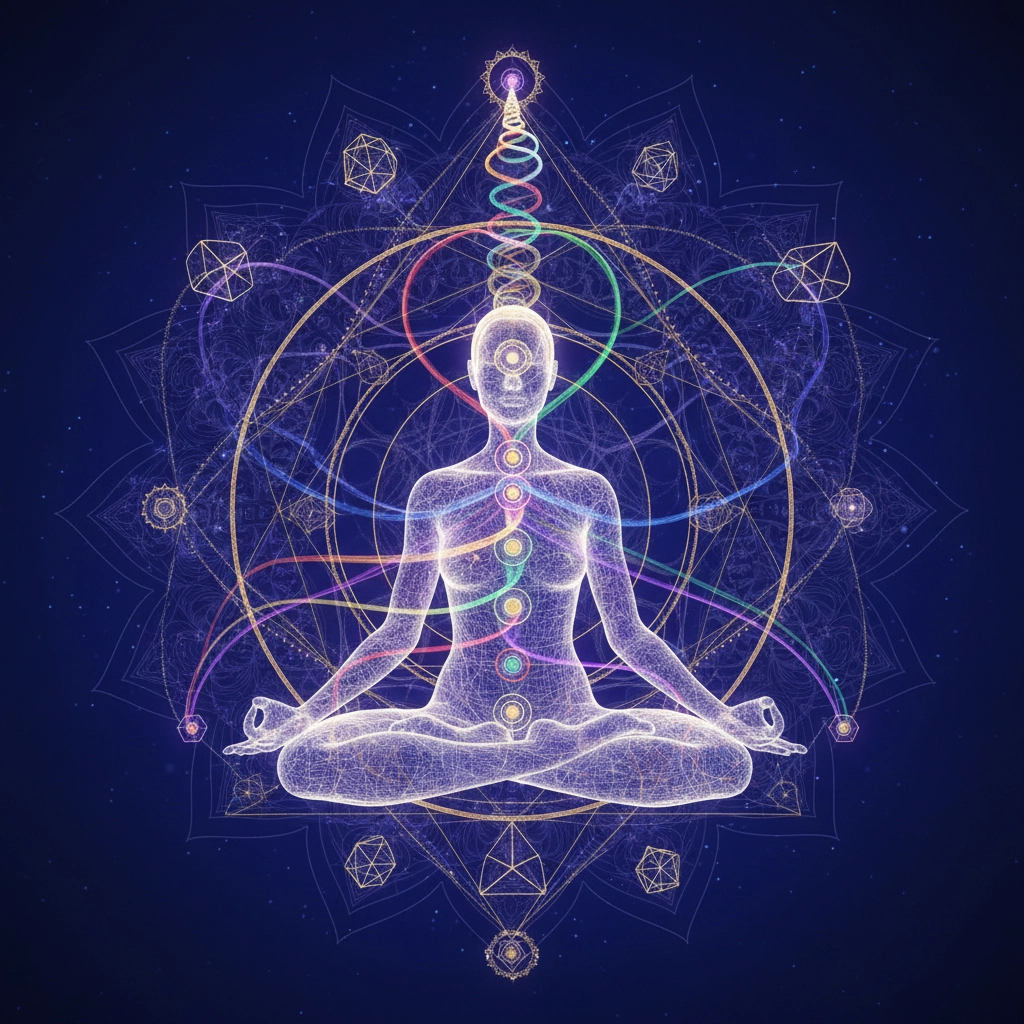
The key difference: spiritual science yoga requires what traditional systems call "transmission": a depth of understanding that emerges from sustained personal practice under authentic guidance. It's not something you can pick up from a weekend workshop or YouTube series.
Why Most Studios Teach Neither
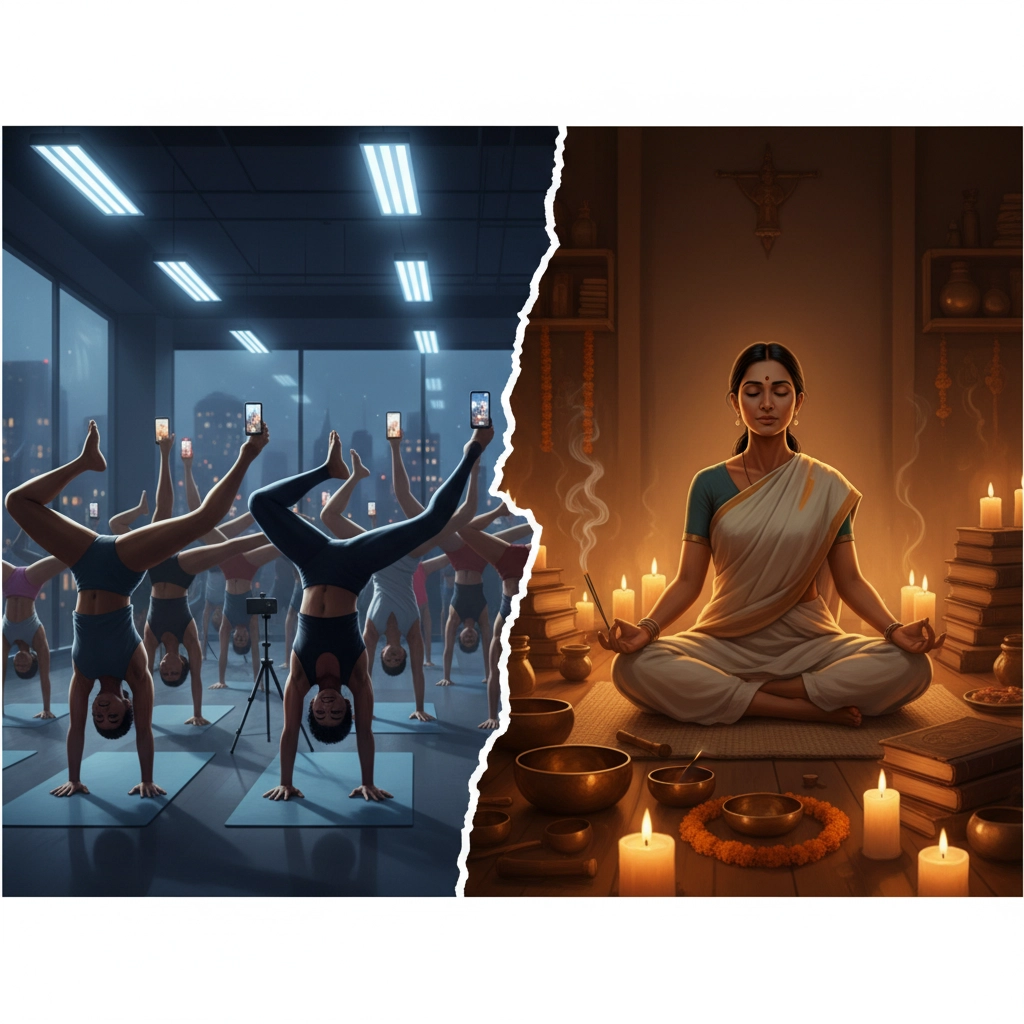
Here's the uncomfortable truth: the contemporary yoga industry has created a false choice between "fitness yoga" and "spiritual yoga," while delivering authentic versions of neither.
The Physical Gymnastics Problem
Most studios reduce yoga to what one traditional teacher aptly calls "physical gymnastics." They focus on postures, flexibility, and physical achievement while slapping on some nervous system language or spiritual concepts as marketing add-ons. This approach might produce some stress relief through movement, but it lacks the methodological precision required for systematic nervous system regulation or the depth necessary for genuine spiritual development.
You'll recognize this approach by its emphasis on "challenging" poses, physical perfection, and treating spirituality as optional seasoning rather than integrated methodology.
The Spiritual Bypassing Issue
On the other end, many studios offer spiritual concepts as intellectual add-ons to physical practice. They use Sanskrit terms, talk about chakras, and promote "mind-body-soul connection" without the rigorous practice foundation that makes spiritual development possible. This often becomes what's called "spiritual bypassing": using spiritual concepts to avoid deeper psychological or practical work.
The Missing Integration
Perhaps most significantly, studios miss that nervous system regulation and spiritual science aren't separate approaches: they're different perspectives on the same integrated practice. Authentic yoga recognizes that nervous system regulation provides the physiological foundation necessary for deeper spiritual work, while spiritual practice provides the motivational framework for nervous system healing.
Finding the Real Thing: A Practical Guide
So where does this leave sincere practitioners seeking authentic yoga? Here are some indicators to look for:
For Authentic Nervous System Work:
- Teachers who understand specific breathing techniques (not just "breathe deeply")
- Attention to sequencing and holding times based on physiological principles
- Knowledge of how different practices affect different nervous system states
- Less focus on Instagram-worthy poses, more focus on internal states
For Genuine Spiritual Science:
- Teachers with sustained personal practice under traditional guidance
- Emphasis on internal investigation rather than external performance
- Integration of philosophy, breath, movement, and meditation as unified methodology
- Recognition that spiritual development requires consistent, devoted practice over time
For Integrated Practice:
- Understanding that physical, energetic, and spiritual dimensions are interconnected
- Practices that honor both scientific precision and spiritual depth
- Teachers who can speak intelligently about both nervous system function and traditional yoga philosophy
- Emphasis on personal transformation rather than just stress relief or flexibility
The truth is, authentic yoga: whether you approach it through nervous system science or spiritual development: requires finding teachers and practices that honor both the rigorous methodology and transformative potential of this ancient system. It's not about choosing between science and spirituality, but finding approaches that integrate both with integrity and depth.
At Tantric Journey, we recognize that the most profound transformation happens when we honor both the sophisticated science of nervous system regulation and the time-tested methodology of spiritual development: not as separate practices, but as integrated aspects of yoga's complete potential.
Most studios are teaching neither because they've forgotten that yoga, at its core, is about transformation: not just relaxation, not just spiritual concepts, but systematic change that encompasses our entire being. The real thing is still available, but it requires looking beyond the marketing to find practices and teachers who understand yoga's complete methodology.
The future of authentic yoga practice lies not in choosing between these approaches, but in reclaiming the integrated wisdom that recognizes nervous system health and spiritual development as two faces of the same transformative process.

