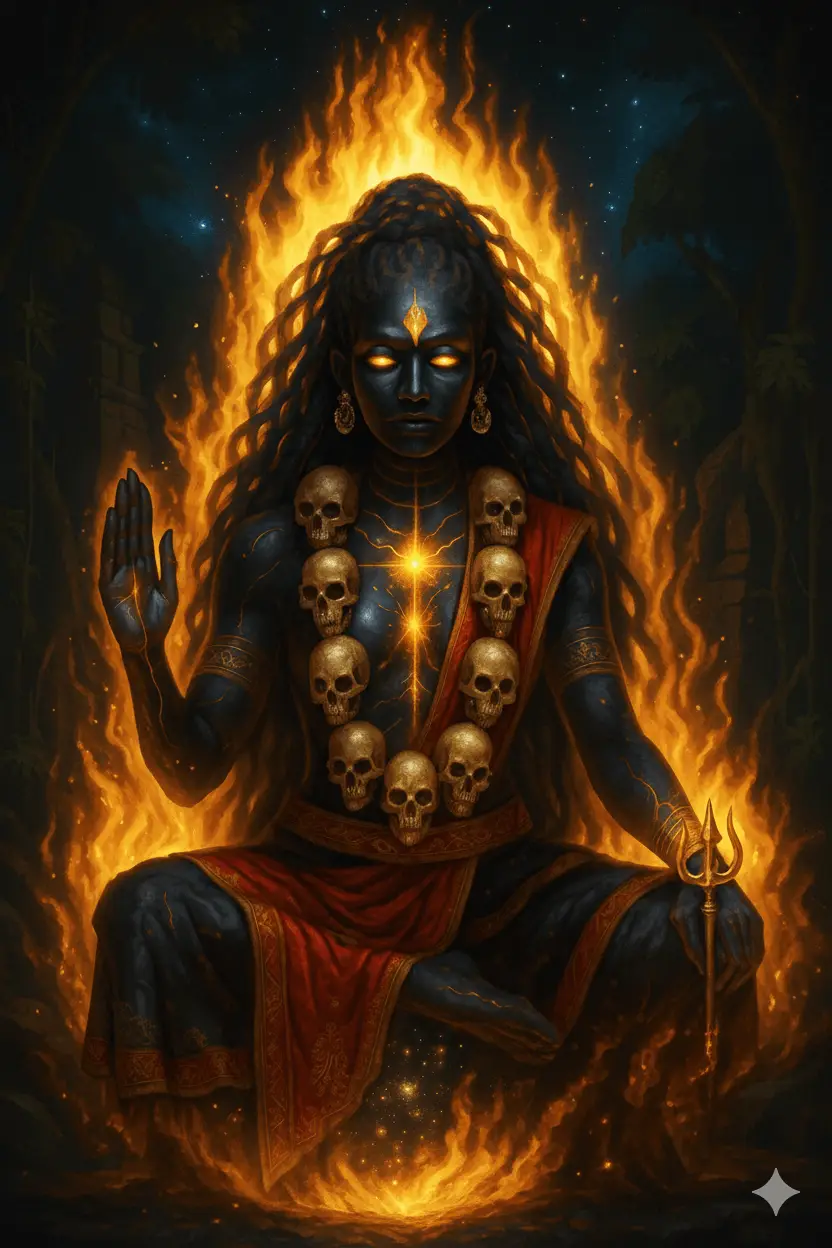


Let's get something straight from the start: the story of Tantra's origins is way more complex than most people realize. While the specific claim of "Tamil roots" isn't backed by clear scholarly consensus, the broader South Indian spiritual landscape, including Tamil regions, definitely played a role in shaping what we now call Tantra.
Here's the thing: when we dig into the actual history, we find that Tantra emerged from a beautiful, messy synthesis of traditions across the Indian subcontinent starting around the 5th-8th centuries CE. So while Tamil culture contributed to this mix, claiming it as the singular source would be oversimplifying a much richer story.
The Real Origins: A Multicultural Spiritual Revolution
Tantra didn't just pop up out of nowhere. It developed as a radical response to the spiritual gatekeeping of its time. Think about it, the established Vedic tradition was pretty exclusive, with its emphasis on priestly authority and rigid caste systems. Tantra said "nope" to all that and opened the doors to everyone.
The earliest Tantric practitioners were often outsiders themselves. Many were ascetics who lived at cremation grounds, probably from lower-caste backgrounds, and definitely non-Brahmanical. These folks were synthesizing practices from all over, Shaivism, local deity worship, tribal traditions, and yes, regional South Indian spirituality including what we'd now call Tamil influences.
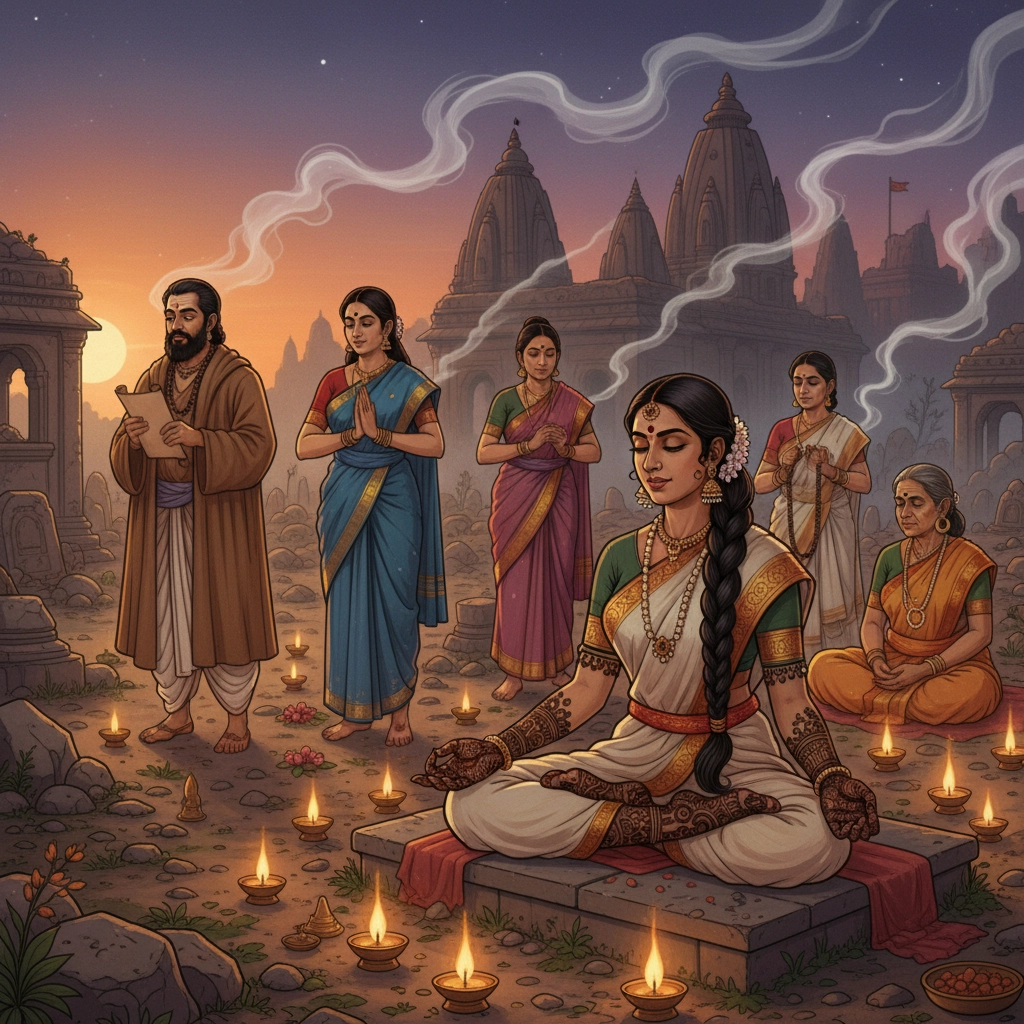
What made this movement so revolutionary was its democratic approach. Instead of needing a priest to connect with the divine, Tantra taught that everyone had direct access to spiritual transformation. This wasn't just happening in one region, it was spreading across the entire subcontinent.
South Indian Contributions: The Shakti Connection
Now, let's talk about what South India, including Tamil regions, actually brought to the table. The worship of fierce goddesses, which became central to many Tantric traditions, has deep roots throughout South India. The concept of Shakti as divine feminine energy was already alive and well in Southern traditions long before formal Tantric texts appeared.
Tamil Shaivism, with its rich devotional poetry and direct mystical experiences, definitely influenced the development of Tantric thought. The Tamil Siddha tradition, in particular, shared Tantra's emphasis on direct experience over theoretical knowledge. These Siddhas were experimenting with body-based practices, working with subtle energies, and pursuing spiritual transformation in ways that would later show up in formal Tantric systems.
But here's where it gets interesting, and this is crucial to understand, these weren't uniquely Tamil practices. Similar developments were happening across Kashmir, Bengal, Assam, and other regions. Each area contributed its own flavor to what would become the diverse world of Tantric traditions.
The Journey North: Kashmir and the Systematic Development
While South Indian spirituality contributed the devotional fire and goddess-centered practice, it was in Kashmir that Tantra got its most systematic philosophical development. Kashmir Shaivism took the experiential wisdom from various regional traditions and created sophisticated philosophical frameworks.
This is where we see the formal Tantras and Agamas being written, those famous dialogues between Shiva and Shakti that contain the technical teachings on meditation, yoga, and spiritual practice. The Kashmir masters weren't starting from scratch; they were synthesizing wisdom that had been bubbling up across India for centuries.
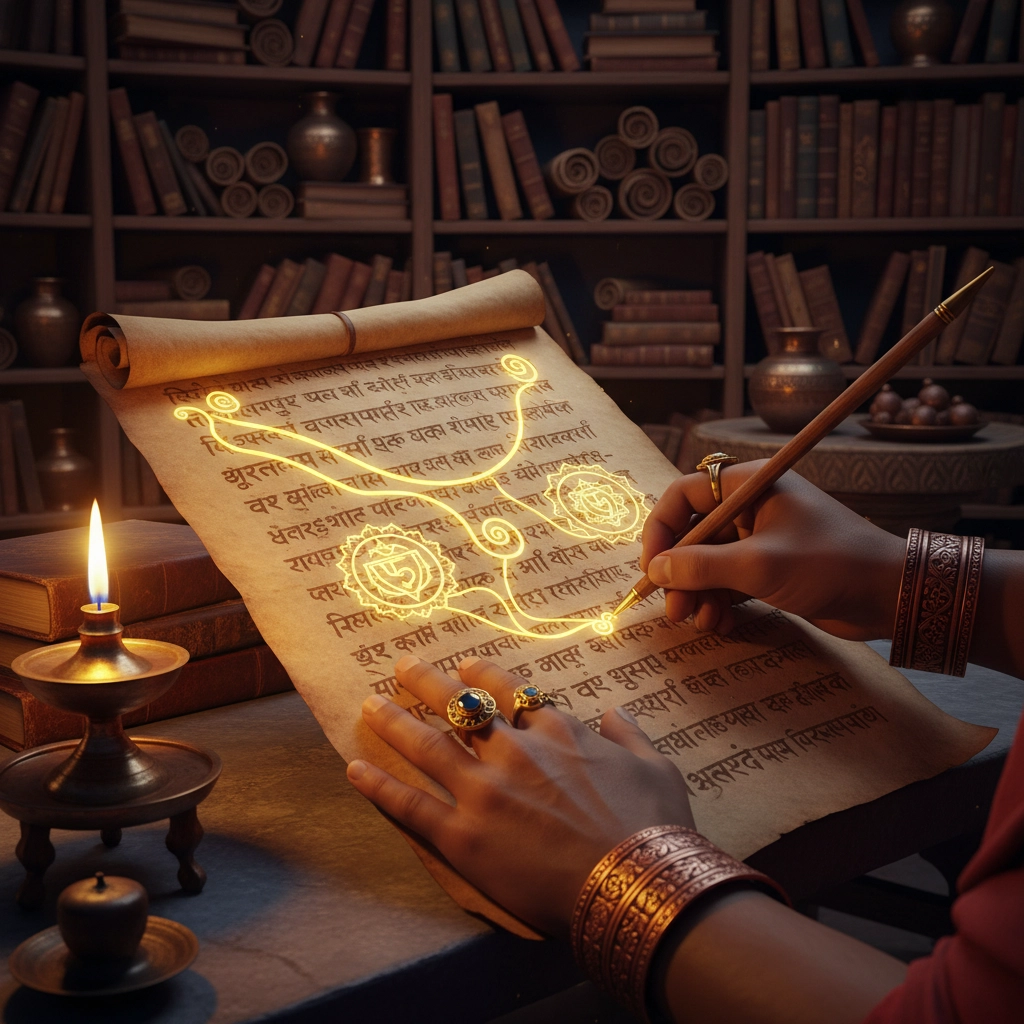
The beauty of this development is how it preserved the democratic spirit of early Tantra while giving it intellectual rigor. You could be a simple practitioner following basic techniques, or a scholar diving deep into philosophical subtleties, both paths were valid.
The Great Migration: How Tantra Traveled West
Fast-forward a few centuries, and we start seeing Tantric ideas making their way west through various channels. The British colonial period brought Sanskrit scholars to Europe, though they often completely misunderstood what they were translating. Then came the waves of Indian spiritual teachers in the 20th century, each bringing their own interpretation of these ancient practices.
This is where things get complicated, and where a lot of cultural distortion started happening. Western seekers were hungry for spiritual practices, but they often cherry-picked what appealed to them while ignoring the cultural and philosophical context that made these practices meaningful.
The Tamil connection comes back into play here through modern teachers and lineages that trace their roots to South Indian traditions. But by this point, we're dealing with practices that have been filtered through centuries of development, colonial influence, and cross-cultural translation.
Modern Distortions: What We Lost in Translation
Let's be honest about what happened when Tantra hit the West. The focus shifted almost entirely to sexual practices, as if that's all Tantra was about. While sexuality is part of some Tantric paths, reducing the entire tradition to bedroom techniques is like saying Christianity is just about bread and wine.
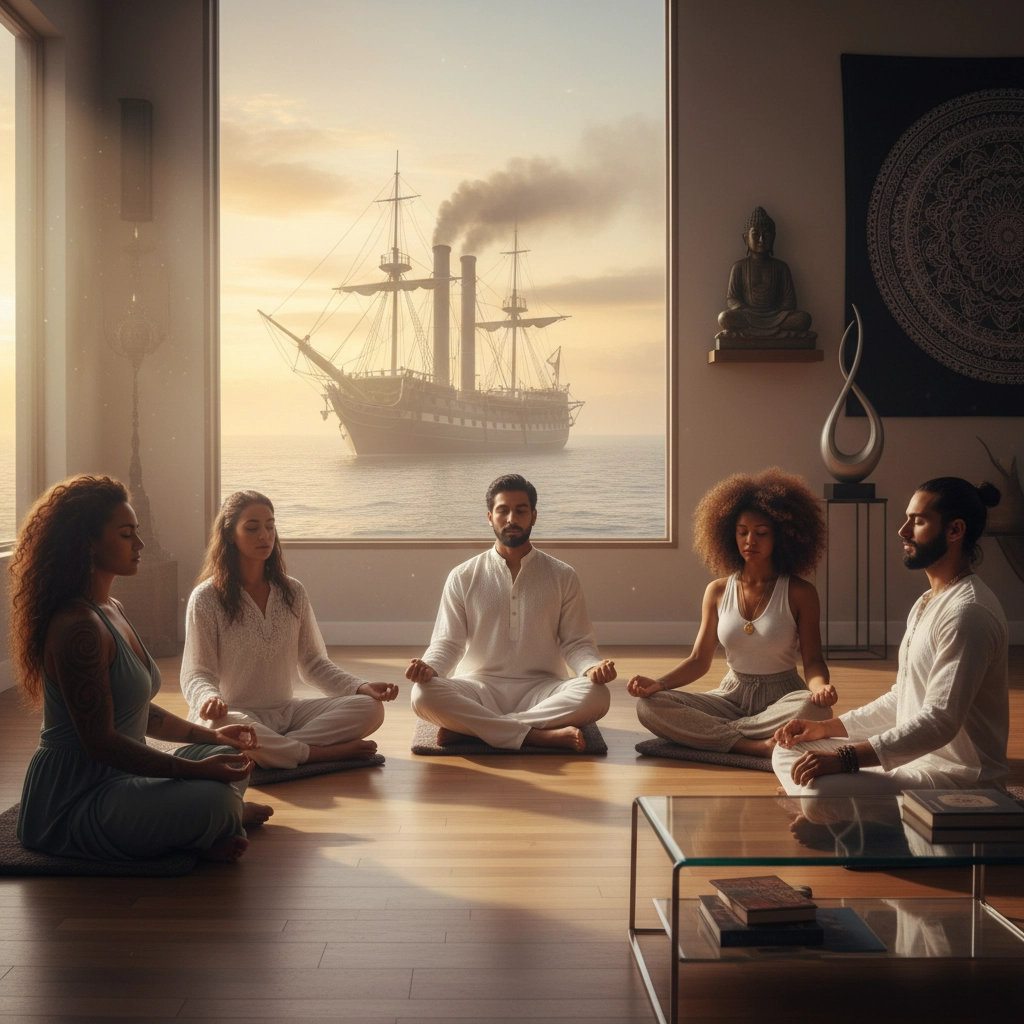
The therapeutic model also created distortions. Western psychology tried to fit Tantric concepts into frameworks of trauma healing and nervous system regulation. These applications can be helpful, but they're missing the transformative spiritual context that gives these practices their real power.
And then there's the commodification issue. Weekend workshops promising "authentic Tantra" became big business, often taught by people with minimal understanding of the tradition's depth and complexity. The result? A lot of confused seekers and a lot of watered-down practices.
What Authentic Practice Actually Looks Like
So what does it mean to practice Tantra authentically in the modern world? It doesn't mean you need to move to India or learn Sanskrit (though those aren't bad ideas). It means approaching the tradition with respect, context, and genuine commitment to transformation.
Authentic Tantric practice involves:
Working with your whole being, not just your sexuality or emotions. Traditional Tantra sees the body, energy, mind, and consciousness as interconnected aspects of one reality.
Understanding the philosophical context. You don't need a PhD, but knowing something about non-dualism, the nature of consciousness, and the role of Shakti makes all the difference.
Finding qualified guidance. This doesn't mean expensive certifications, but learning from people who've spent years studying and practicing, preferably within established lineages.
Embracing the challenging aspects. Real Tantra isn't all bliss and light. It includes working with difficult emotions, shadow material, and the parts of yourself you'd rather avoid.
Moving Forward: Integration Without Appropriation
Here's the thing about cultural origins: they matter, but not in the way most people think. Understanding that Tantra emerged from a complex interplay of Indian regional traditions (including Tamil influences) helps us approach it with appropriate respect. But getting caught up in proving specific cultural ownership can become another form of spiritual materialism.
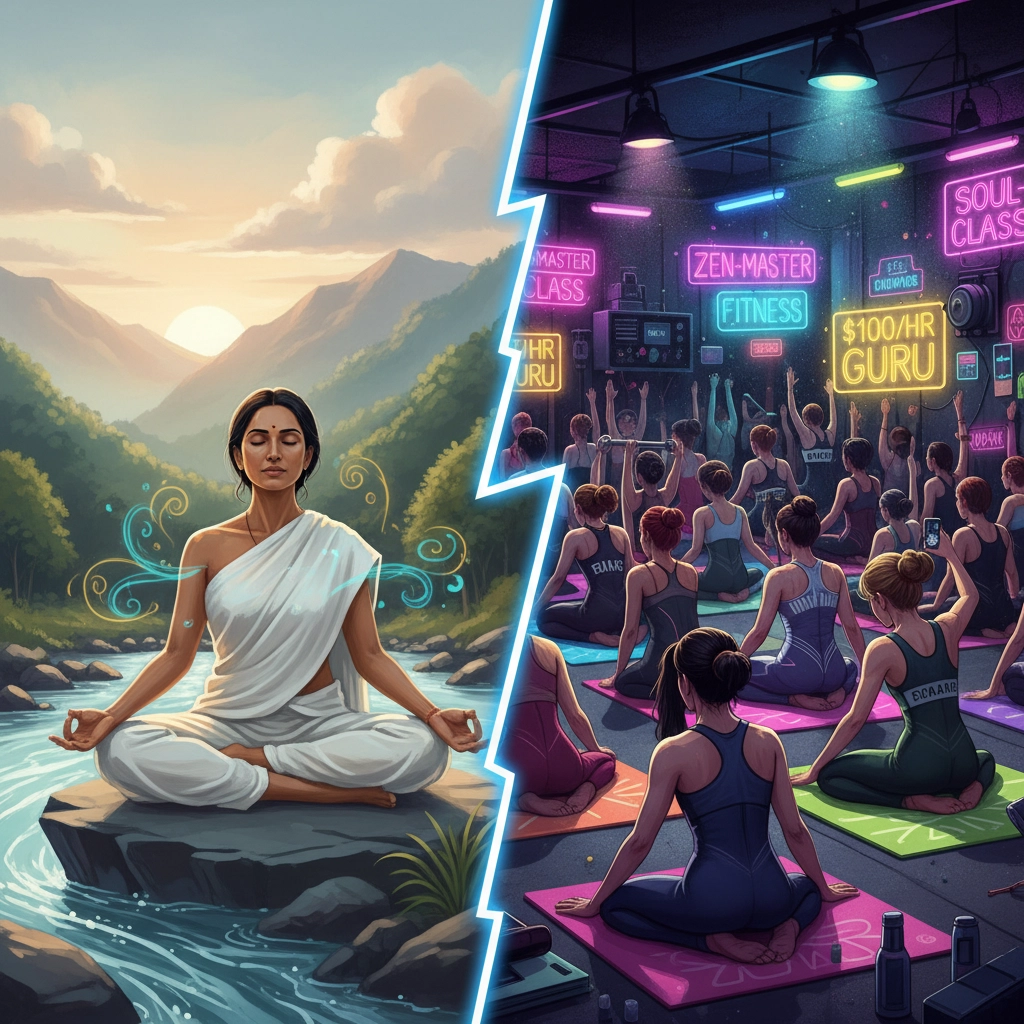
What matters more is whether your practice is serving genuine transformation. Are you becoming more conscious, compassionate, and integrated? Are you dealing with your stuff instead of using spirituality to bypass it? Are you approaching the tradition as a student rather than a consumer?
The path from ancient South Indian spirituality to your modern practice doesn't have to be a straight line. It's more like a river that's picked up minerals and nutrients from all the terrain it's crossed. The water you're drinking now contains elements from all those places, but it's also something entirely new.
The Living Tradition
The most beautiful thing about authentic Tantric practice is that it's not a museum piece. It's a living tradition that continues to evolve while staying true to its essential insights. Whether you're drawn to the devotional fire of Tamil Shaivism, the philosophical precision of Kashmir Tantra, or the practical techniques of Hatha Yoga, you're participating in a lineage of seekers who've been exploring consciousness for over a millennium.
The key is approaching this exploration with humility, curiosity, and respect for the cultures that preserved these teachings through centuries of upheaval. When you do that, the practices themselves will teach you what you need to know about their origins: not through intellectual understanding, but through direct experience of the consciousness they're designed to reveal.
That's the real gift of Tantra, regardless of which regional tradition contributed what elements: it's a technology for awakening that works across cultures and centuries, as relevant today as it was when those first practitioners sat in cremation grounds, figuring out how to transform human consciousness through direct engagement with reality.

