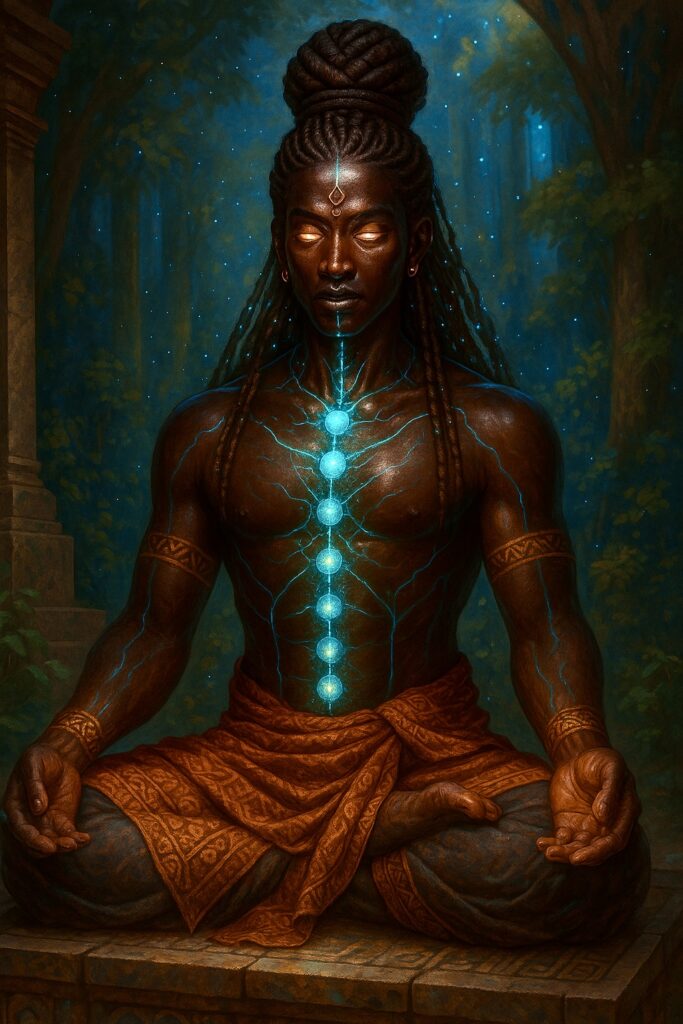

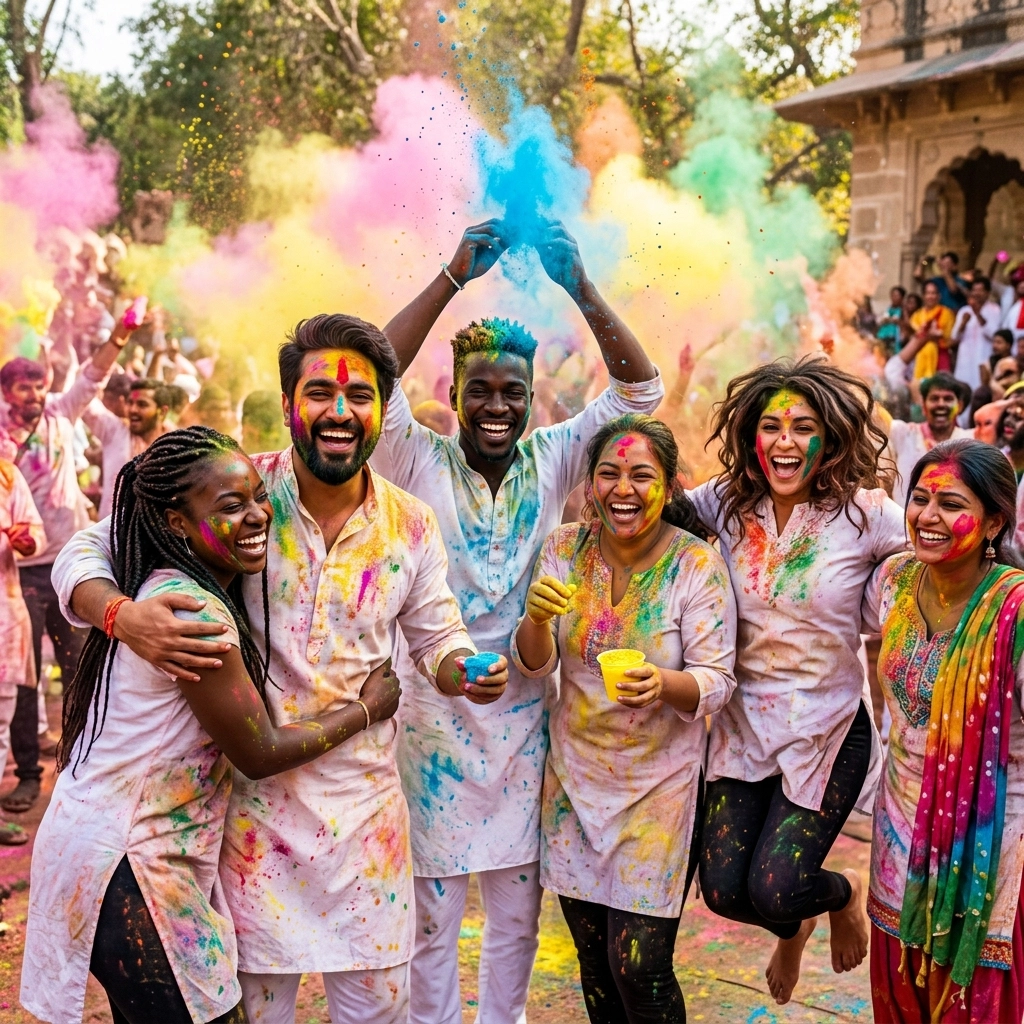
If you look at social media during the month of March, you’ll see thousands of images of people covered in neon powders, smiling for the camera, and participating in what the West has sanitized as a "Color Run." It looks like a party. It looks like a celebration of spring. But for those walking the path of Tantra and seeking the uncompromising truth of the soul, Holi is something far more radical. It is not a festival; it is a technology. Specifically, it is the technology of the "Great Reset."
At Tantric Journey, we often talk about stripping away the layers of the false self. We spend months in meditation, years in study, and lifetimes trying to dismantle the ego. Holi is the moment when the universe provides a collective window for this dismantling. It is a psychological and spiritual reset button designed to dissolve boundaries, burn away stagnant desires, and remind us of the ultimate reality that lies beneath our social costumes.
The First Level: Prahlad and the Fire of Devotion
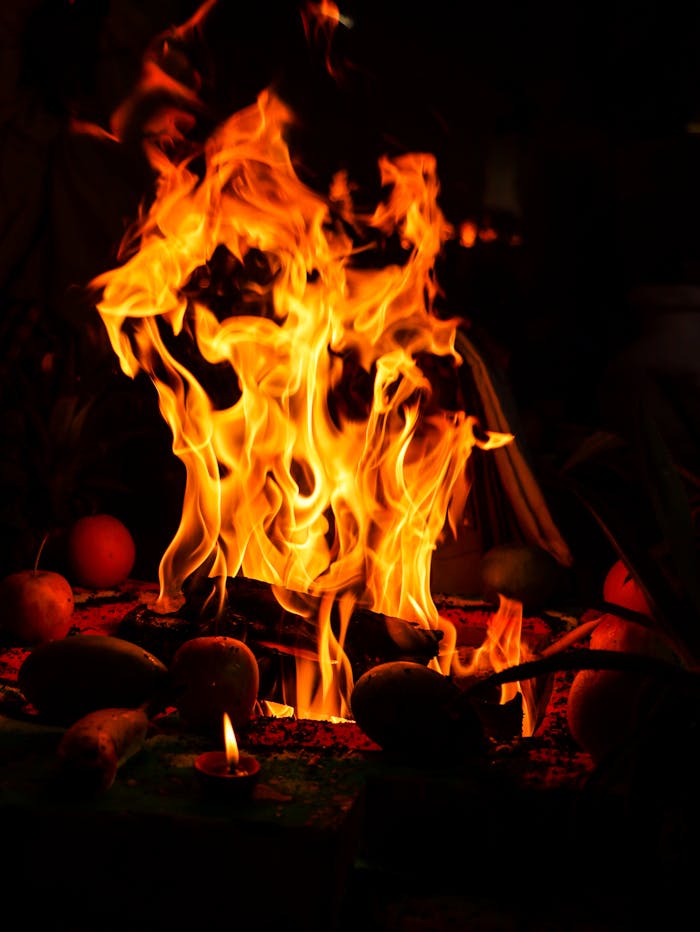
To understand why we light a bonfire (Holika Dahan) the night before the colors come out, we have to look at the story of Prahlad. This isn't just a children’s moral tale; it is a map of the human psyche. Prahlad was a devotee of the Divine, while his father, Hiranyakashipu, was the ultimate representation of the ego: convinced he was God, demanding worship, and fueled by the illusion of his own immortality.
When Hiranyakashipu’s sister, Holika, who was supposedly immune to fire, sat in the flames with Prahlad to kill him, it was Holika who burned and Prahlad who emerged untouched.
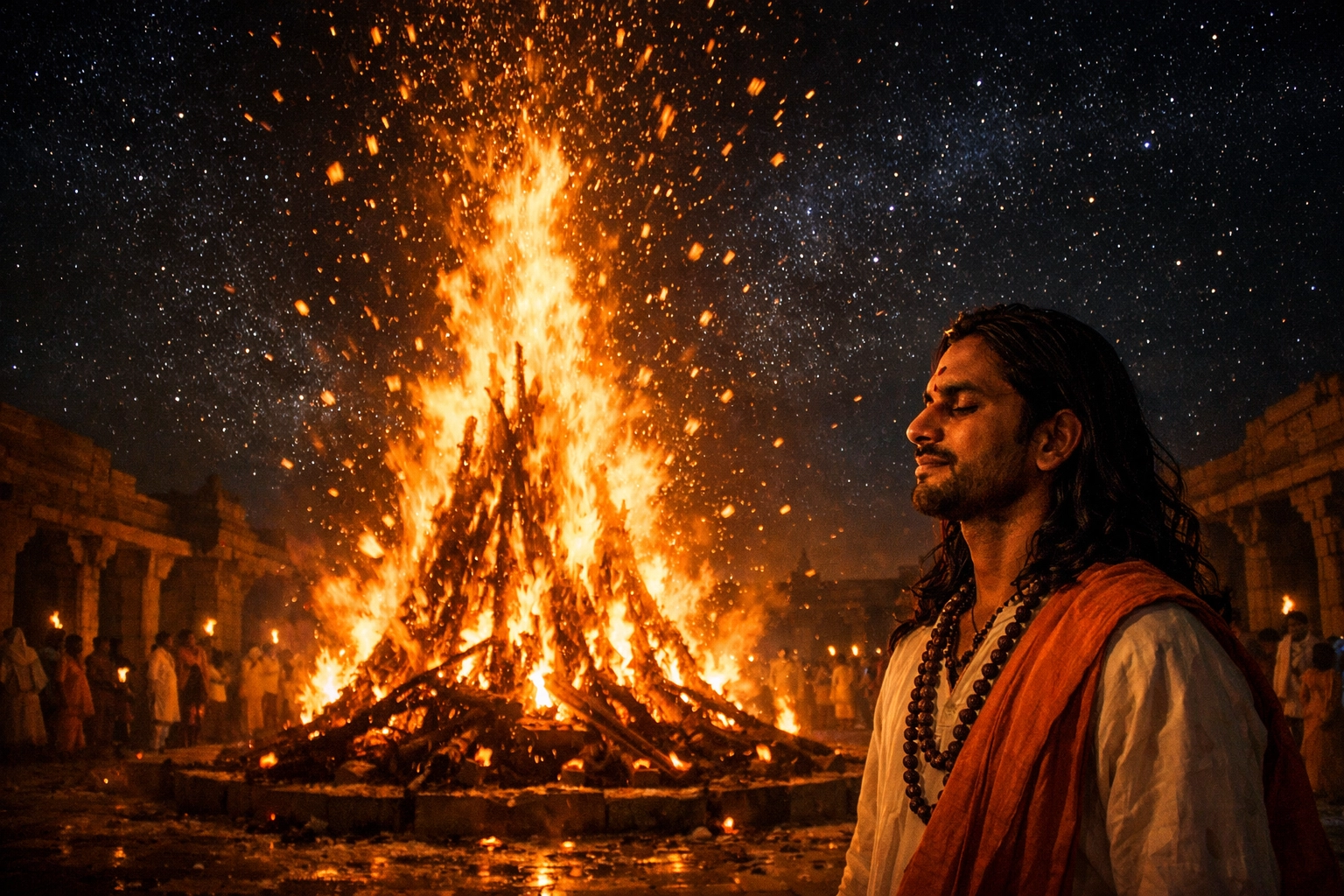
This fire represents the first stage of the Great Reset: the burning of the "internal impurities." In the Tantric sense, Holika represents the Vasana: the deep-seated habitual patterns and desires that we think protect us but actually consume us. Prahlad represents the Atman, the soul, which is inherently fireproof. When we stand before the Holi fire, we are not just watching wood burn; we are throwing our ego, our status, and our attachments into the flames. We are asking: What remains when everything I think I am is turned to ash?
The Second Level: Krishna and the Dissolution of Identity
Once the fire has cleared the psychic space, we move into the second level: the play of Krishna, or Lila. In the tradition of Vraja (Mathura and Vrindavan), Holi is a fierce, ecstatic blurring of lines.
In our daily lives, we are trapped by our identities. You are a CEO, a parent, a student, "rich," "poor," "successful," or "a failure." These are the masks the ego wears. During Holi, these masks are forcefully removed. When someone throws a bucket of color over you, your expensive clothes are ruined, your skin color is hidden, and your social standing becomes invisible. You become indistinguishable from the person next to you.
This is the psychological reset of Union. It is not a "performance" of equality; it is a lived experience of it. In the eyes of the Divine, the hierarchy of the material world is a joke. By participating in this "holy play," we allow the heart to override the analytical mind. We stop being "somebody" and start being part of the collective flow of consciousness.
The Third Level: Shiva and the Burning of Desire
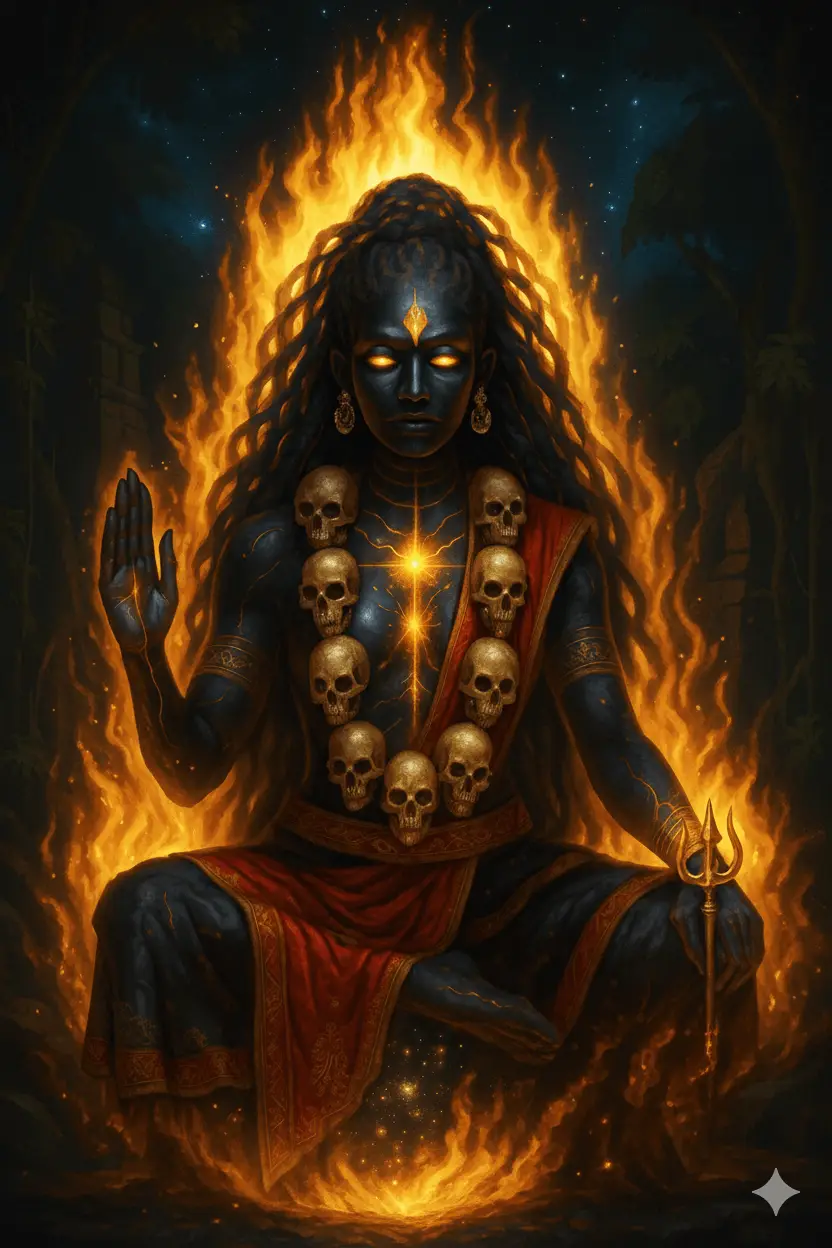
The deepest, most uncompromising layer of Holi is the story of Shiva and Kamadeva (the god of desire). Legend says that when Kamadeva tried to disturb Shiva’s deep meditation to spark lust for Parvati, Shiva opened his third eye and turned Kamadeva to ashes.
This is a crucial Tantric lesson. The "Great Reset" requires the transformation of raw, outwards-moving desire (Kama) into inwards-moving spiritual power (Tapas). By "burning" desire, Shiva didn't destroy love; he purified it. He showed that true union: the kind we seek in the Tantric tradition: cannot happen as long as we are slaves to the wandering mind and its endless cravings.
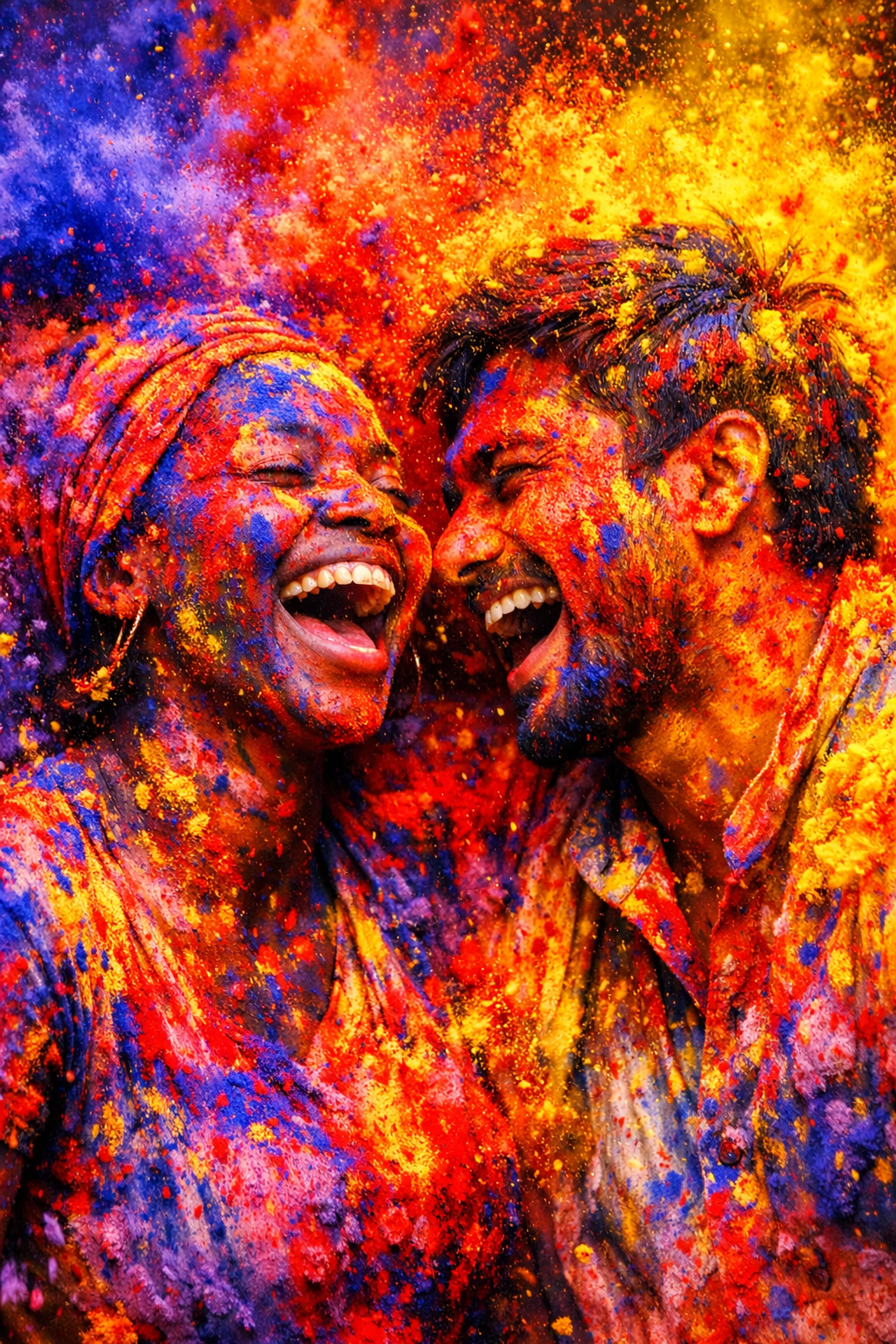
When we celebrate Holi, we are celebrating the death of the lower self so that the higher self can finally see. It is a reminder that the fire of consciousness is the only thing that can truly cleanse the soul. This isn't about being "anti-desire"; it’s about being the master of it rather than its servant.
Masan Holi: The Reality of the Cremation Ground
While the rest of the world plays with pink and yellow powders, in the ancient city of Kashi (Varanasi), there is a tradition known as Masan Holi. Here, devotees gather at the Manikarnika Ghat: the great cremation ground: and play Holi with the ashes (Bhasma) of the dead.
This is the "uncompromising" truth that many find uncomfortable. To play with the ashes of the deceased is to confront the ultimate reality: the body is temporary, and it is destined for the fire. For a practitioner of Tantra, the cremation ground is the most sacred ground because it is the place where all illusions end.
Playing with Bhasma is a reset of our perspective on mortality. If you can dance amidst the ashes, you lose the fear of death. And when you lose the fear of death, you finally learn how to live. This is the "Vira" (heroic) spirit. It is the realization that the body is just a vessel, a sacred ground for the Divine to experience itself.
The Vira Spirit: Masked Dances and Sacred Warriors
In the high Himalayas and the plains of Punjab, Holi takes on an even more intense tone. In the mountains, you find masked dances where performers embody deities and demons, acting out the cosmic struggle within the human heart. In Punjab, the Nihang Sikhs celebrate Hola Mohalla, a display of martial arts and warrior spirit.
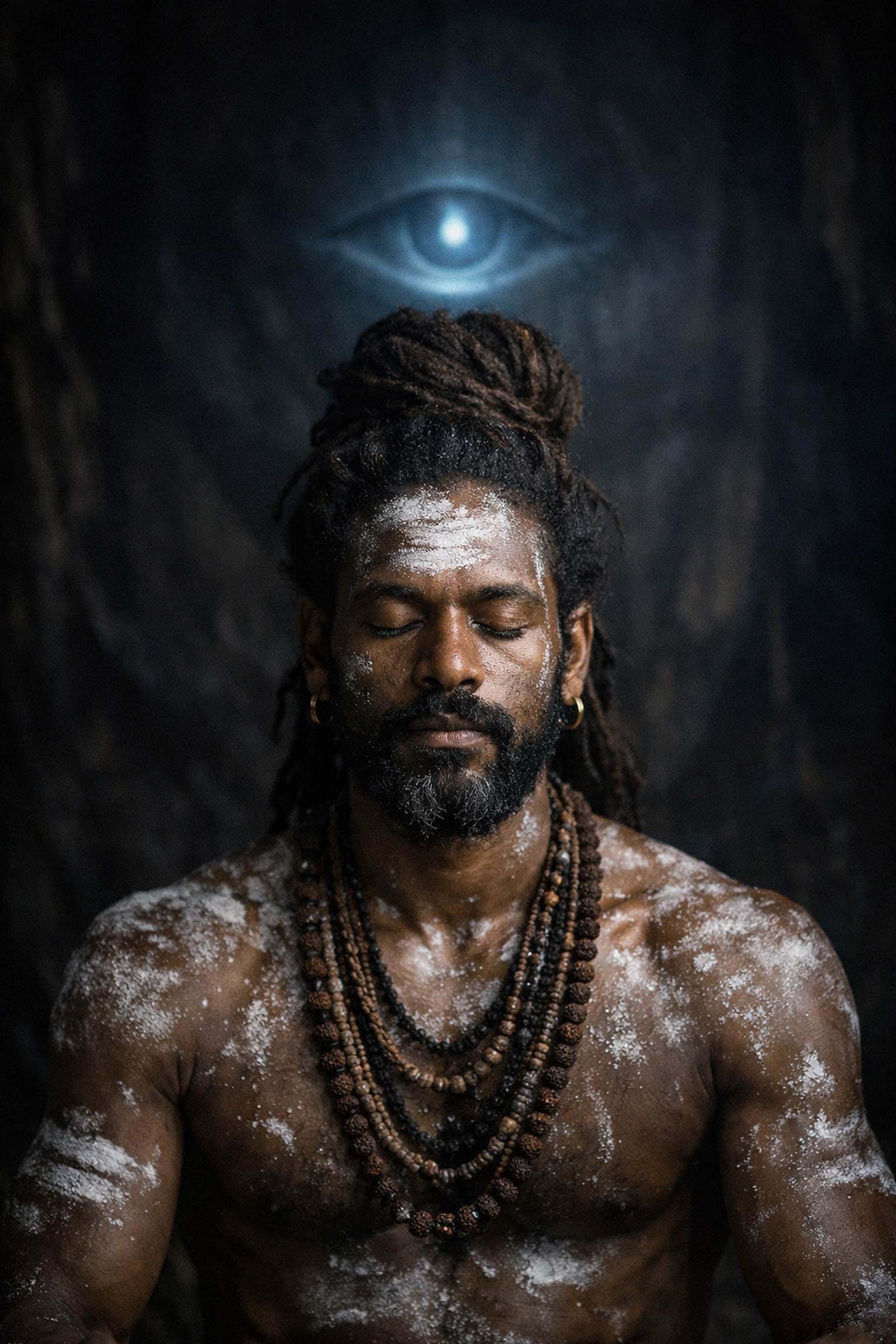
This reminds us that the spiritual path isn't just about "peace and love" in the soft, modern sense. It requires the courage of a warrior. The "Great Reset" is a violent act against the ego. It takes strength to stand in the truth, to break through social conditioning, and to remain centered while the world around you is a chaos of color and sound.
The Science of the Shift: Ayurvedic Roots
Beyond the spiritual and psychological, the ancient rishis designed Holi to be a physical reset as well. Holi happens during the transition from winter to spring: a time when the body is prone to lethargy and illness (Kapha imbalance).
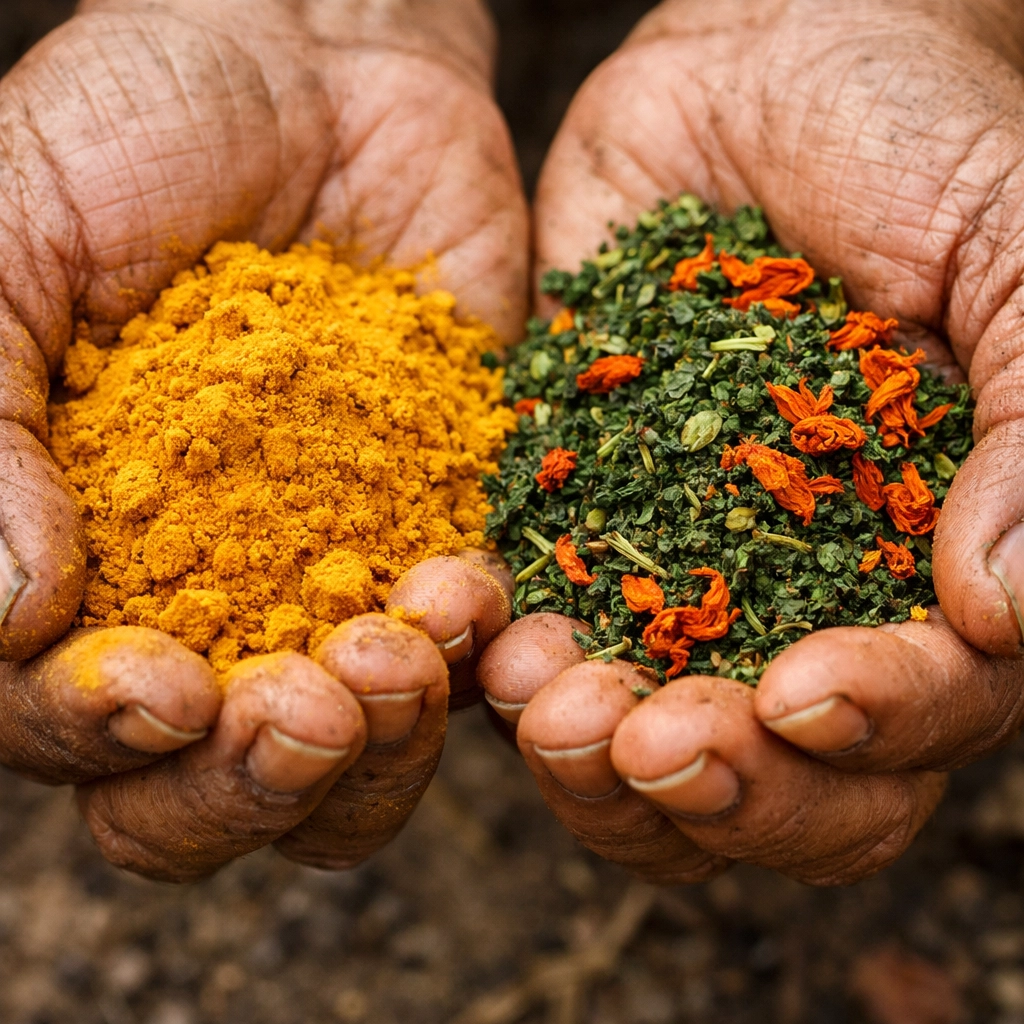
The traditional colors weren't synthetic chemicals; they were medicinal herbs.
- Haldi (Turmeric): For its anti-inflammatory and skin-healing properties.
- Neem: To detoxify the blood and fight off seasonal infections.
- Palash (Flame of the Forest): Used to treat skin conditions and cool the body.
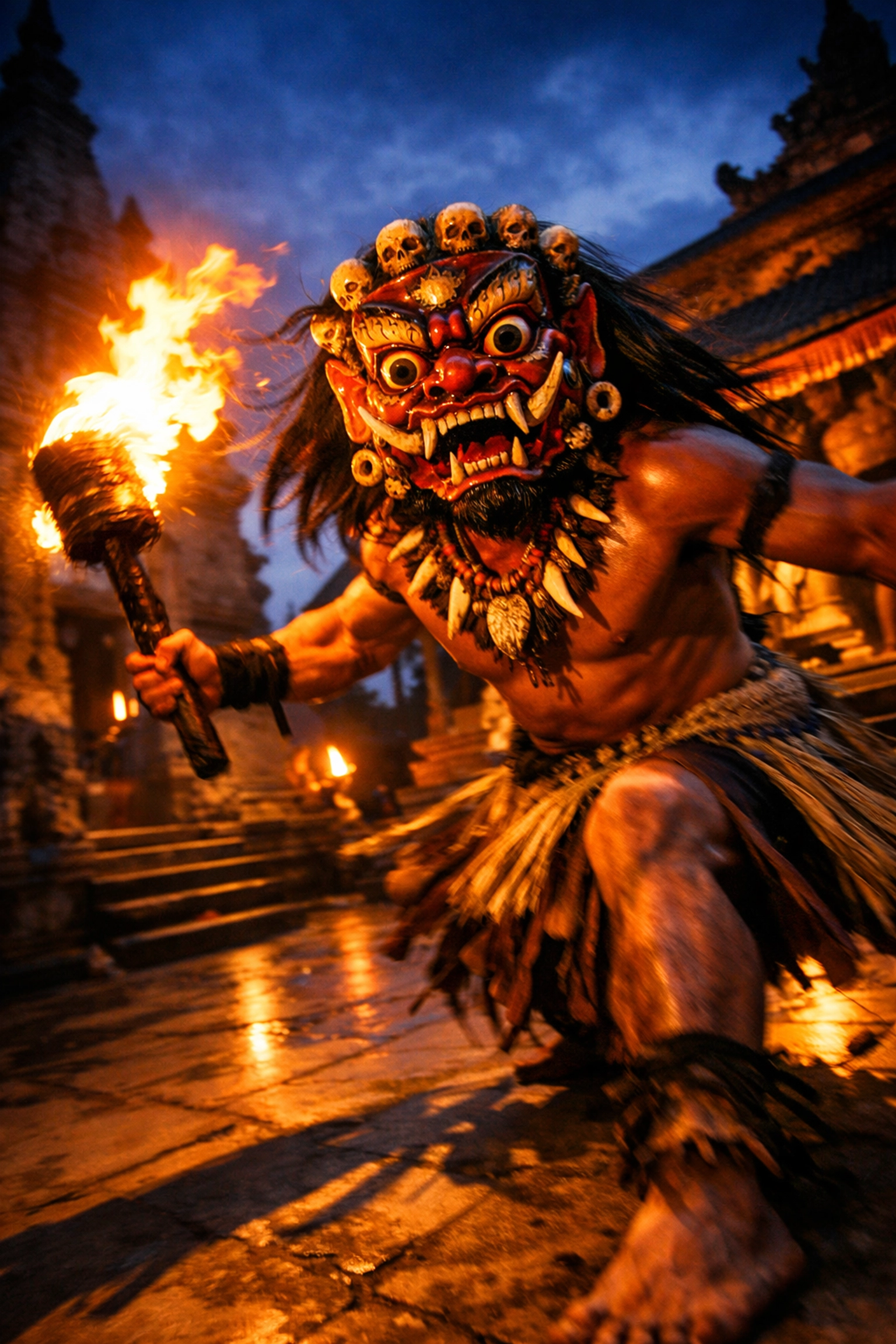
When these powders were thrown, they were actually being absorbed by the skin, acting as a collective Ayurvedic treatment. The very act of singing and dancing increased circulation and shook off the "winter blues." Even the bonfire served a purpose: the heat helped kill bacteria and viruses in the air during the seasonal shift. It was a holistic cleansing of the environment and the individual.
Returning to the Fire
The tragedy of the modern "Color Run" is that it keeps the superficiality of the color while discarding the depth of the fire. When you remove the sacred fire, the devotion of Prahlad, and the ashes of Kashi, you are left with nothing but a party. And while there is nothing wrong with joy, a party cannot reset a soul.
Holi asks us to be brave. It asks us to look at the parts of ourselves we have hidden behind "polite" society and throw them into the flames. It asks us to look at our neighbor: regardless of their status: and see our own reflection. It asks us to acknowledge that our bodies will one day be ash, so we might as well dance now.
The Great Reset is about returning to zero. It is about clearing the slate so that the colors of the Divine can finally be seen for what they are: not just pigments on the skin, but the vibrant, pulsing light of consciousness itself.
The next time you see the colors of Holi, remember that even in the brightest display, the most important element is the silence that follows the reset. It is the moment when the ego is gone, the desires are burnt, and you are standing in the raw, unadorned truth of who you are.
Even in the darkest night of the soul, the fire of the Great Reset is the light.
If you are ready to move beyond the surface and explore the deep, uncompromising path of authentic practice, we invite you to join us. Stop wasting time on workshops that only scratch the surface.