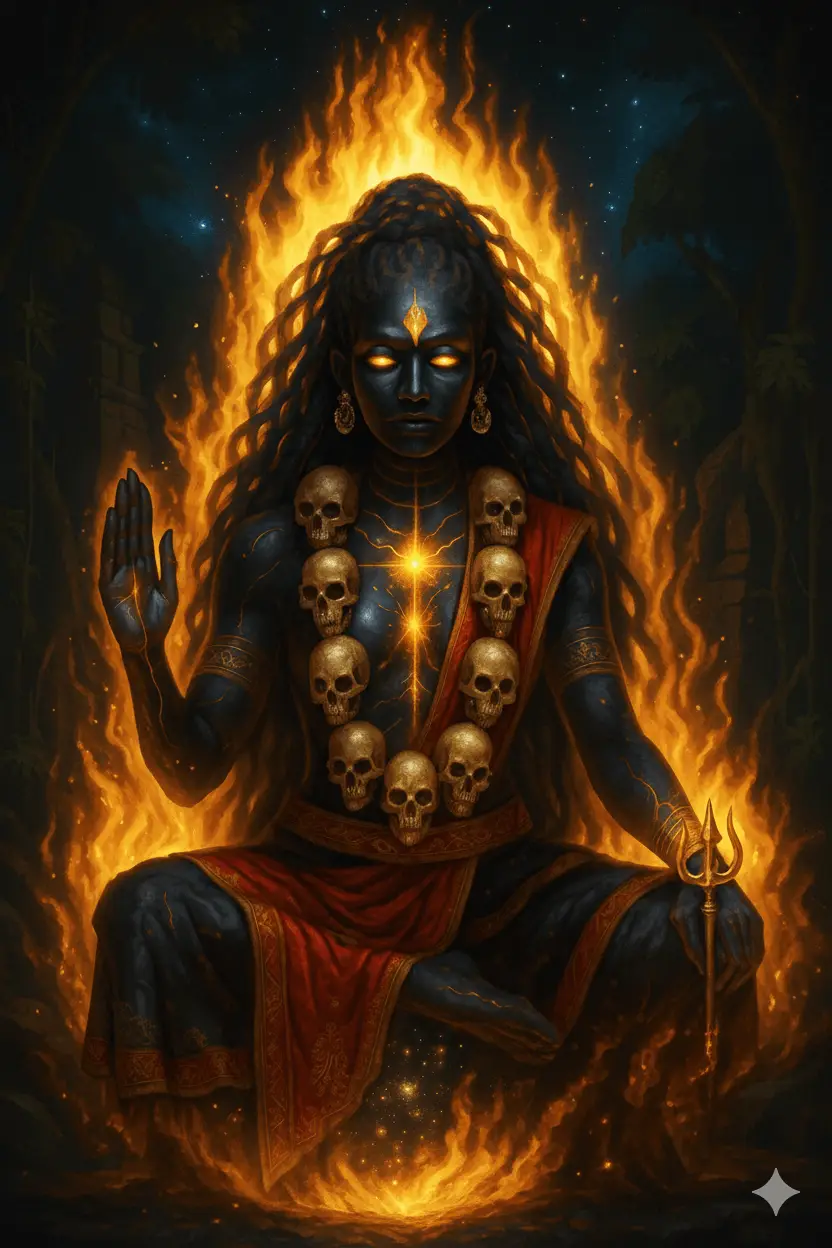


I've been watching the tantra workshop scene for years now, and honestly? Most of what's being taught completely misses the mark. We've turned an ancient spiritual science into weekend entertainment, and it's doing a disservice to anyone genuinely seeking transformation.
The problem isn't that people are interested in tantra, it's beautiful that more folks are drawn to these practices. The issue is that we've packaged something profound into digestible weekend experiences that can't possibly deliver what they promise.
The Great Sexual Reduction
Let's start with the elephant in the room. Most people hear "tantric workshop" and immediately think it's about better sex or prolonged orgasms. And unfortunately, many workshops lean into this misconception because, let's face it, it sells.
But here's what's actually happening: we're reducing a vast spiritual tradition that includes meditation, energy work, philosophy, ritual, and yes, sometimes sexuality, into nothing more than bedroom techniques. It's like going to a cooking class expecting to learn knife skills and being handed a microwave dinner instead.
Real tantra isn't about having amazing sex. That might happen, but it's not the point. The point is to know the truth of your being. Tantra is fundamentally about consciousness, becoming aware of your energy and how it interacts with everything around you.
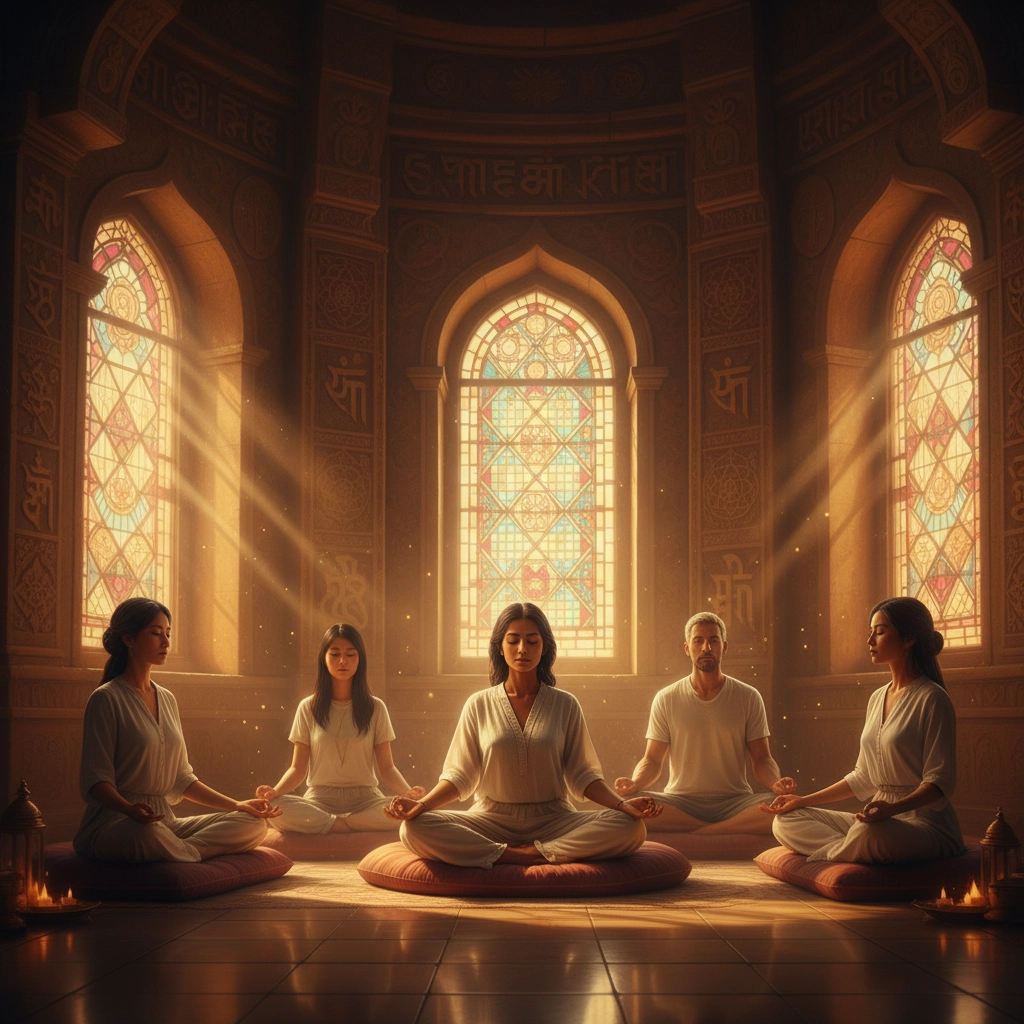
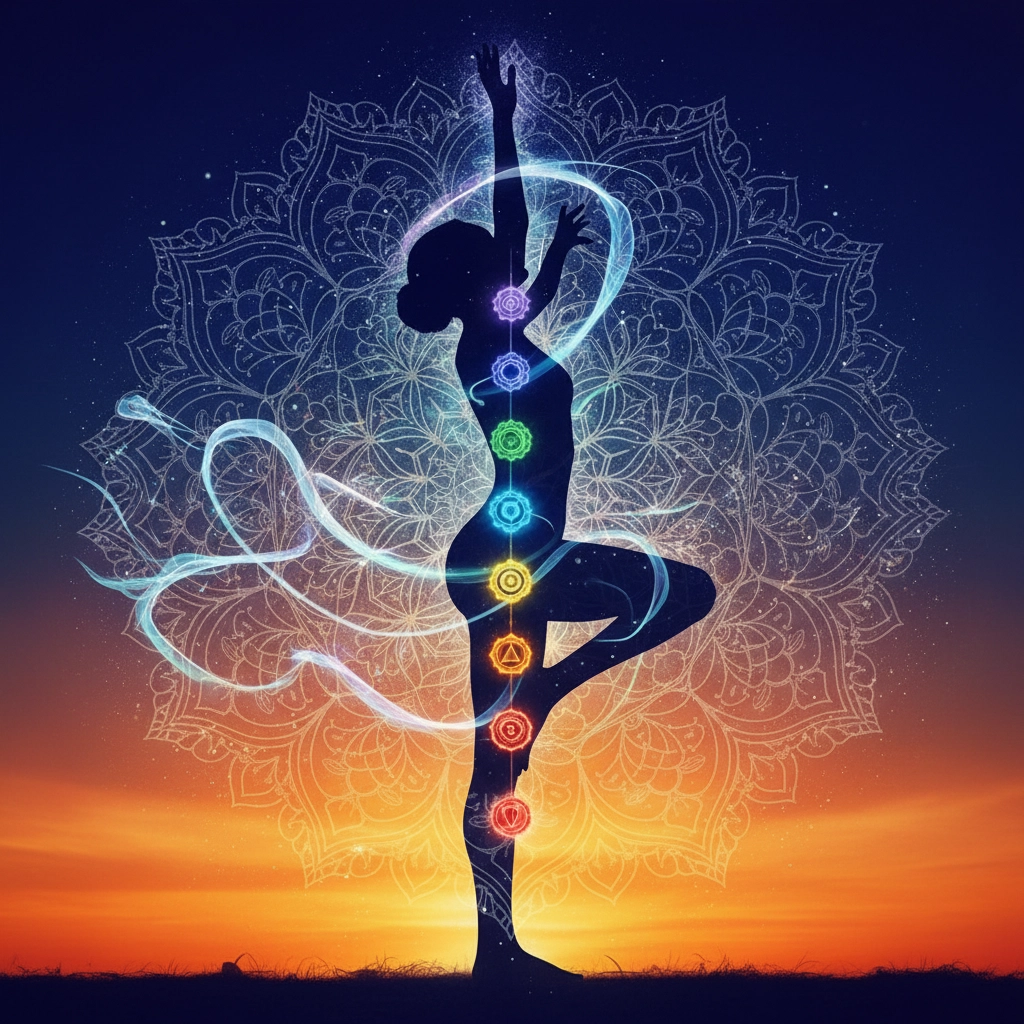
When we fixate on the sexual component, we're missing the forest for one very small tree. Traditional tantra includes chakra work, breathwork, mantra, visualization, movement practices, and deep philosophical study. Sex is one pathway among many, not the destination.
The Quick-Fix Fantasy
Here's where things get really problematic. Most workshops promise transformation in a weekend. Two days to unlock your sensual potential! Three hours to master tantric breathing! One evening to revolutionize your relationships!
This is spiritual materialism at its finest. We're taking a practice that traditionally required years of study and preparation and trying to cram it into bite-sized, Instagram-friendly chunks.
I've seen people leave workshops feeling high and inspired, convinced they've had some profound breakthrough. But without the foundation, integration, and ongoing practice that authentic tantra requires, that weekend high fades fast. Then they're left wondering why their "transformation" didn't stick.
Real tantric practice is slow. It's subtle. It requires discipline, humility, and a willingness to do the unsexy work of building awareness day after day. You can't fast-track consciousness development any more than you can fast-track learning a musical instrument.
Ritual Without Understanding
Walk into many tantric workshops and you'll find people going through the motions of traditional practices without understanding what they're actually doing. They're chanting mantras they can't pronounce, doing breathing exercises without knowing their purpose, or performing partner exercises that look tantric but lack any real foundation.

It's like learning to paint by copying the brushstrokes of a master without understanding color theory, composition, or what the painting is actually supposed to express. You might create something that looks similar on the surface, but you're missing the entire deeper structure that makes it meaningful.
Traditional tantra has specific stages and requirements. In Buddhist tantra, for example, practitioners need a solid foundation in basic meditation, ethical conduct, and philosophical understanding before moving to more advanced practices. You can't just jump into complex visualizations or energy work without this groundwork.
But workshops often skip all that foundation work because it's not as exciting as the advanced stuff. So people end up going through elaborate rituals without the inner development that would make those rituals actually transformative.
Missing the Integration Piece
Even when workshops do touch on authentic practices, they rarely address integration, how to take what you've experienced and weave it into your actual life. Real tantra isn't something you do in a workshop setting; it's a way of living.
The word tantra literally means "to weave." It's about integrating all aspects of your experience, body, mind, emotion, spirit, into a unified whole. This happens through consistent practice over time, not through peak experiences in group settings.
I've met people who've done dozens of tantric workshops but haven't developed any real capacity for intimacy or self-awareness in their daily lives. They can talk the language and perform the exercises, but they haven't undergone the fundamental shift in consciousness that tantra is designed to create.
What Real Practice Actually Looks Like
So what does authentic tantric practice involve? It's honestly less glamorous than most workshops make it seem.
Real tantra starts with developing basic awareness. This means meditation practice, learning to observe your thoughts and emotions without getting caught up in them, and cultivating what's called "witness consciousness", the ability to watch your experience without being overwhelmed by it.
It involves studying the philosophical foundations. Understanding concepts like energy (shakti), consciousness (shiva), and how these two fundamental principles dance together in all of existence. This isn't intellectual knowledge, it's experiential understanding that develops through practice.
Real tantra includes working with your psychology. Facing your shadows, healing your wounds, and developing emotional maturity. You can't bypass this inner work with fancy breathing techniques or partner exercises.
It means developing devotion and surrender, not to a person or even a teacher necessarily, but to the process itself. Tantra asks you to soften your ego's need to control everything and allow deeper wisdom to emerge.
And yes, for some practitioners, it includes sacred sexuality: but as an expression of spiritual realization, not as a technique to achieve it.
The Discipline That Nobody Talks About
Here's what most workshops won't tell you: authentic tantra requires serious discipline. Not rigid, punishing discipline, but the kind of gentle, consistent commitment that any real spiritual practice demands.
This means showing up for yourself daily, even when you don't feel like it. It means doing the subtle inner work that doesn't produce Instagram-worthy moments. It means being willing to sit with discomfort, to face parts of yourself you'd rather avoid, and to keep practicing even when progress feels slow.
Most people don't want to hear this. They want the transformation without the work, the awakening without the long nights of meditation, the intimacy without the vulnerability that real intimacy requires.
A Gentle Reality Check
I'm not saying this to discourage anyone from exploring tantra. These practices are incredibly powerful and can genuinely transform your life. But I am saying that if you're drawn to this path, it's worth getting honest about your motivations and expectations.
Are you looking for better sex? There are simpler, more direct ways to improve your sexual life. Are you hoping for a quick spiritual high? You might get that from a workshop, but it probably won't last. Are you seeking to escape your problems through spiritual practices? Tantra will likely make you face them more directly, not less.
But if you're genuinely interested in a path of consciousness development, if you're willing to do the slow work of integration, if you can approach this with both seriousness and playfulness: then tantra might offer exactly what you're seeking.
Just know that the real work happens in the spaces between workshops, in your daily life, in the moments when no one is watching and there's no teacher to guide you. That's where authentic transformation takes root.
The path is longer than a weekend, deeper than a technique, and more challenging than most workshops will admit. But for those willing to walk it, it's also more rewarding than anything you can imagine.

