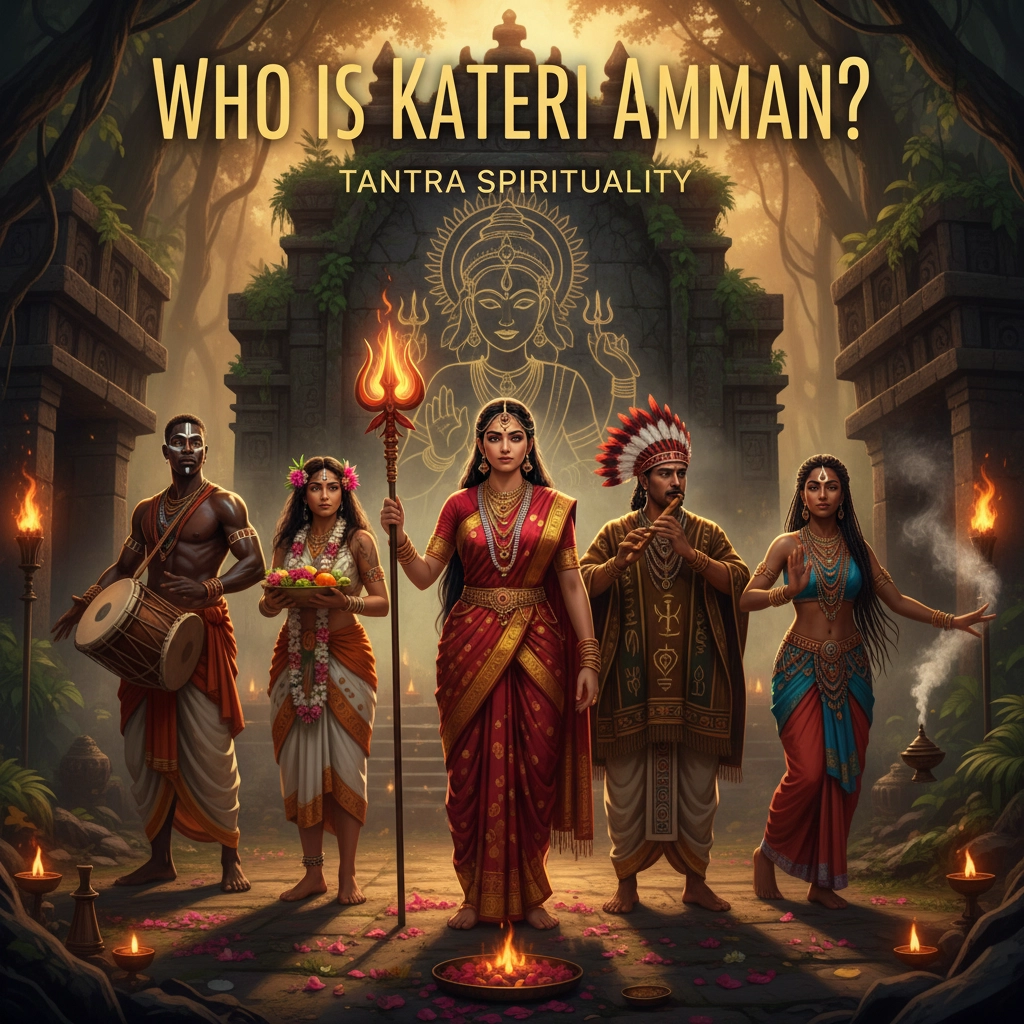
Walk through any village in Tamil Nadu or Sri Lanka, and you'll likely encounter a sacred tree draped in saffron cloth, or a simple stone shrine adorned with ash and flowers. These aren't random spiritual markers: they're gateways to one of South India's most powerful folk deities: Muniyandi.
But who exactly is this mysterious figure that commands such reverence from millions? The answer isn't as straightforward as you might think.
The Village Guardian Who Bridges Worlds
Muniyandi: also known as Munisvaran, Muniyappan, or simply Muni: is far more than just another deity in the vast Hindu pantheon. He's a village guardian, a divine witness, and most importantly, a mediator between the human and spirit realms. Think of him as the spiritual equivalent of that friend who always knows what's happening in the neighborhood and isn't afraid to tell you the truth, even when it stings.
In the rich tapestry of South Indian spirituality, Muniyandi occupies a unique space. He's not sitting in some distant heaven, detached from earthly concerns. Instead, he's right here, embedded in the landscape, intimately connected to the daily lives of the people who honor him.

More Than Meets the Eye
What makes Muniyandi fascinating is his dual nature. He's simultaneously revered and feared, protective yet potentially dangerous. According to traditional belief, he can bring diseases, crop failures, and misfortune to those who ignore or disrespect him. But here's the thing: his wrath isn't random or cruel. It's corrective, meant to restore balance when the natural order has been disturbed.
This isn't some primitive superstition. It's a sophisticated understanding of how spiritual forces interact with physical reality. Muniyandi represents the raw, unfiltered power of nature itself: capable of both nurturing growth and delivering harsh lessons when needed.
In Hindu mythology, he's described as one of seven emanations created from Lord Shiva's face, specifically tasked with guarding Mariamman and other powerful goddesses. This connection to Shiva places him within the broader Hindu framework while maintaining his distinct folk identity.
The Three Faces of Worship
Traditional devotion to Muniyandi takes three primary forms, each reflecting different aspects of spiritual practice:
Tree Worship represents the oldest form of veneration. Sacred trees like the mighty Banyan, the revered Sacred Fig, and the towering Palmyra palm serve as living temples. These aren't just symbols: they're believed to be actual gateways through which Muniyandi and other Munis travel between dimensions. When you see these trees draped in cloth and surrounded by offerings, you're witnessing a direct line to ancient animistic traditions that predate organized religion.

Stone Worship strips away even more complexity. A single stone or arrangement of three stones, marked with sacred ash, sandalwood paste, and saffron, becomes a focal point for divine energy. Often, you'll see the trident symbol etched or painted on these stones: Shiva's signature marking his connection to these humble shrines. There's something profoundly moving about this simplicity. No elaborate architecture, no expensive decorations. Just stone, earth, and human intention.
Statue Worship represents the most contemporary approach. These erected images show Muniyandi adorned with weapons: sickles, swords, maces: not as tools of violence, but as symbols of his protective power and ability to cut through illusion. These statues help modern devotees visualize and connect with the deity in ways that feel more familiar to those raised in image-based worship traditions.
The Spiritual Psychology Behind the Legend
Here's where things get really interesting from a healing perspective. Muniyandi's role as both protector and potential threat mirrors the psychological dynamics we encounter in shadow work and trauma healing.
He embodies what Jungian psychology would call the "wise old man" archetype: the one who appears when we need guidance but delivers it in ways that might initially seem harsh or uncomfortable. His lessons come through challenge, disruption, and sometimes crisis.

In many ways, working with Muniyandi's energy is like engaging with our own shadow material. He forces us to confront aspects of reality we'd prefer to ignore: the consequences of our actions, the need for respect and reciprocity in our relationships with the natural world, and the importance of maintaining spiritual discipline even when it's inconvenient.
Guardian of the Threshold
Muniyandi functions as what spiritual traditions call a "threshold guardian": a being who tests our readiness to access deeper spiritual territories. This isn't arbitrary gatekeeping; it's a necessary protection. Just as you wouldn't hand a loaded weapon to someone without proper training, the spiritual realms require a certain level of maturity and respect to navigate safely.
Village communities have long understood this. They don't approach Muniyandi casually or with half-hearted devotion. They recognize that he's dealing with serious business: the protection of the community, the maintenance of spiritual boundaries, and the enforcement of cosmic law.
This understanding offers profound lessons for modern spiritual seekers. In our Instagram-filtered world of "love and light" spirituality, Muniyandi reminds us that authentic spiritual power comes with real responsibility and genuine consequences.
Modern Relevance in Ancient Wisdom
Why should contemporary spiritual practitioners care about a Tamil village deity? Because Muniyandi represents principles that transcend cultural boundaries.
He embodies the importance of place-based spirituality: the recognition that spiritual practice must be grounded in specific landscapes, communities, and relationships. In our increasingly globalized world, this rootedness offers an antidote to spiritual bypassing and cultural appropriation.

His emphasis on reciprocity challenges the consumer mentality that treats spiritual practices like products to be purchased and consumed. Muniyandi's worship requires ongoing relationship, regular offerings, and consistent respect: not just when we need something.
Most importantly, his integration of protective and corrective energies offers a model for balanced spiritual practice. He shows us that genuine compassion sometimes requires firm boundaries, and that true love includes the willingness to deliver difficult truths.
Working with Muniyandi's Energy
For those drawn to work with Muniyandi's energy, the approach is refreshingly straightforward. Start with respect, not fear. Acknowledge his role as guardian and protector. Offer simple, sincere gifts: water, flowers, incense. Most importantly, be consistent.
Traditional offerings include coconut, jaggery, and sometimes alcohol, but the specific gifts matter less than the intention behind them. What Muniyandi responds to is genuine devotion, regular attention, and the recognition that spiritual relationship requires reciprocity.
Consider creating a simple outdoor shrine if you have space: even a single stone under a tree can serve. If outdoor space isn't available, a small indoor altar with his image and regular offerings can establish connection.

Remember, you're not just connecting with a deity: you're joining a living tradition that has sustained communities for centuries. Approach with humility, learn from those who've walked this path before you, and be prepared for teachings that might challenge your assumptions about how spiritual practice works.
The Eternal Guardian
Muniyandi stands as a bridge between ancient wisdom and contemporary need. In a world that often feels chaotic and ungrounded, he offers the stability of deep roots and clear boundaries. In spiritual communities that sometimes lack discernment, he provides the fierce compassion of truthful guidance.
He reminds us that authentic spiritual practice isn't always comfortable, but it's always transformative. Through his energy, we learn that protection and challenge can coexist, that love sometimes wears the mask of difficulty, and that the most profound teachings often come through direct experience rather than intellectual understanding.
Whether you choose to work with Muniyandi directly or simply appreciate the wisdom his tradition offers, his presence in the spiritual landscape serves as a powerful reminder: the sacred isn't separate from the everyday world: it's woven into the very fabric of life, waiting for those with eyes to see and hearts brave enough to engage.