


Walk into any modern yoga studio and you'll likely hear something like: "Now let's do some breathing exercises to calm down and relax." While there's nothing wrong with relaxation, this watered-down understanding completely misses what traditional pranayama was actually designed to do.
The ancient yogis weren't sitting around just trying to chill out. They were developing something far more powerful: the ability to master their life force energy and build unshakeable inner resilience. Traditional pranayama was resistance training for consciousness itself.
The Great Mistranslation
Here's where things get interesting. The word "pranayama" has been butchered in Western wellness culture. Most people think it means "breath control," but that's like calling a Ferrari a "metal box with wheels."
Prana doesn't just mean breath: it refers to consciousness itself, the fundamental life force that animates everything. Ayama isn't about restraint; it means expansion and enhancement. Put them together, and you get "mastery of the energy of life" or "expanding consciousness through life force."
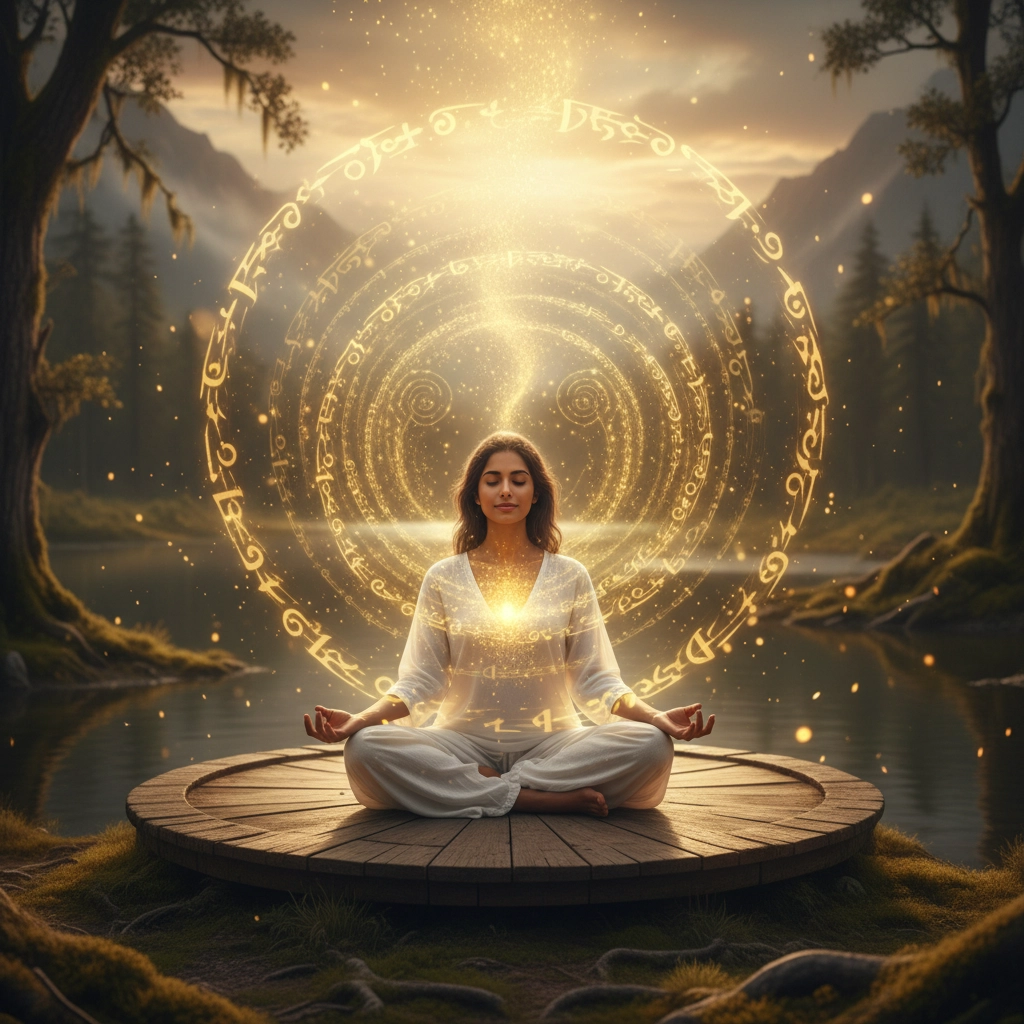
The ancient texts describe pranayama as leading practitioners to expanded states of consciousness, not just better lung capacity. This wasn't about getting more oxygen to your brain (though that happens). It was about accessing subtle layers of your energy body that most people never even know exist.
Your Nervous System's Secret Weapon
Modern neuroscience is finally catching up to what yogis knew thousands of years ago. When you practice traditional pranayama correctly, something fascinating happens in your brain and nervous system.
During controlled breathing, the mechanical stretching of lung tissue creates inhibitory signals and hyperpolarizing currents throughout your neural networks. This isn't just yoga-speak: it's measurable neurophysiology. These signals synchronize neural elements across your entire nervous system, creating a cascade of changes that extend far beyond simple relaxation.
The process directly stimulates your vagus nerve, which connects peripheral receptors to your brain stem, thalamus, and limbic system. This creates a fundamental shift from fight-or-flight mode to rest-and-digest, but here's the key: you're learning to control this shift consciously.
That's the resistance power. You're not just passively relaxing: you're actively training your nervous system to respond to your conscious intention.
The Three-Phase Power Cycle
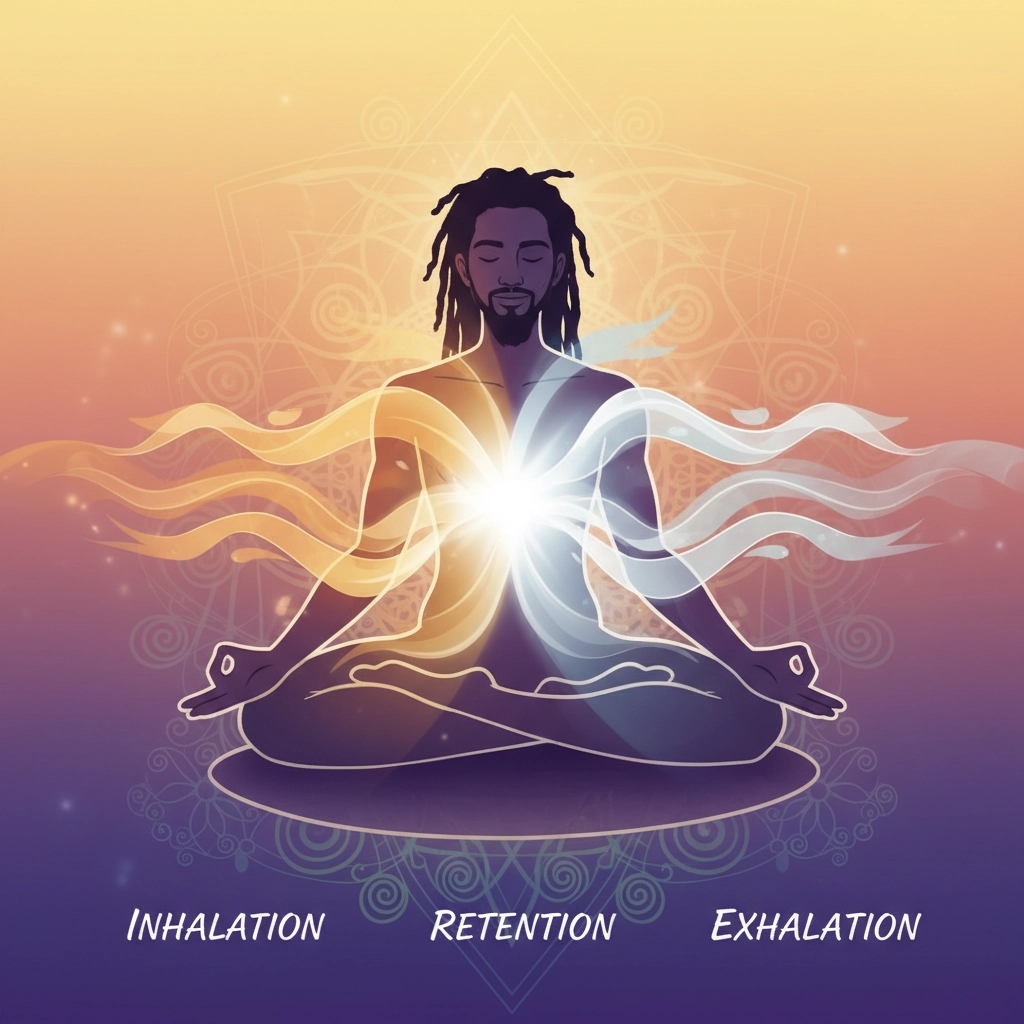
Traditional pranayama operates through a precise three-phase cycle that builds genuine inner strength:
Puraka (Inhalation): This isn't just breathing in. You're consciously drawing in life force energy with focused intention. The inhalation should be controlled, steady, and purposeful.
Kumbhaka (Retention): Here's where the magic happens. When you hold your breath in the retention phase, your brain enters theta wave patterns associated with deep meditative states. This isn't about holding your breath until you turn blue: it's about sustaining awareness in an altered state of consciousness.
Rechaka (Exhalation): The controlled release completes the energy circuit. You're not just letting air out; you're consciously directing the flow of prana throughout your system.
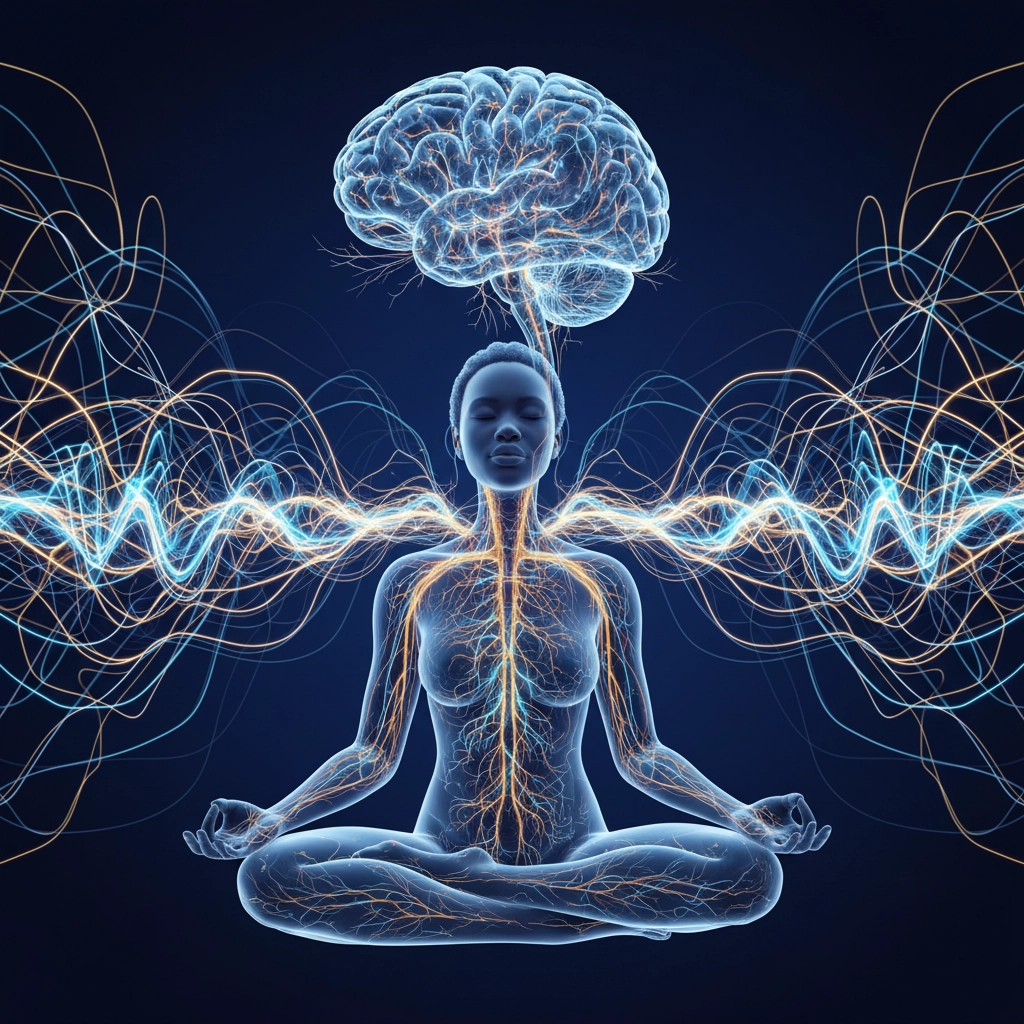
During the retention phase specifically, something remarkable occurs. Your brain generates theta waves: the same patterns found in deep meditation and moments of insight. This isn't passive relaxation; it's active engagement with altered states of consciousness that build mental resilience.
Beyond Stress Relief: Real Resilience Training
Modern breath classes often focus on lowering stress hormones and calming anxiety. That's fine, but it's like using a Ferrari to go to the grocery store. You're missing most of the machine's capability.
Traditional pranayama was designed to create what we might call "autonomic mastery": the ability to consciously shift between different nervous system states at will. Instead of being at the mercy of your automatic responses, you learn to regulate them through intention.
Research shows that deep breathing practices can actually alter gene expression in immune cells and change genetic activity in white blood cells. Think about that for a moment: conscious breathing can literally change how your DNA expresses itself. This suggests pranayama works at the cellular level to enhance your body's fundamental defense mechanisms.
The Attention Revolution
One aspect that modern classes completely overlook is pranayama's power to revolutionize attention itself. During traditional practices, you must focus intensely on specific respiratory frequencies and rhythms. This concentrated attention builds what could be called "cognitive resistance": the ability to maintain focus despite internal and external distractions.
This creates a state that neuroscientists describe as simultaneously "calm and alert": a unique neurological condition that's distinct from either ordinary relaxation or heightened arousal. You develop the capacity to remain centered and responsive while maintaining deep inner stillness.
What Modern Classes Miss
Walk into most breathing workshops today and you'll find people lying on their backs, focusing on letting go and releasing tension. Nothing wrong with that, but it's only scratching the surface.
Traditional pranayama required practitioners to sit upright with perfect posture, maintaining alertness and control throughout the practice. The spine had to be erect, the mind focused, and the practitioner actively engaged with the process of energy transformation.
The difference is like comparing passive massage to strength training. Both have benefits, but only one builds genuine power and resilience.
Modern approaches also tend to skip the systematic progression that traditional pranayama requires. Ancient practitioners would spend years mastering basic techniques before moving to advanced practices. They understood that building this kind of inner resistance takes time, patience, and proper foundation.
The Biochemical Foundation
The resistance power also manifests through specific biochemical changes that extend far beyond practice sessions. Controlled breathing increases melatonin production, creating sustained states of well-being. More importantly, the neurohumoral mechanisms involving sympathetic-parasympathetic balance create lasting changes in stress response patterns, cardiovascular function, and inflammatory profiles.
This isn't just about feeling better during practice: it's about fundamentally rewiring how your body responds to challenge and stress in daily life.
Reclaiming the Power
So how do you tap into this hidden resistance power? Start by shifting your understanding. You're not just doing breathing exercises to relax. You're engaging in consciousness training that builds genuine inner strength.
Begin with simple three-phase breathing while sitting upright. Focus on the quality of attention during each phase, especially the retention. Notice how your awareness changes during breath-holding. Pay attention to the subtle energy movements throughout your body.
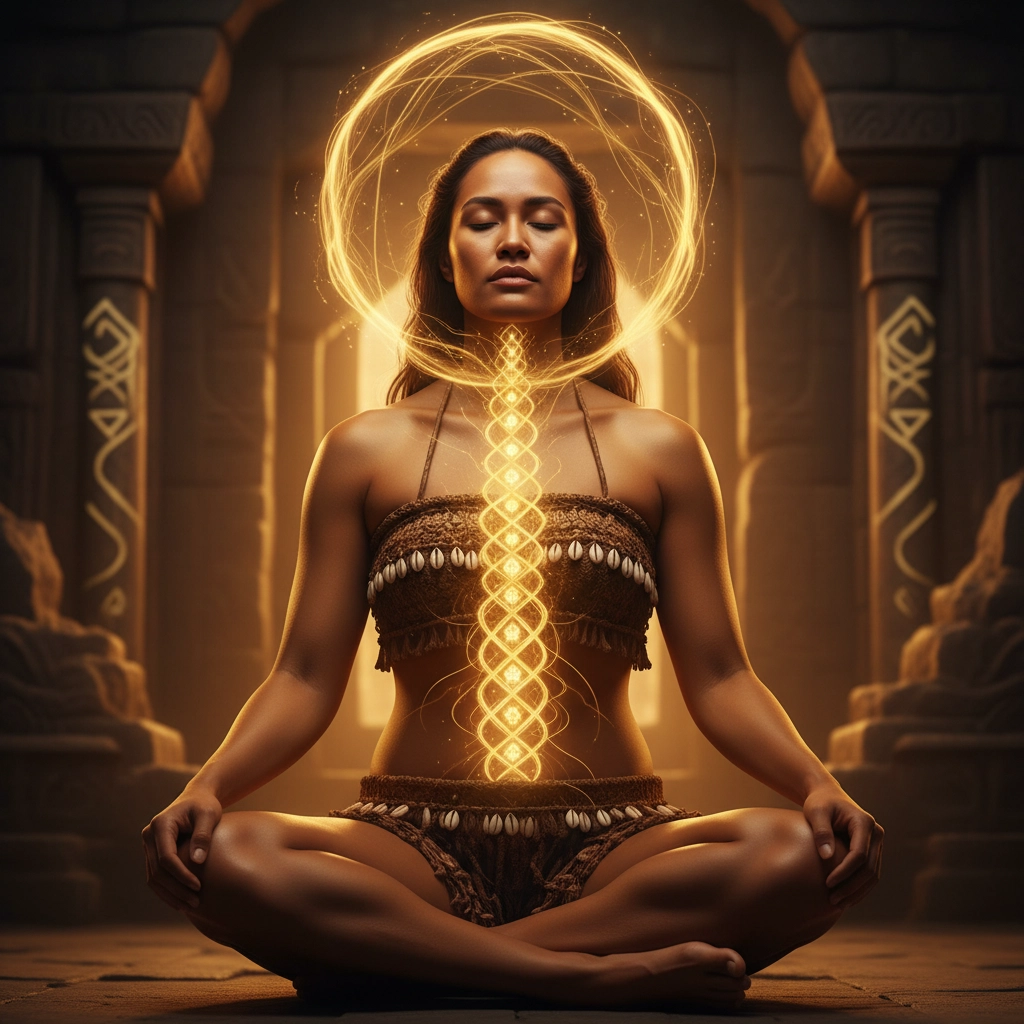
Most importantly, approach the practice with the understanding that you're developing mastery over your life force energy. This isn't passive wellness: it's active transformation of your fundamental capacity to meet life's challenges with steadiness and power.
The ancient yogis developed pranayama as a complete system for building unshakeable inner resilience. They understood that true strength comes not from avoiding difficulty, but from developing the capacity to remain centered and conscious regardless of external circumstances.
When you practice traditional pranayama with this understanding, you're not just managing stress or promoting relaxation. You're developing genuine resistance power: the ability to consciously direct your life force energy and maintain inner stability no matter what's happening around you.
That's what the ancient masters knew, and what modern wellness culture is just beginning to rediscover.

