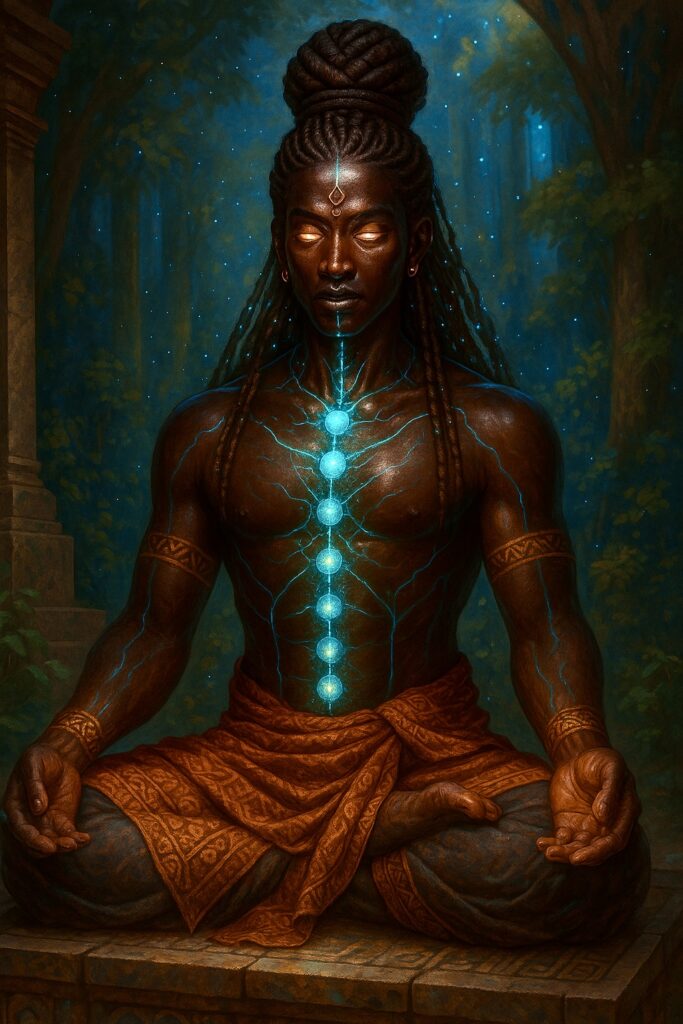


Let's get real about kundalini awakening. Forget the Instagram posts showing blissed-out yogis floating in eternal peace, that's not the full story. If you've experienced a kundalini awakening, you probably know it's more like being hit by a spiritual freight train that doesn't come with an instruction manual.
The truth? Kundalini awakening isn't a one-and-done enlightenment moment. It's more like signing up for a multi-year spiritual boot camp you never asked for. But here's the thing: once you understand what you're actually dealing with, you can not just survive this process, you can genuinely thrive.
The Myth-Busting Reality Check
First, let's bust some myths. Kundalini awakening isn't:
- A permanent state of bliss (sorry, not sorry)
- A quick ticket to enlightenment
- Something that only happens to "advanced" practitioners
- A sign you're spiritually superior
What it actually is: a continuous, often messy process of energy moving through your system, clearing out old patterns, trauma, and limitations. Think of it like renovating an old house, it gets really chaotic before it gets beautiful, and you're living in the construction zone the whole time.
This isn't a weekend workshop experience. For most people, the active phase can last anywhere from several months to over a decade. The energy typically rises gradually through your chakras, starting at the root and working its way up to the crown, but it doesn't follow a neat, predictable timeline.
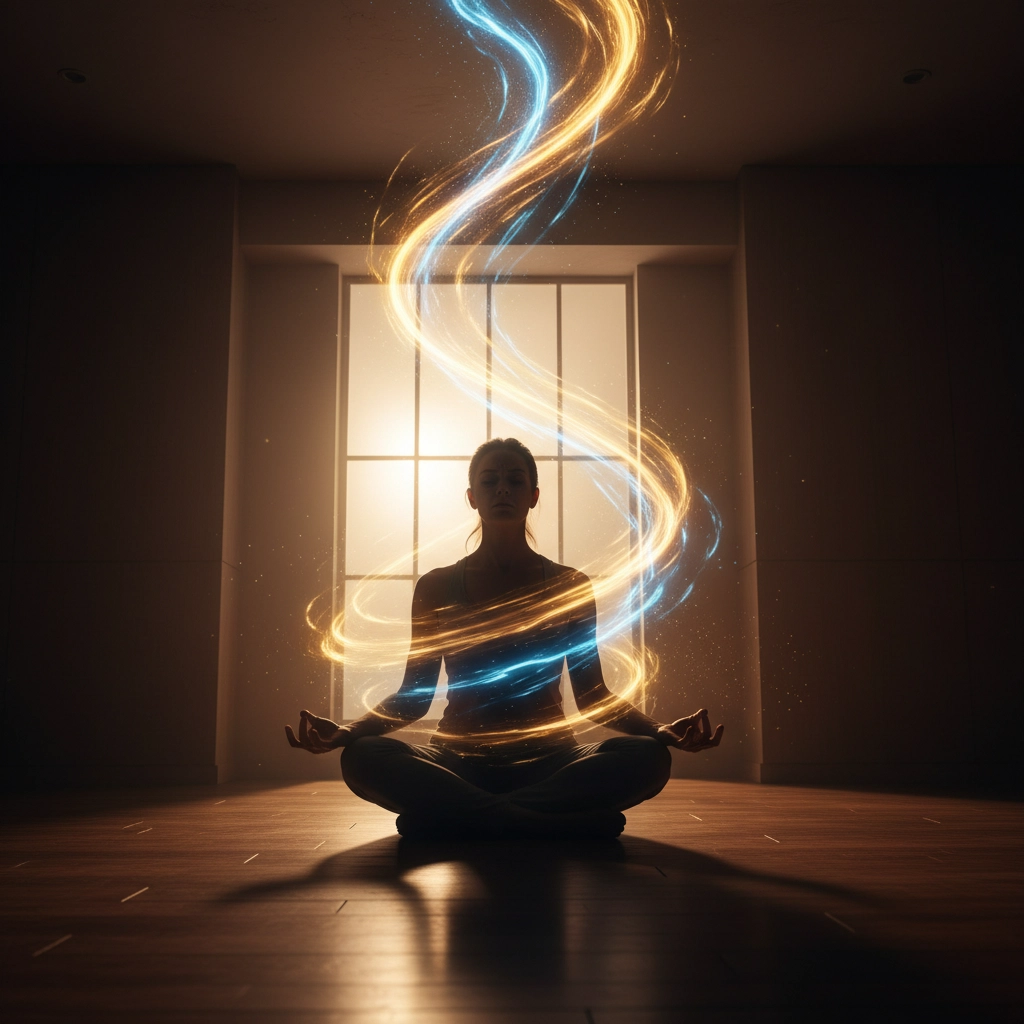
The Emotional Rollercoaster (And How to Stay Buckled In)
Let's talk about what nobody warns you about: the emotional intensity. One day you might feel like you've unlocked the secrets of the universe, and the next day you're crying in your car because a song on the radio hit you so deeply it felt like your heart was being reorganized.
This isn't emotional instability, it's emotional purification. Your system is literally releasing years or decades of stored emotions, traumas, and unexpressed feelings. It's like your psyche is finally getting that deep clean it's needed for years.
Practical survival tip: Create an "emotional first aid kit." This might include:
- A playlist of songs that ground you
- A list of people you can call when things get intense
- Simple breathing exercises you can do anywhere
- A comfort object or crystal that helps you feel centered
Remember, feeling like an emotional pinball isn't a sign you're doing something wrong, it's often a sign the process is working.
The Physical Reality: Your Body's Wild Ride
Here's what the spiritual books don't always mention: kundalini awakening can be physically exhausting. Your nervous system might feel like it's stuck in constant "alert" mode. You might experience fatigue that sleep doesn't fix, strange sensations moving through your body, or periods where you feel simultaneously wired and tired.
This happens because your system is literally rewiring itself. Your nervous system, which was designed for regular human experiences, is now processing intense spiritual energy. It's like running high-voltage electricity through household wiring, things are going to get a bit scrambled for a while.
Getting your nervous system back online:
- Prioritize sleep, even if it doesn't feel restful at first
- Gentle movement like walking or restorative yoga
- Cold water on your wrists and the back of your neck
- Spending time in nature without any agenda
- Limiting stimulating substances (yes, that includes caffeine)
Your body isn't broken: it's upgrading. But upgrades take time and patience.

Spiritual Integration: Making Sense of the Cosmic Download
The spiritual aspect of kundalini awakening can feel like trying to download the entire internet through a dial-up connection. You might have profound insights that you struggle to integrate into daily life, or spiritual experiences that feel impossible to explain to others.
Integration isn't about becoming a full-time mystic: it's about weaving these expanded states of awareness into your regular human existence. Think of it like learning to speak a new language fluently enough to use it in everyday conversations.
Integration practices that actually work:
- Journaling without censoring yourself
- Finding creative outlets for the energy (art, music, movement)
- Meditation, but keep it simple: your system is already plenty activated
- Connecting with others who understand the process
- Working with a teacher or guide who's been through it themselves
The goal isn't to become otherworldly: it's to become more authentically yourself.
From Survival Mode to Thriving Mode
There comes a point in the process where you shift from "How do I survive this?" to "How do I work with this energy constructively?" This transition usually happens gradually, but you'll start noticing some signs:
- You sleep more deeply and wake up actually refreshed
- The intense energy waves become more predictable and manageable
- You feel more grounded in your body, even during intense experiences
- Your relationships either deepen or naturally fall away without drama
- You make life choices from a place of inner knowing rather than external pressure
This is where the real gifts of kundalini awakening start to show up. You might find yourself with increased intuition, creative abilities, or a natural knowing about what serves your highest good. But remember: these gifts come after the integration work, not instead of it.

The Community Question
One of the hardest parts of kundalini awakening can be feeling alone in the process. Your friends might not understand why you suddenly can't handle crowded places, or why you need so much alone time. Your family might worry about the changes they see in you.
Finding your people: others who are going through or have been through similar experiences: isn't just helpful, it's essential. This doesn't mean you need to join a cult or abandon your regular life. It means finding even one or two people who get it.
Look for support groups, online communities, or workshops focused on kundalini integration. The relief of hearing someone else describe exactly what you're experiencing cannot be overstated.
The Long Game: What Life Looks Like After the Storm
Here's the part that gives me hope to share with anyone in the thick of this process: it does stabilize. The intensity that feels overwhelming right now? It settles into something much more workable.
People who've completed the major phases of kundalini awakening often describe a deep, unshakeable sense of inner peace. Not the kind that comes from avoiding problems, but the kind that comes from knowing you can handle whatever life brings. They report feeling more authentically themselves than they ever have, with access to intuition and inner guidance that feels reliable.
The exhaustion gives way to sustainable energy. The emotional chaos settles into emotional intelligence. The spiritual overwhelm integrates into practical wisdom.
Your Next Right Step
If you're reading this while feeling like you're barely keeping your head above water in your own awakening process, take a breath. You're not broken, you're not doing it wrong, and you're definitely not alone.
Your next step doesn't have to be dramatic. It might be as simple as:
- Acknowledging that what you're experiencing is real and valid
- Finding one person who understands the process to talk to
- Creating one small daily practice that helps you feel grounded
- Being patient with yourself as you navigate this profound transformation
The journey from surviving to thriving isn't about rushing through the difficult parts: it's about learning to work skillfully with the energy that's moving through your system. And that, like any worthwhile skill, takes time to develop.
Your awakening isn't happening to you: it's happening for you. The person you're becoming through this process has gifts to offer the world that can only come through this particular kind of transformation.
Ready to explore more resources for your journey? Visit Tantric Journey to find community, guidance, and practical tools for navigating your awakening with more ease and understanding.