


Tantra has become one of the most misunderstood spiritual traditions in the West. What started as a profound philosophical and practical system for liberation has been reduced to weekend workshops and bedroom techniques. But real tantra, the kind that's been practiced in India for over a thousand years, is so much more.
Decolonizing tantra means stripping away the Western assumptions and marketing hype to connect with what this tradition actually offers. It's about approaching these practices with the respect and context they deserve, rather than cherry-picking what seems appealing.
What Does Decolonizing Tantra Actually Mean?
When we talk about decolonizing tantra, we're acknowledging that this ancient Indian tradition has been significantly altered through Western interpretation. The original tantric texts weren't focused primarily on sexuality, they were comprehensive spiritual systems dealing with consciousness, energy, ritual, philosophy, and yes, the body too.
Decolonizing means:
- Learning from authentic sources and lineages
- Understanding the cultural context these practices come from
- Approaching with reverence rather than consumerism
- Recognizing that quick fixes aren't how transformation works
- Honoring the complexity and depth of the tradition
The practices below come from traditional tantric texts and lineages. They're designed to be approached gradually, with respect, and ideally with guidance from someone who understands the tradition deeply.
Foundational Practices
1. Pranayama (Sacred Breathing)
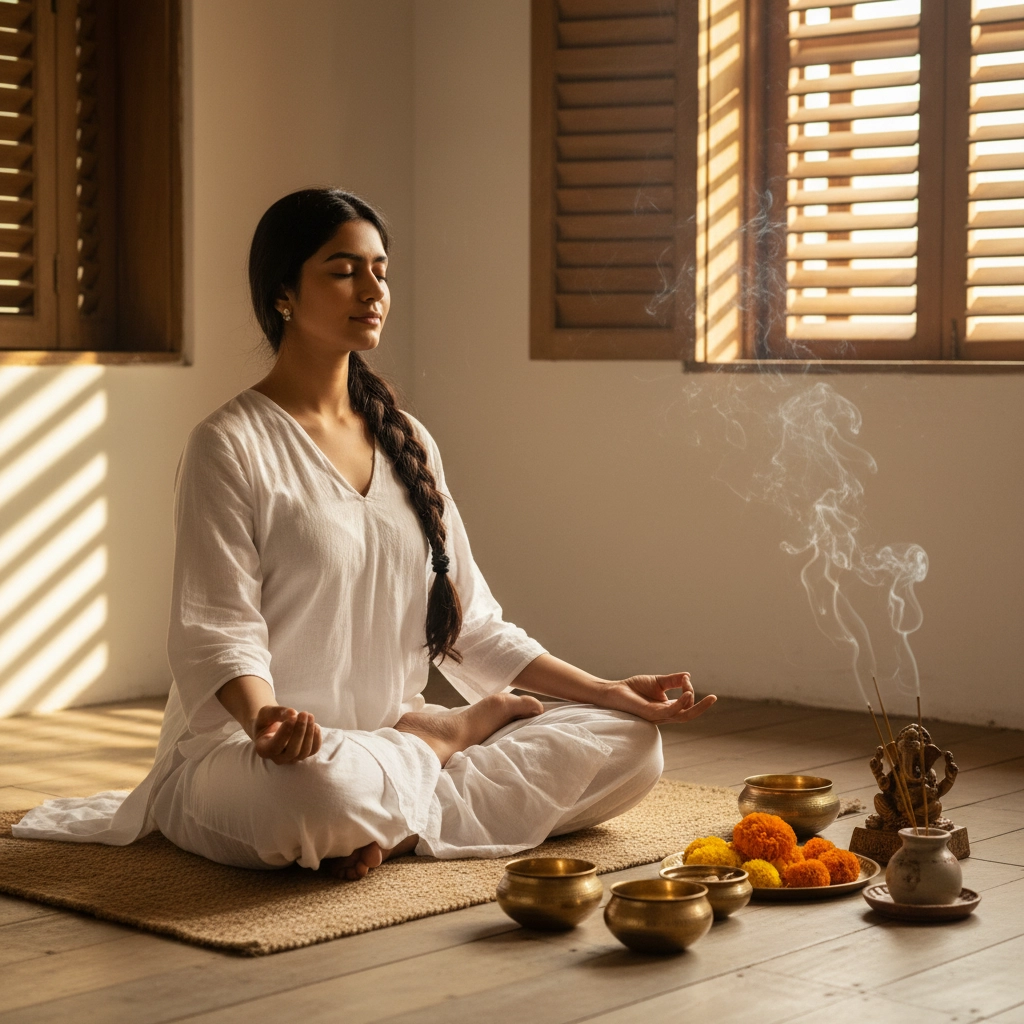
Start with simple breath awareness. Sit comfortably and observe your natural breath for 5-10 minutes daily. This isn't about controlling the breath initially: it's about developing sensitivity to this fundamental life force.
2. Mantra Recitation
Choose a traditional Sanskrit mantra like "Om Namah Shivaya" or "Om Gam Ganapataye Namaha." Repeat it 108 times using mala beads. The vibration and focus cultivate inner stillness.
3. Daily Puja (Worship Ritual)
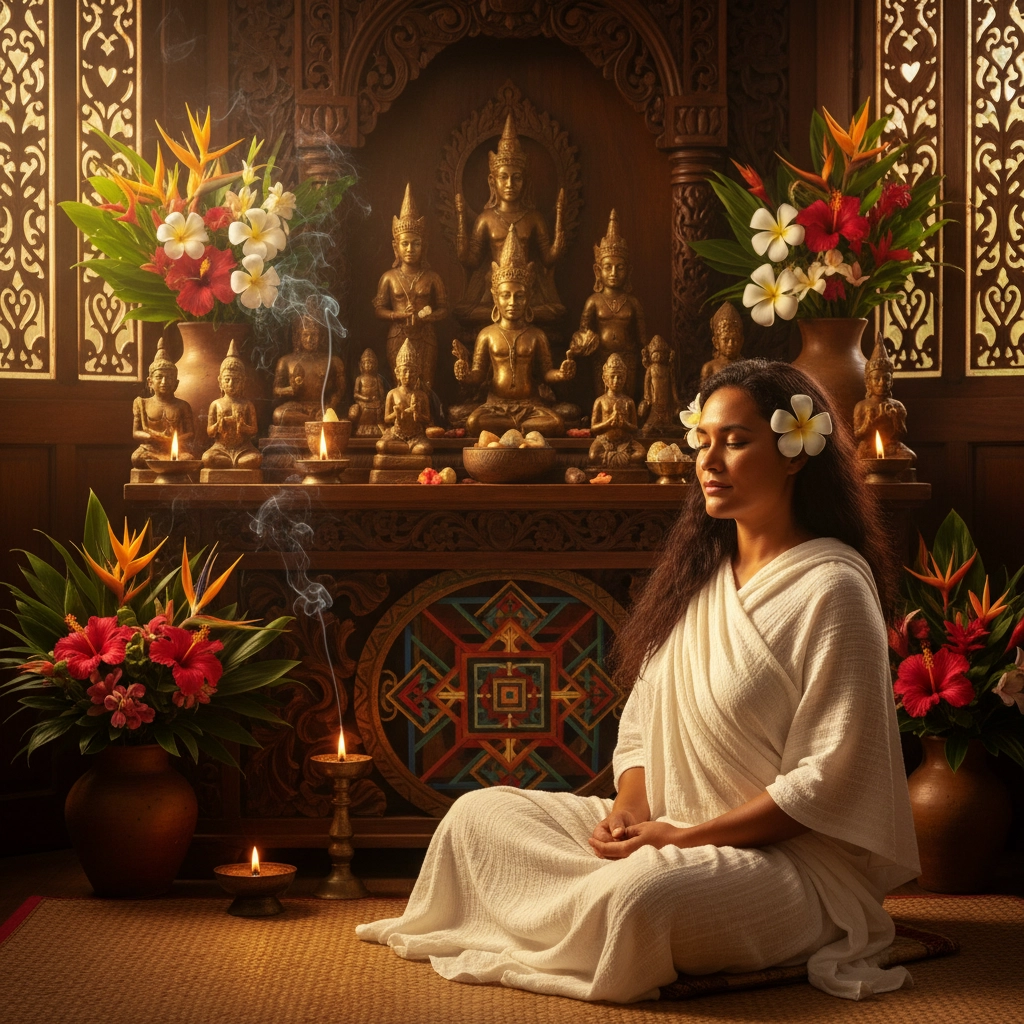
Create a simple altar with images of deities, flowers, incense, and a small oil lamp. Spend 15-20 minutes each morning offering gratitude and setting intention for your day.
4. Dharana (Concentration Practice)
Focus your attention on a single object: a candle flame, deity image, or yantra: for increasing periods. Start with 5 minutes and gradually extend the time.
5. Sanskrit Study
Learn basic Sanskrit terms and their meanings. Understanding the language helps you connect more authentically with the tradition rather than relying solely on translations.
Body and Energy Practices
6. Mudras (Sacred Hand Positions)
Practice simple mudras like Gyan Mudra (touching thumb to index finger) during meditation. These positions are said to direct energy flow in specific ways.
7. Nyasa (Sacred Touch)
Gently touch different parts of your body while reciting mantras, blessing and awakening your physical form as sacred. This practice reconnects you with your body as temple.
8. Asana (Sacred Postures)
Practice simple seated postures for meditation: not complex yoga flows, but stable, comfortable positions that support inner awareness.

9. Chakra Awareness
Study the traditional seven-chakra system, learning their Sanskrit names, locations, and associated qualities. Begin with simple visualization rather than trying to "open" or manipulate them.
10. Panchamahabhuta Practice
Work with the five elements (earth, water, fire, air, space) through visualization, breathwork, and contemplation. Each element corresponds to different aspects of consciousness.
Devotional Practices
11. Bhakti Sadhana (Devotional Practice)
Cultivate devotional feeling through chanting, prayer, or simply sitting with images of deities. This isn't about belief: it's about opening the heart.
12. Deity Visualization
Start with simple visualization of chosen deities. Rather than complex practices, begin by simply contemplating their qualities and what they represent.
13. Sacred Reading
Study traditional tantric texts like the Vijnanabhairava Tantra or Shiva Sutras. Even if you don't understand everything, exposure to the original teachings is valuable.
14. Guru Tattva Contemplation
Reflect on the principle of the teacher: not necessarily a human guru, but the teaching force that guides us toward understanding.
Ritual and Ceremonial Practices
15. Yantra Practice
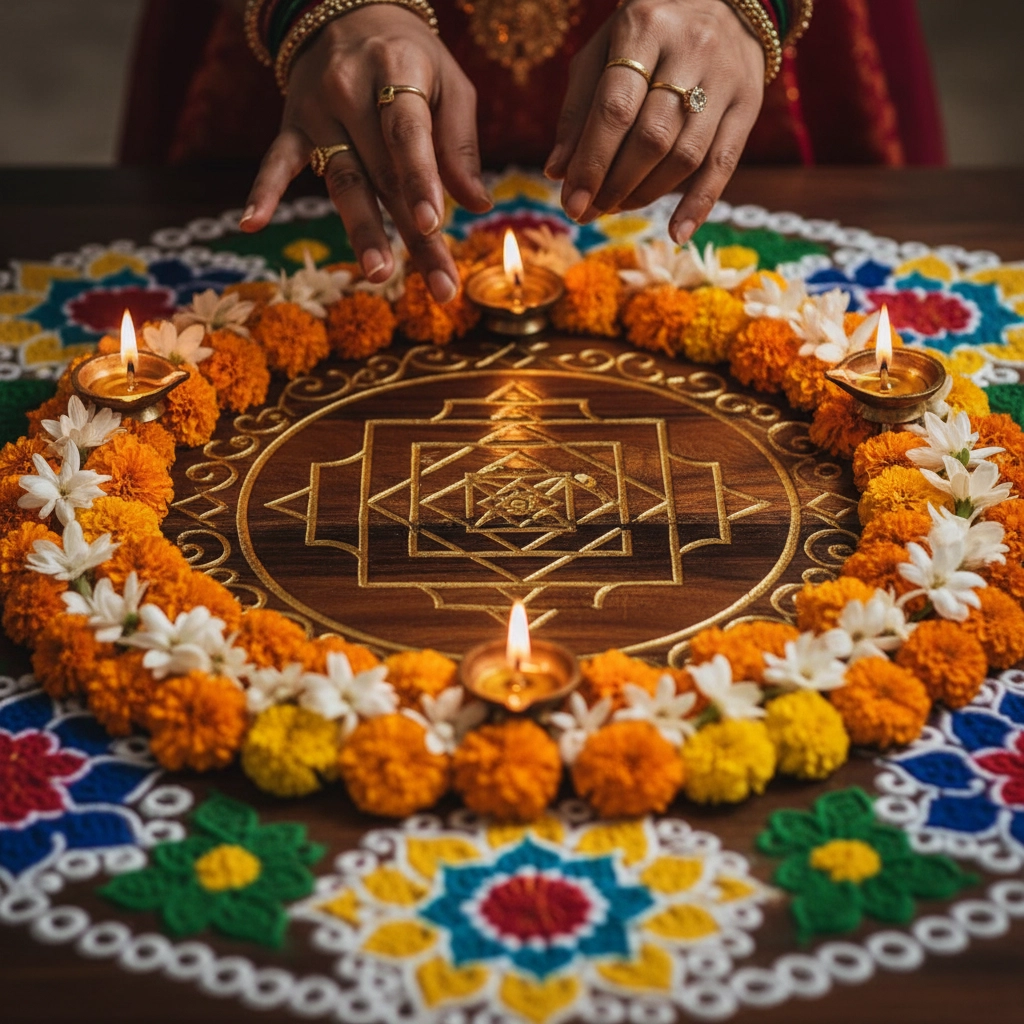
Draw or contemplate sacred geometric patterns called yantras. Start with simple designs like the Sri Yantra, using them as focal points for meditation.
16. Aarti (Light Offering)
Offer light to the divine through simple aarti ceremonies, moving a small flame in circular motions while chanting or maintaining inner focus.
17. Abhishekam (Sacred Bathing)
Ritually bathe deity images or sacred objects with water, milk, or honey while reciting mantras. This practice cultivates devotion and reverence.
18. Festival Observance
Honor traditional tantric festivals and holy days, learning about their significance and participating in community celebrations when possible.
Integration Practices
19. Svadhyaya (Self-Study)
Regular study of sacred texts, contemplation of spiritual principles, and honest self-reflection. This includes examining your motivations and attitudes toward practice.
20. Seva (Selfless Service)
Engage in service without expecting recognition or reward. Traditional tantra emphasizes that spiritual realization must include compassionate action.
Starting Your Practice
These practices aren't meant to be grabbed randomly or practiced all at once. Traditional tantra emphasizes gradual development under guidance. Here's how to begin respectfully:
Start Simple: Choose 2-3 practices that resonate with you. Consistency with a few practices is more valuable than sporadic attempts at many.
Find Authentic Sources: Seek out teachers who have studied in traditional lineages and understand the cultural context. Books by scholars like David Gordon White or practitioners like Christopher Wallis can provide authentic perspectives.
Cultivate Patience: Tantric transformation happens over years and decades, not weeks. Western culture's obsession with quick results goes against everything these traditions teach.
Maintain Reverence: Remember that these practices come from specific cultural and spiritual contexts. Approach them with the same respect you'd want for your own sacred traditions.
Study the Philosophy: Don't just do the practices: understand why they exist and what they're designed to accomplish. Tantra has sophisticated philosophical underpinnings worth exploring.
Moving Forward Respectfully
Decolonizing tantra isn't about rejecting everything Western practitioners have learned. It's about approaching this tradition with greater depth, respect, and authenticity. It means acknowledging that tantra is a living tradition with roots in specific cultures and communities.
As you explore these practices, remember that authentic tantra is ultimately about recognizing the sacred nature of all existence: including your own. It's not about special powers or peak experiences, but about the gradual transformation of consciousness that comes through dedicated, respectful practice.
The journey of authentic tantric practice is lifelong. These twenty traditional practices offer a genuine starting point for that journey, rooted in centuries of wisdom rather than modern marketing. Take your time, find good guidance, and approach with the reverence this profound tradition deserves.
Ready to begin? Start with one simple practice today, and remember: the most profound transformations often happen through the most basic, consistent efforts.

