

Have you ever noticed how certain memories live not in your thoughts, but in your body? That tightness in your chest when you walk into a crowded room, the way your breath catches when someone raises their voice, or how your shoulders seem to carry invisible weight? This is trauma speaking: not in words, but in the language of sensation, tension, and held energy.
While traditional talk therapy offers valuable insights into our past experiences, there's a growing understanding that some wounds require more than conversation to heal. When trauma becomes locked in our nervous system and embedded in our tissues, we need approaches that speak directly to the body's wisdom. This is where somatic tantra steps in, offering a gentle yet profound pathway to healing that honors both our physical experience and our deeper spiritual nature.
When Words Hit a Wall
Think of trauma like a song that gets stuck on repeat in your body's playlist. You can analyze the lyrics all you want, discuss the melody, even understand why it started playing in the first place: but the song keeps looping until you learn to change the station from within.
Traditional therapy excels at helping us understand our stories, recognize patterns, and develop coping strategies. But trauma doesn't always live in the rational mind where words can reach it. It settles into our muscle memory, our breathing patterns, and the way our nervous system responds to perceived threats. A racing heart doesn't slow down because we intellectually know we're safe now. Chronic tension doesn't release because we understand why it's there.

This is why many trauma survivors find themselves saying, "I understand what happened to me, but I still don't feel better." The understanding is crucial: it's just not the complete picture. Healing trauma requires engaging with the places where words can't go: the realm of sensation, breath, and embodied experience.
What Is Somatic Tantra?
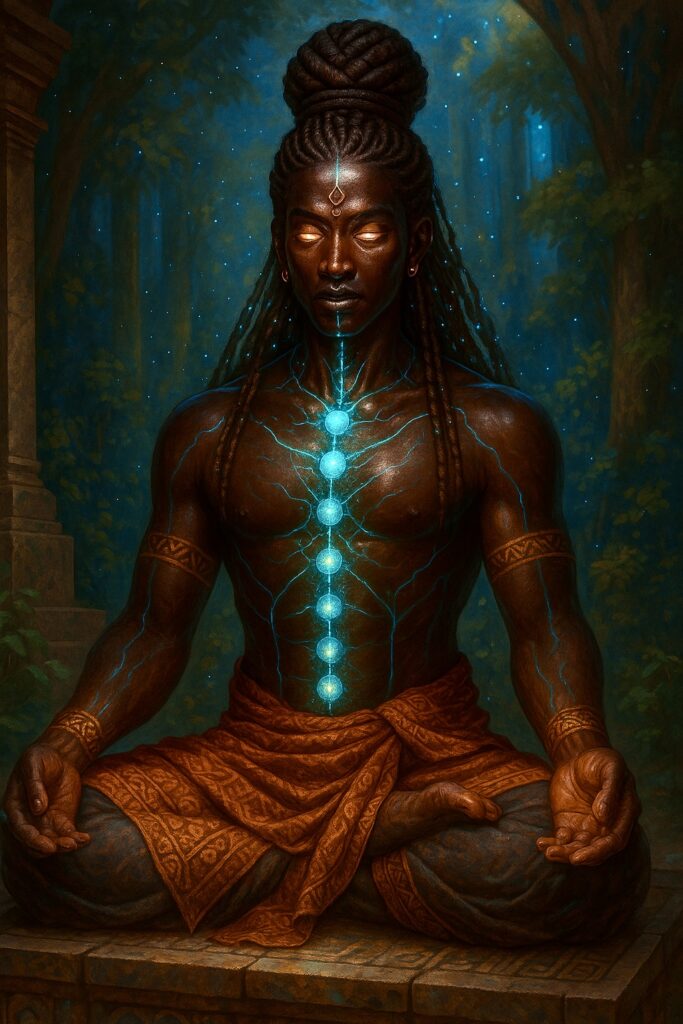
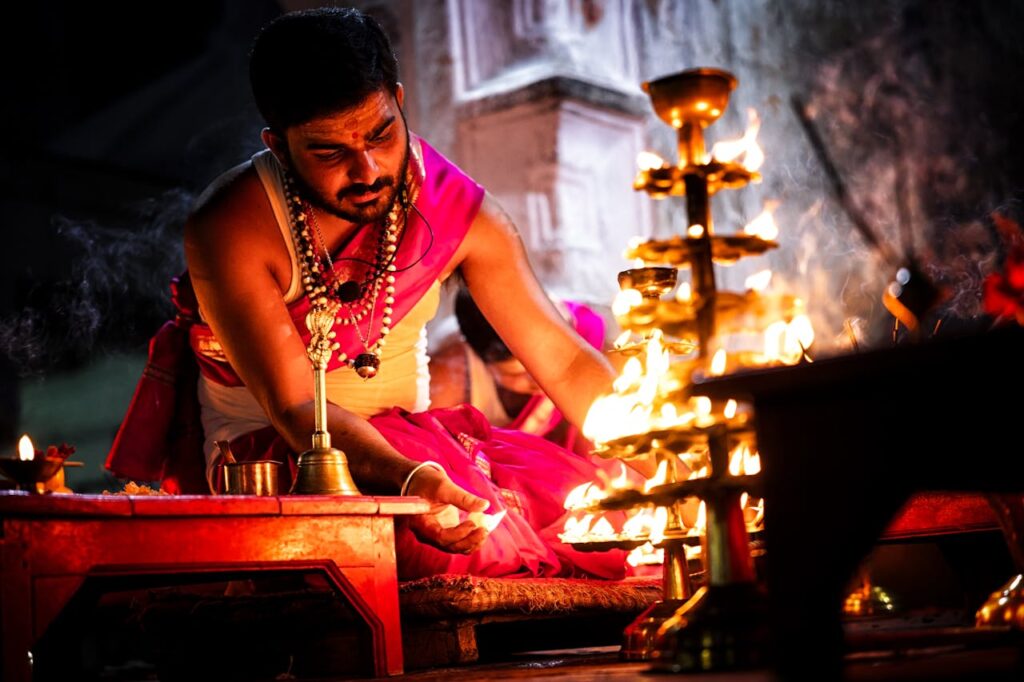
Imagine combining the body-wisdom of somatic therapy with the energy-awareness of tantric practice. Somatic tantra weaves these approaches together, creating a healing modality that honors both our physical experience and our energetic nature.
Somatic work teaches us to listen to our body's subtle communications: the way emotions express themselves through posture, how memories live in muscle tension, and how our nervous system signals safety or danger. Tantra, at its heart, is about conscious awareness and the flow of life force energy through our being. When combined, these practices offer a way to heal trauma that is both deeply practical and beautifully spiritual.
Rather than retelling painful stories, somatic tantra invites us to explore what those experiences left behind in our bodies. It's like learning to read the body's own language: understanding that a tight jaw might be holding back unexpressed anger, or that shallow breathing could be protecting us from feeling too much.
The Body's Memory Bank
Your body is remarkably intelligent, storing not just nutrients and oxygen, but experiences, emotions, and survival strategies. When something overwhelming happens, your nervous system does its best to protect you. Sometimes this means shutting down sensation, holding your breath, or tensing certain muscles. These responses are brilliant in the moment: they help you survive.
But what serves you during trauma can become a prison afterward. Your body continues to brace for danger even when the threat has passed. This isn't a weakness or a failure of willpower; it's simply how our nervous systems work. The same intelligence that protected you can learn to release and restore balance, but it needs the right conditions and approach.
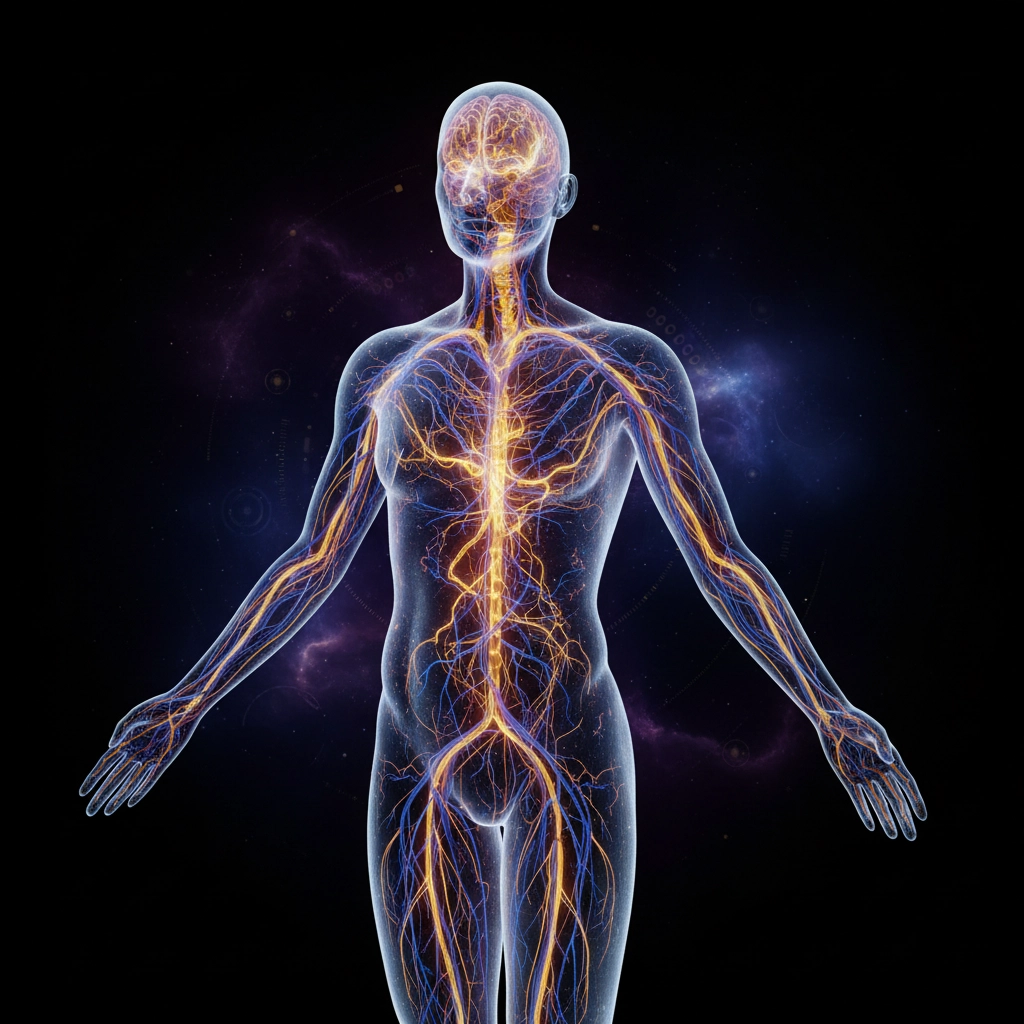
Think of trauma responses like smoke detectors that have become too sensitive. They go off at the slightest provocation: a certain tone of voice, a particular smell, or even a specific way someone moves: because they're still tuned to an old emergency. Somatic tantra helps recalibrate these internal alarms, teaching your body that it's safe to relax, breathe, and feel again.
The Gentle Path to Healing
Somatic tantra approaches healing like tending a garden rather than performing surgery. Instead of forcing or pushing through resistance, it creates conditions where natural healing can unfold. This means moving slowly, honoring boundaries, and trusting your body's own timing and wisdom.
The process often begins with simply learning to notice what you're feeling: not to change it, but to develop a curious, compassionate relationship with your internal experience. You might spend time focusing on your breath, not to fix it, but to become aware of its rhythm and quality. Or you might explore gentle movements, noticing how different positions or gestures affect your sense of ease or tension.
Safety is paramount in this work. For many trauma survivors, their bodies have become associated with danger, pain, or violation. Somatic tantra recognizes this and works carefully to help you reclaim your body as a source of wisdom, pleasure, and peace rather than threat. This happens through clear communication, respect for boundaries, and empowering you to remain in control of your healing process.
The Magic of Conscious Touch
In somatic tantra, touch becomes a bridge between isolation and connection, between past wounds and present healing. This isn't about pushing through discomfort or forcing intimacy, but about discovering how conscious, respectful touch can be profoundly healing.
Therapeutic touch in this context is like having a conversation with your nervous system in its own language. A gentle hand on your back might communicate safety in ways that words cannot. Mindful contact can help release muscle tension that's been held for years, or allow emotions to flow that have been trapped beneath the surface.

The beauty of incorporating tantric principles is the recognition that we are energetic beings. Beyond the physical body lies a subtle energy system that also holds the imprints of our experiences. Through conscious touch and energy awareness, it's possible to address blockages and restrictions that exist on multiple levels: physical, emotional, and energetic.
Of course, not everyone is ready for touch-based healing, and that's perfectly okay. Somatic tantra can also work through movement, breathwork, and energy practices that don't require physical contact with another person. The key is finding approaches that feel safe and resonant for your unique healing journey.
Reconnecting the Scattered Pieces
Trauma often leaves us feeling fragmented: disconnected from our bodies, our emotions, our relationships, and sometimes even our sense of purpose. One of the most beautiful aspects of somatic tantra is how it helps weave these scattered pieces back together.
As you develop a more intimate relationship with your body's sensations and energy, you often discover that healing happens in layers. You might notice that as physical tension releases, emotions begin to flow more freely. As your breathing deepens and slows, your mind becomes calmer and more present. As you feel safer in your own skin, your capacity for authentic connection with others naturally expands.
This isn't about perfection or eliminating all traces of past difficulty. It's about integration: learning to hold all of your experiences with compassion while no longer being controlled by them. You begin to inhabit your body as a place of wisdom rather than a source of pain, and this shift ripples out into every area of your life.
The Ripple Effects of Embodied Healing
When trauma healing moves beyond the realm of thoughts and stories into the body itself, the changes often surprise people with their depth and reach. Clients frequently report not just emotional relief, but improvements in sleep, digestion, energy levels, and overall vitality. This makes sense when you consider that trauma affects our entire being, not just our psychology.
Perhaps more significantly, many people discover a renewed capacity for joy, pleasure, and aliveness that they thought was lost forever. As the nervous system learns to relax its protective vigilance, there's more space for positive experiences to register and be savored. Life becomes less about managing symptoms and more about embracing fullness.
The journey isn't always linear or predictable. Some days you might feel incredibly open and alive; others might bring up waves of emotion or temporary increases in sensitivity. This is normal and part of the process. Your body is learning to feel again, and that includes the full spectrum of human experience.
Starting Your Own Journey
If you're curious about exploring somatic tantra for your own healing, remember that this work is deeply personal and there's no rush. Begin by simply developing a friendly relationship with your body's sensations. Try placing your hand on your heart and noticing what you feel there. Experiment with different breathing rhythms and observe how they affect your sense of ease or agitation.
Consider working with practitioners who understand trauma-informed approaches and can hold space for whatever arises in your healing process. Look for professionals who prioritize your agency and consent, who move at your pace, and who understand that healing happens in its own time.
Most importantly, trust yourself. Your body knows what it needs to heal: sometimes it just needs the right conditions and support to remember its own wisdom. Through the gentle, respectful practices of somatic tantra, you can begin to reclaim not just relief from trauma, but a deeper, more embodied way of being in the world.
Your healing journey is uniquely yours, and every small step toward greater awareness and self-compassion matters. In learning to speak your body's language and honor its wisdom, you open the door to transformation that words alone could never achieve.